Yogurt And Sour Cream Difference

Let’s be honest—there’s something deeply satisfying about understanding the little secrets of your kitchen. Knowing the difference between yogurt and sour cream isn’t just abo...
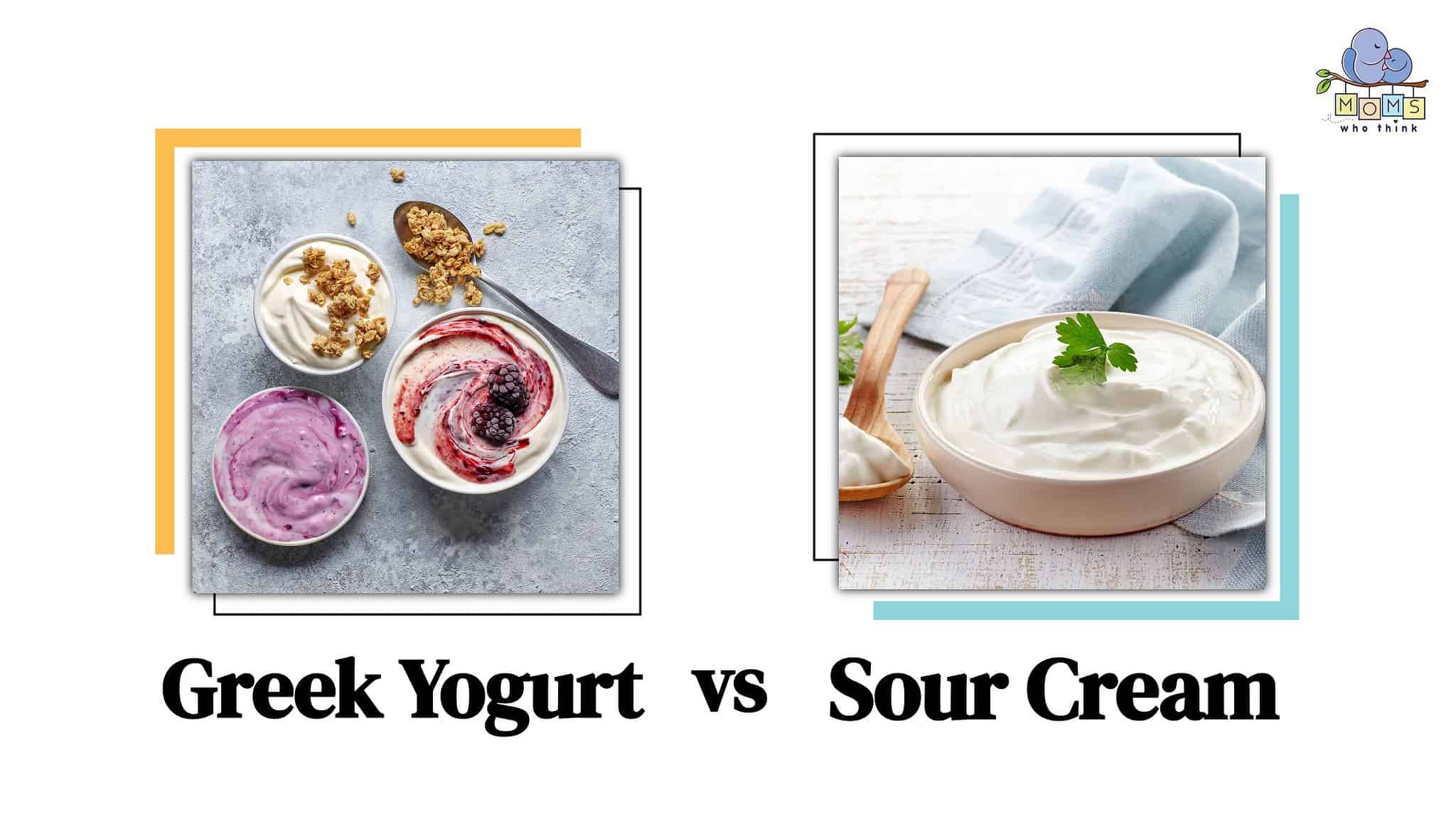
Let’s be honest—there’s something deeply satisfying about understanding the little secrets of your kitchen. Knowing the difference between yogurt and sour cream isn’t just about culinary bragging rights; it’s about unlocking a world of creamy possibilities that make everyday meals feel a bit more special. Whether you’re a home cook looking to avoid a last-minute grocery run, a health-conscious eater tracking your macros, or just someone who loves a good dollop on a baked potato, this distinction is both practical and fun. It’s the kind of knowledge that turns a simple recipe into a confident creation.
At their heart, both yogurt and sour cream are fermented dairy products, but the process is where they part ways. Yogurt is made by fermenting milk with live bacteria, typically Lactobacillus bulgaricus and Streptococcus thermophilus, which gives it that tangy, slightly tart flavor and a thick, spoonable texture. Sour cream, on the other hand, starts with cream and is fermented with a different set of bacteria (like Lactococcus lactis), resulting in a richer, more velvety finish with a sharper sour note. Think of yogurt as the versatile athlete of the fridge—leaner, protein-packed, and adaptable—while sour cream is the indulgent artist, adding richness and depth without much fanfare.
The biggest practical difference you’ll notice is fat content. Full-fat yogurt hovers around 3–5% milk fat, while sour cream typically clocks in at 18–20%. That extra fat is why sour cream is so good at stabilizing sauces and preventing curdling in hot dishes—think stroganoff or a creamy dip. Yogurt, especially Greek yogurt, can be a lower-fat hero, but it can break or separate if heated too quickly. This is why you’ll often see yogurt in breakfast bowls, smoothies, and cold dressings, while sour cream dominates in baked potatoes, nachos, and as the binding agent in fluffy cakes like coffee cake.
Must Read
Here’s where it gets playful: can you swap them? Yes, but with a pinch of know-how. If a recipe calls for sour cream for moisture and tenderness (like in a quick bread), plain yogurt works fine—just add a tablespoon of butter or oil to mimic that fat content. For dips and spreads, Greek yogurt is a brilliant swap for sour cream, especially if you add a squeeze of lemon juice to sharpen the tang. On the flip side, if you’re out of yogurt for a marinade, sour cream can step in, though it’s richer, so ease up on any extra fats in the recipe. The key is to match the function: yogurt for protein and lightness, sour cream for richness and stability.
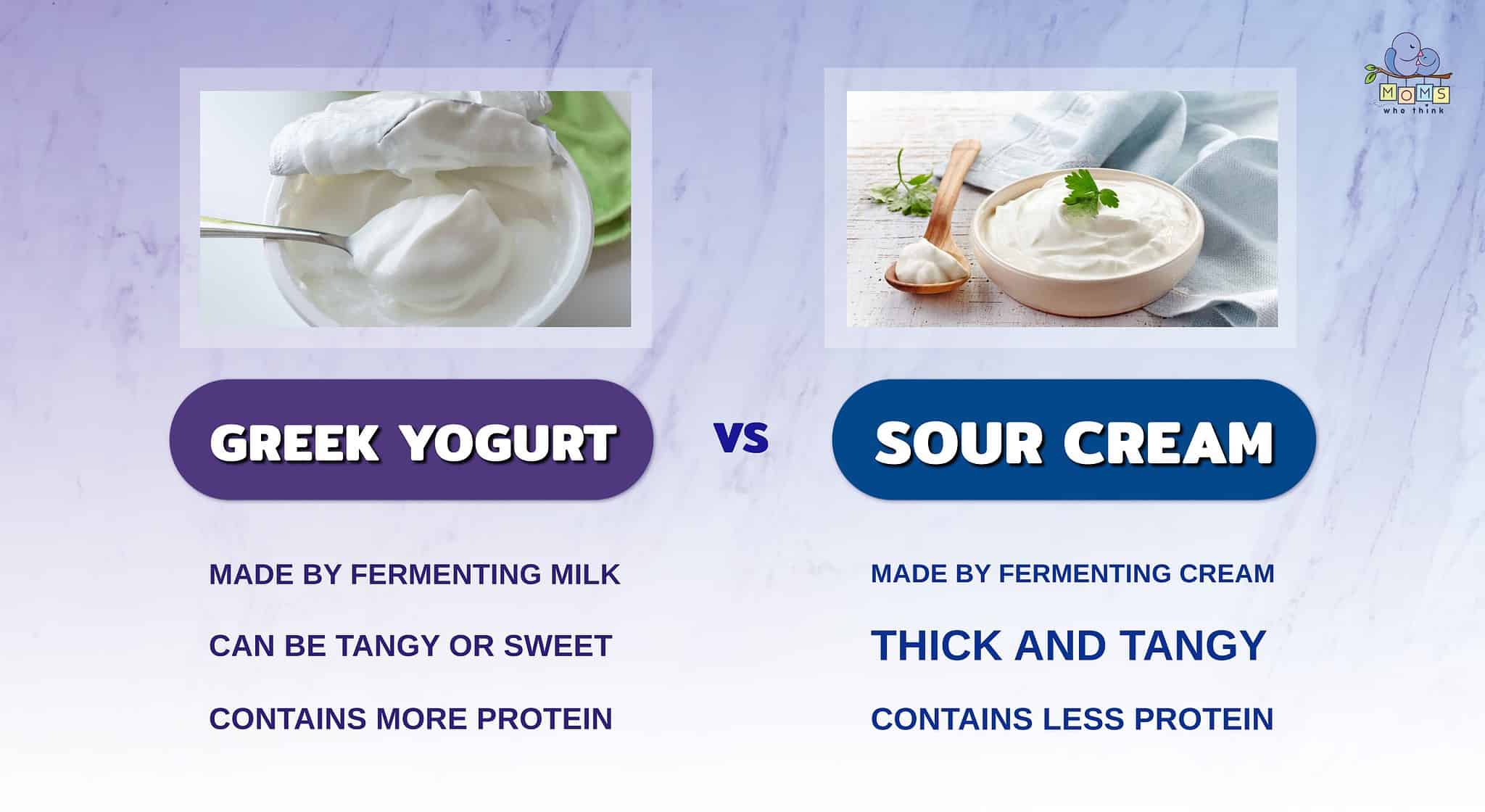 Greek Yogurt vs. Sour Cream: Which is Healthier and How Do They Compare?
For the adventurous eater, variations abound. Labneh (strained yogurt) has a cream-cheese-like density perfect for spreading on flatbread, while creme fraiche—a European cousin of sour cream—is less tangy and holds up beautifully to high heat without curdling. You’ll also find non-dairy versions made from coconut, cashew, or oat bases, which behave differently but still bring that signature tang. A personal favorite? A dollop of full-fat Greek yogurt on chili with a sprinkle of smoked paprika: it’s creamy, tangy, and saves you a trip to the store for sour cream every time.
Getting the most out of both is simple. First, always buy plain versions unless a recipe calls for flavored—this gives you control over sweetness and salt. Second, store them upside-down in the fridge (yes, really): the vacuum seal helps them last longer. Finally, use yogurt for cold or low-heat applications—like tzatziki, parfaits, or overnight oats—and trust sour cream for warm, stable environments—like stroganoff, queso, or a rich mashed potato topping. Once you start noticing the difference, you’ll see it everywhere: from the breakfast table to the taco bar, and your cooking will feel just a little bit more effortless, and a whole lot more delicious.

