Will Cooking Kill E Coli

E. coli: The Kitchen Party Crasher So, you're in the middle of whipping up a storm in the kitchen, dancing around like Gordon Ramsay's long-lost twin, when suddenly, you hear...
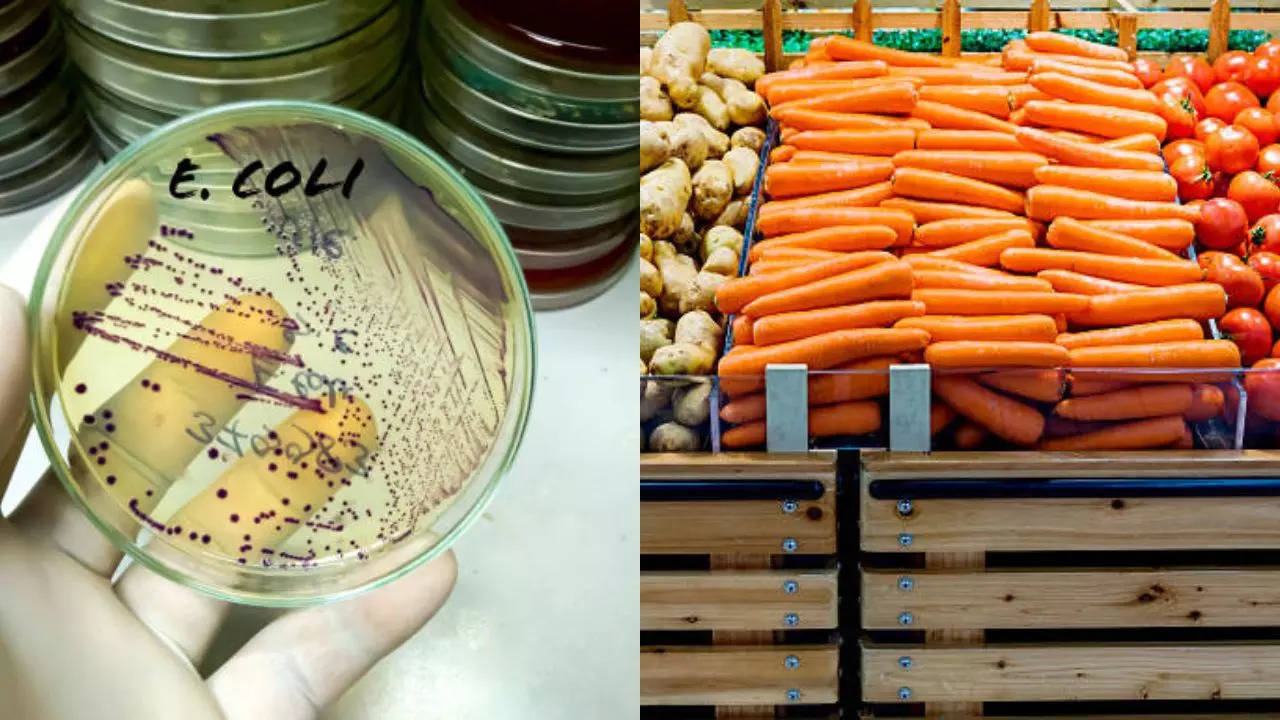
E. coli: The Kitchen Party Crasher
So, you're in the middle of whipping up a storm in the kitchen, dancing around like Gordon Ramsay's long-lost twin, when suddenly, you hear a little voice in the back of your head whispering, "But what about E. coli?"
First things first, let's get one thing straight. E. coli isn't some sneaky little ninja that's going to leap out of your fridge and karate chop your dinner. It's a type of bacteria that lives in our intestines, and most strains are harmless. But there are a few party crashers that can cause some serious trouble.
Meet the Uninvited Guests
These bad boys can sneak into your food through contaminated water, raw or undercooked meat, unpasteurized dairy, or even those cute little bags of spinach you picked up at the farmers market. They're not exactly the life of the party, and they can make you pretty sick with symptoms like diarrhea, cramps, and vomiting.
Must Read
But here's the thing, you don't have to live in fear of these kitchen crashers. With a little know-how and some good old-fashioned elbow grease, you can send them packing before they even have a chance to RSVP.
Cooking: The Bouncer of the Kitchen
Think of cooking as the bouncer of the kitchen. It's firm but fair, and it knows how to handle trouble when it shows up. Here's how it works:
Heat is E. coli's kryptonite. Cook your food to the right temperature, and you'll kill off any unwanted guests. For ground beef, that's 160°F (71°C), and for poultry, it's 165°F (74°C). Think of it like a game of Simon Says. If Simon doesn't say "eat," then don't. Simple as that.
Now, I know what you're thinking. "But what about those fancy raw dishes I've been seeing on Instagram?" Well, my friend, that's a risk you're taking. And while I'm all for living on the edge, when it comes to E. coli, it's better to be safe than sorry. After all, nobody wants to spend their night off dancing with the porcelain god.
Cleanliness is Next to Godliness
You know what else helps keep the party crashers at bay? Good hygiene. Wash your hands, clean your counters, and don't cross-contaminate. It's like having a really thorough bouncer who checks everyone at the door and makes sure they don't bring in any unwanted substances.
And remember, just because something looks clean, doesn't mean it is. E. coli is sneaky like that. So, give your cutting boards, knives, and hands a good scrub before you start cooking. Think of it as the kitchen's version of a metal detector. You never know what you might find.
The Art of the Reheat
Now, I know what you're thinking. "But what about leftovers? I can't possibly eat all this amazing food I've made." Well, fear not, my culinary comrade. The art of the reheat is here to save the day.
 Will Cooking Kill E. coli?
When it comes to leftovers, the golden rule is to reheat them until they're steaming hot. That means you should be able to hold your hand on the plate for about 10 seconds without feeling like you've just touched a hot stove. If you can do that, then you're good to go.
But remember, not all leftovers are created equal. Some things, like creamy pasta salads, are just asking for trouble. So, use your best judgment, and when in doubt, throw it out.
The Great Produce Debate
Now, let's talk about produce. I know, I know, it's a touchy subject. But hear me out.
Washing your fruits and veggies is a great first step, but it's not foolproof. Some produce, like those cute little bags of spinach, have nooks and crannies where E. coli can hide out. So, while washing is important, it's not a guarantee.
Some people say you should soak your produce in a solution of water and vinegar or bleach. Others say that's overkill. The truth is, there's no one-size-fits-all answer. But if you're really worried, a quick soak never hurt anyone.
The Moral of the Story
So, there you have it. E. coli isn't the boogeyman, but it's not something you want to mess around with either. With a little know-how and some good old-fashioned kitchen hygiene, you can keep your food safe and your belly happy.
And remember, if you're ever in doubt, it's always better to err on the side of caution. After all, nobody wants to spend their night off dancing with the porcelain god. Trust me, I've been there. It's not as fun as it sounds.
Now, go forth and cook with confidence. Your kitchen awaits.
