Will A 9mm Kill A Grizzly Bear

For many outdoor enthusiasts, the call of the wild is irresistible. Hiking through pristine alpine meadows, fishing in crystal-clear rivers, and camping under vast, starry ski...
For many outdoor enthusiasts, the call of the wild is irresistible. Hiking through pristine alpine meadows, fishing in crystal-clear rivers, and camping under vast, starry skies offer a profound sense of freedom and connection to nature. This deep appreciation for the wilderness, however, comes with a sobering responsibility: understanding and respecting the powerful creatures that inhabit it. Among the most majestic and formidable of these is the grizzly bear, an animal that commands both awe and caution. This article explores a critical question for backcountry travelers: will a 9mm kill a grizzly bear, and what does this mean for your personal safety planning?
The primary purpose of carrying any firearm in bear country is self-defense against an imminent, aggressive attack. The benefits of being prepared extend beyond mere survival; they provide the confidence to explore remote areas with a greater sense of security. When you know your tools and their limitations, you can make more rational decisions under pressure. A 9mm pistol is a popular choice for many because it is lightweight, easy to carry on long treks, and allows for relatively quick follow-up shots. However, its role in grizzly defense is a subject of intense debate among guides, biologists, and experienced hunters.
To understand the effectiveness of a 9mm against a grizzly, consider a realistic scenario. Imagine you are hiking alone on a narrow trail in Montana. You round a bend and surprise a sow with two cubs at 15 yards. She charges. Your 9mm is in your chest holster. A perfect shot placement with a high-quality, penetrating bullet (like a hard-cast lead or a specialized defense round) might stop the attack if it strikes the brain or a major spinal column. However, a grizzly’s thick hide, heavy muscle, and massive skull are designed to absorb punishment. A standard 9mm hollow point, which works well on humans, risks not penetrating deeply enough to reach a vital organ, often just enraging the bear instead of stopping it.
Must Read
Statistics and professional consensus consistently highlight a key fact: a 9mm is a marginal choice for grizzly defense. Most experts, including the Alaska Department of Fish and Game and experienced bear guides, recommend a minimum of a 10mm Auto or a .44 Magnum revolver for reliable stopping power. These calibers fire heavier bullets with significantly more energy and penetration. While a 9mm can kill a grizzly under ideal conditions—such as a perfect brain shot at very close range from a stationary animal—those conditions are exceedingly rare in a charging bear attack. Relying on a 9mm for such a task is akin to using a small fire extinguisher on a chemical fire; it may work in theory, but the margin for error is dangerously thin.
Beyond the caliber debate, the most important factor is shot placement under extreme stress. A charging grizzly can cover 30 yards in under two seconds. In that blinding moment of adrenaline, aiming for a tiny target like the eye or a specific vertebra becomes almost impossible. The 9mm’s limited energy means you cannot afford a single miss or non-vital hit. Furthermore, a grizzly’s thick layer of fat and muscle can deflect a bullet, especially a lighter one. This is why bear spray is often cited as a more effective first line of defense; it creates a cloud of irritant that relies on the bear’s sensory system rather than your marksmanship. In many documented cases, bear spray has stopped aggressive bears without the risk of a fatal wound to the animal.
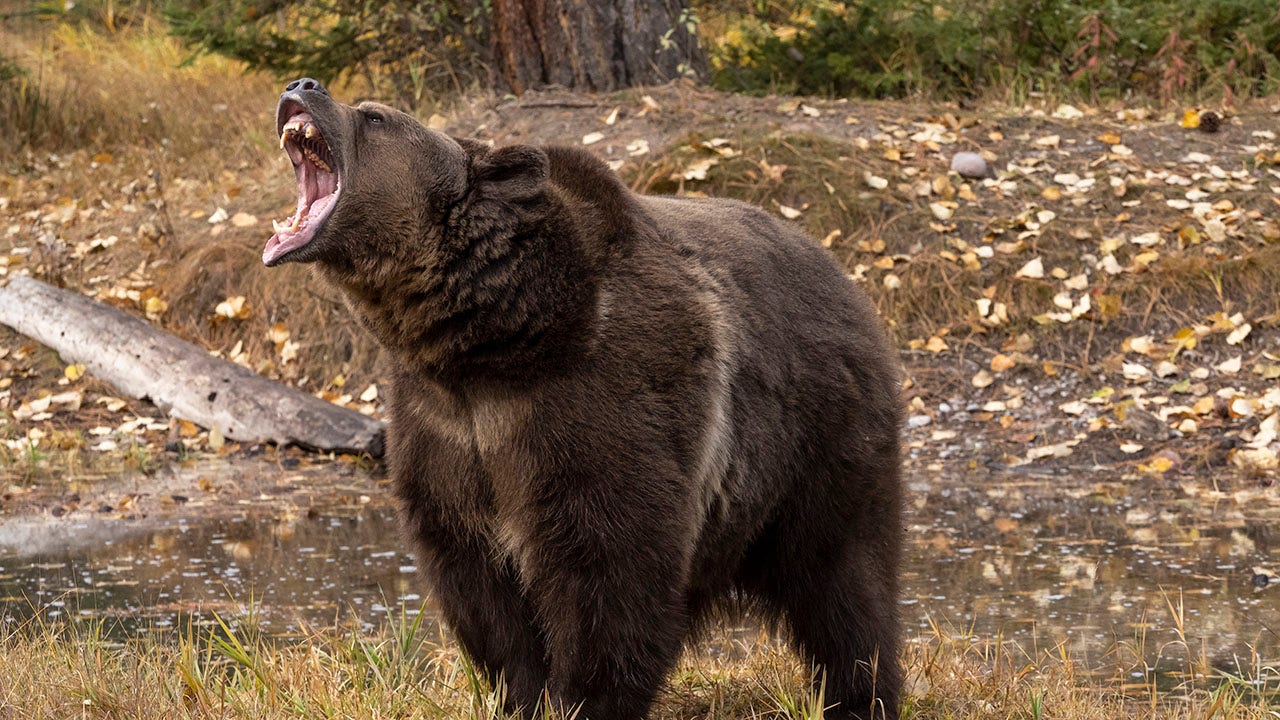 Couple survives grizzly attack by using bear spray | Fox News
For those who still choose to carry a 9mm, there are critical tips for responsible use. First, always use hard-cast, deep-penetrating ammunition designed specifically for large game, not hollow points. Second, practice shooting quickly and accurately under simulated stress; static range training is not enough. Third, carry a backup, non-lethal deterrent like bear spray, and understand that your 9mm is a tool of last resort. Fourth, learn bear behavior: avoid surprising bears, make noise on the trail, and store food properly. Your best defense is avoidance. Finally, invest in a quality chest holster that keeps the firearm accessible but secure, as a split-second draw can determine the outcome.
In conclusion, the answer to “will a 9mm kill a grizzly bear?” is complex: it can, but it is a gamble with high stakes. The real value in this knowledge lies in making an informed choice about your safety ecosystem. For the everyday adventurer, understanding the limitations of your gear—whether it be a firearm, bear spray, or your own reaction time—empowers you to enjoy the wilderness more fully. Embrace the awe-inspiring experience of grizzly country, but do so with humility and a robust, multi-layered approach to safety that respects the power and resilience of these incredible animals.