Why Was Tony Stark So Thin In Endgame

There’s a moment in Avengers: Endgame that quietly breaks the hearts of Marvel fans everywhere: Tony Stark, the invincible Iron Man, sits gaunt and hollow-eyed, his suit of ar...

There’s a moment in Avengers: Endgame that quietly breaks the hearts of Marvel fans everywhere: Tony Stark, the invincible Iron Man, sits gaunt and hollow-eyed, his suit of armor replaced by a simple thermal blanket. We marveled at his genius and his sacrifice, but first, we asked a surprisingly human question—why was our favorite billionaire so thin? The answer isn’t just a plot point; it’s a masterclass in how a superhero story can mirror real-life struggles, reminding us that even the strongest among us are fragile. This detail enriches the narrative, turning a cosmic saga into a deeply personal one.
The primary purpose of Tony’s physical deterioration is to show the visceral, undeniable cost of survival. After drifting in space for 22 days on the Benatar, with meager food and water while his supplies ran out, his body began to cannibalize itself. In real life, this is called cachexia—a state where the body, starved of fuel, burns muscle for energy. Tony’s thinness isn’t an aesthetic choice; it’s a biological truth. It reminds us that heroism often comes with a price: the loss of one’s own strength. For viewers, this is a benefit—it grounds the fantastic in the real, making Tony’s later sacrifice feel earned, not magical.
Consider a scenario from everyday life: a loved one returns from a long hospital stay or a grueling journey. They look different—thinner, tired. You don’t just see the physical change; you feel the weight of what they endured. Tony’s emaciated frame serves the same purpose. Director Joe Russo explained that they deliberately used a weight loss suit and makeup to show his body had “shrunk” from the inside out. This wasn’t about vanity; it was about authenticity. When Tony later says, “I lost the kid,” his physical state echoes that emotional hollowing—he is literally diminished because of his failure to save Peter Parker and his near-death experience.
Must Read
Beyond the story, Tony’s thinness offers a practical lesson in resilience. For those who have faced trauma, illness, or burnout, seeing a character struggle with physical frailty can be oddly affirming. It says: even a genius with infinite resources can be broken down to his core. The key purpose here is empathy. In a world that often pressures us to appear invincible, Tony’s visible vulnerability becomes a permission slip to acknowledge our own limits. It’s a reminder that recovery is not linear, and that strength isn’t about never falling—it’s about how you rebuild, even when your frame is fragile.
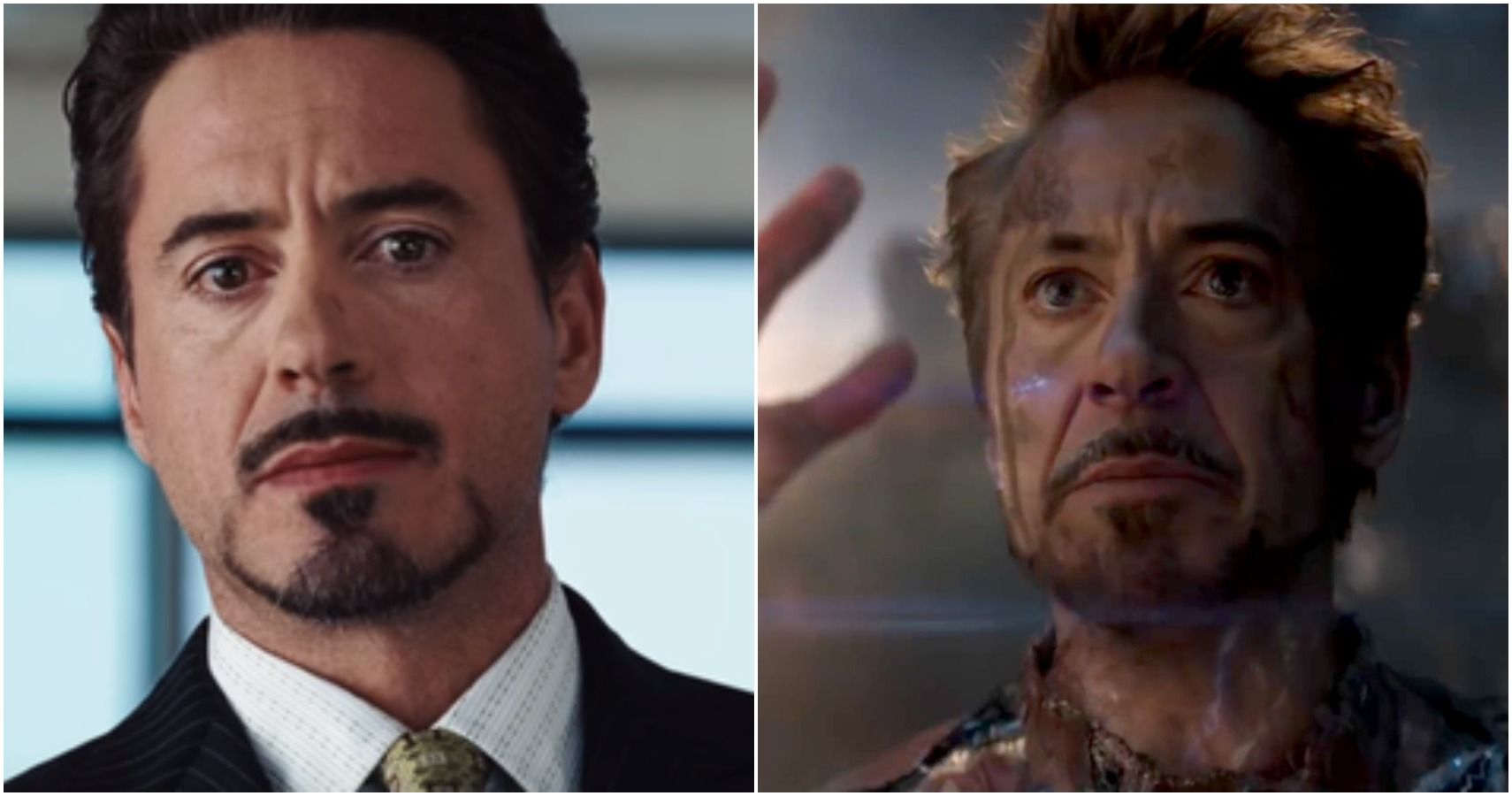 MCU: 10 Ways Tony Stark Changed Between Iron Man 1 & Endgame
For readers who want to explore this concept in their own lives, start by noticing the stories your own body tells. When you feel tired or look in the mirror and see a version of yourself worn down by stress or a busy season, resist the urge to criticize. Instead, ask: what has my body carried recently? Like Tony’s, your thinness or fatigue may be a map of a journey. Keep a simple “body journal” for a week—jot down moments when you feel physical fatigue, hunger, or tightness. Notice how these sensations connect to events (a long workweek, a tough conversation). This builds self-awareness, the first step toward self-compassion.
Another tip: watch scenes with intention. When you revisit Endgame, pay attention to Tony’s body language in his first scene back on Earth. He doesn’t leap off the ship—he stumbles. He doesn’t hug Pepper—he falls into her. Directors Robert Downey Jr. and the Russo brothers used subtle moments, like the way he holds a cup of tea (with both hands, trembling slightly), to amplify the story of his thinness. Challenge yourself to notice these details in movies or even in life: the way a friend’s shape changes after a difficult move, or how your own shoulders feel lighter after a weekend of rest. Physical form is a narrative, and reading it deepens your connection to yourself and others.
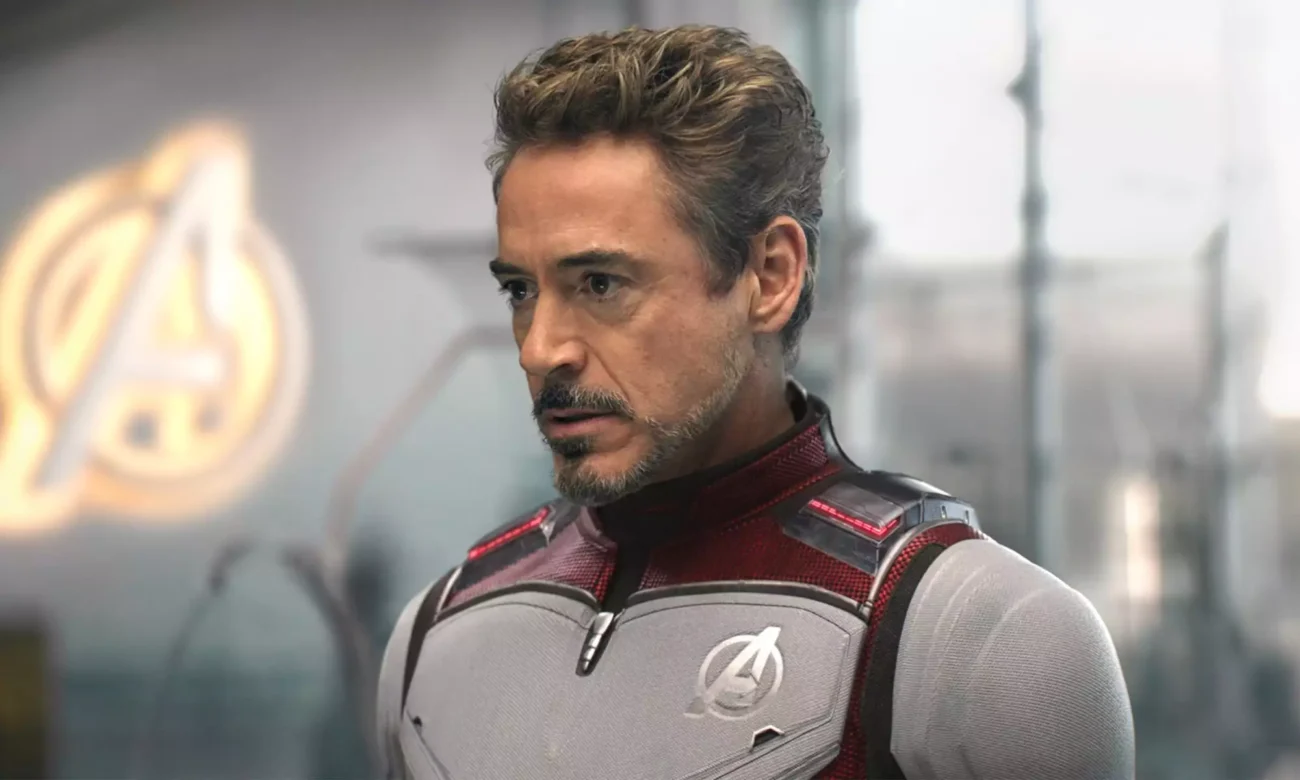 How Old Is Tony Stark in Each MCU Movie?
Finally, apply the principle of “carrying weight” metaphorically. Tony’s thinness is also about what he carried inside—guilt, responsibility, the loss of half the universe. If you feel “worn thin” by your own burdens, try this simple exercise: list three things you’re holding that aren’t yours to carry (pressure to be perfect, someone else’s problems). Write them down, then physically crumple the paper. The act isn’t magic, but it’s a start. Like Tony, you may never fully shed the weight of your story, but you can choose how it reshapes you—not into something fragile, but into something forged through survival.
In the end, Tony Stark’s thinness is a quiet triumph of storytelling. It reminds us that Endgame isn’t just about snapping fingers or time travel—it’s about the cost of love, the price of hope, and the simple truth that real strength often comes in a worn, thin frame that still rises. So the next time you see someone who looks a little less than their usual self, remember Tony. Don’t look away. See the journey. And maybe, let your own unpolished edges be seen, too.
