Why Is Onigiri Not Refrigerated

Onigiri, those perfect little rice triangles wrapped in seaweed, are a staple of Japanese convenience stores and home kitchens, but you’ll rarely find them in a fridge. While...
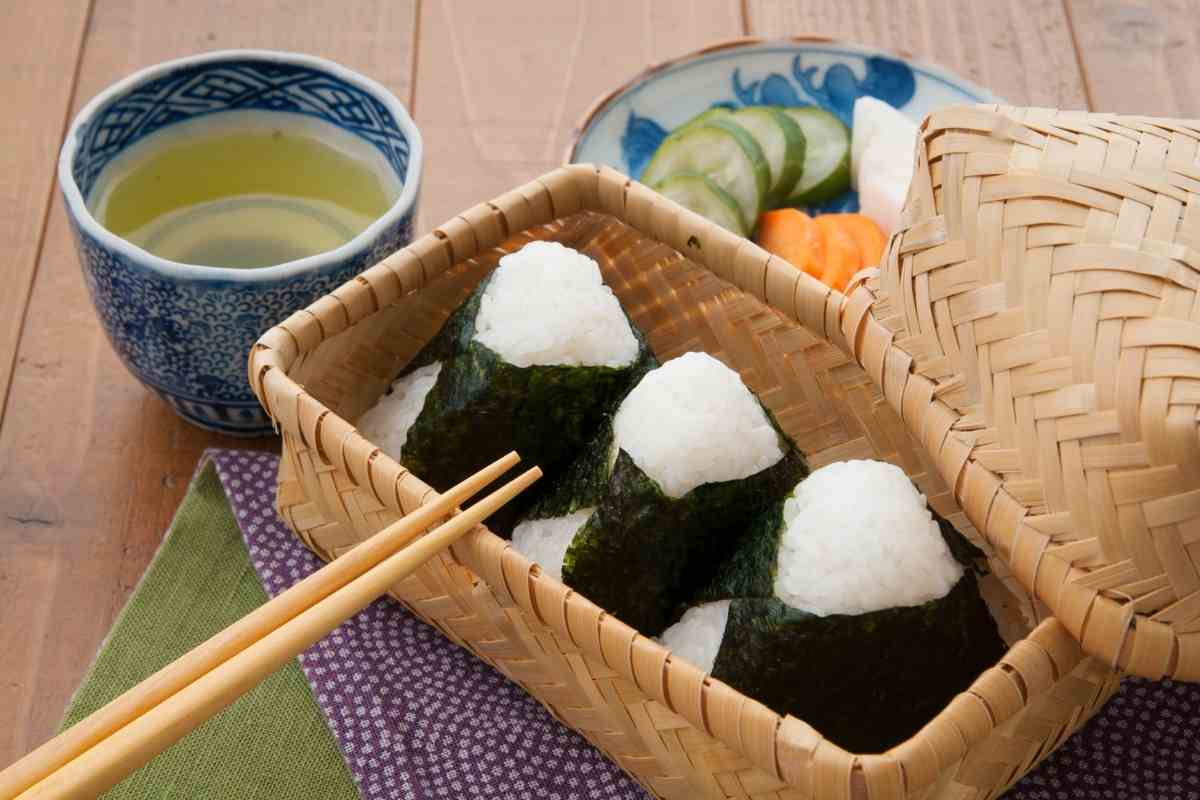
Onigiri, those perfect little rice triangles wrapped in seaweed, are a staple of Japanese convenience stores and home kitchens, but you’ll rarely find them in a fridge. While it might seem odd to skip refrigeration for cooked rice, this tradition is actually rooted in practicality and taste. For busy individuals, families, and even communities, understanding why onigiri stays fresh at room temperature can save you from dry, hard rice and soggy seaweed, making your lunch or snack much more enjoyable.
The real reason onigiri isn’t refrigerated comes down to rice chemistry. When cooked, rice starch gelatinizes, and refrigerating it speeds up a process called retrogradation, where the starch molecules recrystallize. That’s what turns fluffy rice into a rock-hard, dry grain. By keeping onigiri at room temperature, you preserve its soft, moist texture and the umami balance of the filling. For a family making a bento box, this means your salmon or plum onigiri will taste just as good at lunchtime as it did when it came off the stove.
For individuals always on the go, this storage trick is a game-changer. Imagine you’re hiking in the mountains or heading to a picnic without access to a cooler. A refrigerated onigiri would be unpleasantly dense and cold in the center, but a room-temperature one stays fluffy and flavorful for four to six hours. Example: In Japan, commuters buy onigiri from convenience stores at 8 AM and it’s perfect for a noon break. This flexibility lets you pack a meal without worrying about spoilage or reheating.
Must Read
Communities also benefit from this tradition. At festivals, school fairs, or small neighborhood gatherings, onigiri is the best finger food. Because it doesn’t need a fridge, volunteers can prepare hundreds ahead of time, set them out in baskets, and serve them safely for hours. Another example: In coastal towns, fishermen often pack onigiri for long trips; the rice stays edible and the nori stays crisp, providing nourishing, portable energy without refrigeration equipment.
To apply this at home, follow a few practical suggestions. First, use short-grain Japanese rice for its natural stickiness and starch content, which resists drying at room temperature. Second, fill with acidic or salty ingredients like umeboshi plum, salted salmon, or pickled vegetables—these act as natural preservatives. Third, wrap each onigiri in plastic wrap or a damp paper towel inside a container; this keeps moisture in and prevents the nori from getting chewy too fast. Never leave it out longer than six hours in warm climates, but for a typical workday, it’s perfectly safe and delicious.
 Can You Freeze Onigiri? And Is It Really Healthy? – YouGoJapan
Remember that onigiri’s room-temperature status is about more than convenience—it’s about honoring the food’s integrity. Unlike bread or cheese, rice is very sensitive to cold, and cooling it ruins the very texture that makes onigiri so satisfying. By understanding this, you respect the craft of traditional Japanese cooking and reduce food waste, because your onigiri won’t end up in the trash due to being too hard to eat.
Ultimately, the question “Why is onigiri not refrigerated?” has a simple, positive answer: it’s better this way. Whether you’re a busy student, a parent making lunch, or a community volunteer, skipping the fridge means you get softer, tastier, and more portable rice. So next time you make or buy onigiri, leave it on the counter, not the cold shelf. Your taste buds—and your schedule—will thank you.