Why Is New Orleans Called The Big Easy

There’s a magnetism to New Orleans that draws people in, a feeling that life here moves to a different, slower rhythm. It’s a place where you can sip a coffee at a sidewalk ca...
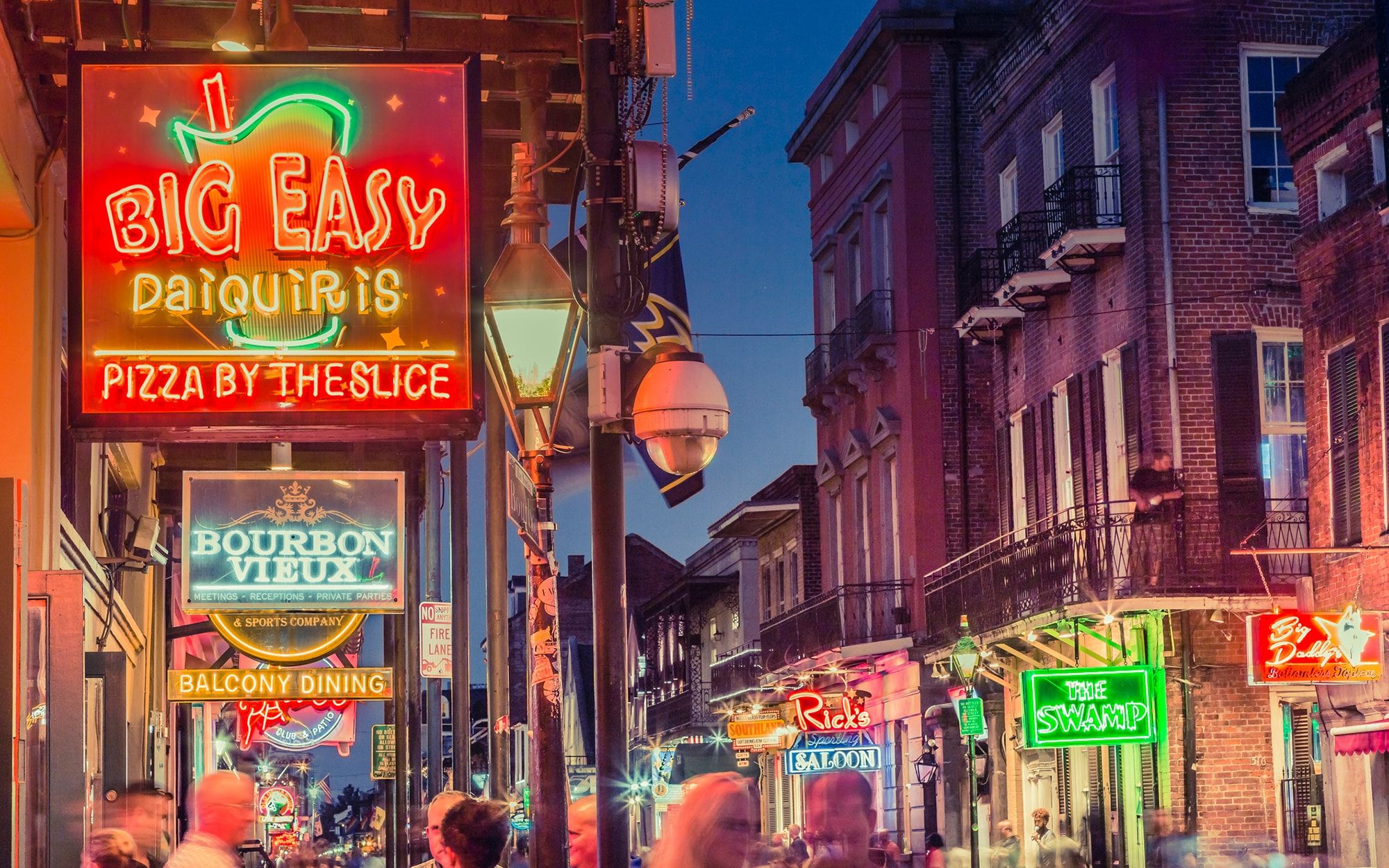
There’s a magnetism to New Orleans that draws people in, a feeling that life here moves to a different, slower rhythm. It’s a place where you can sip a coffee at a sidewalk café in the French Quarter without a care for the time, where a spontaneous jazz band can turn a street corner into a party, and where the biggest struggle of the day might be deciding between gumbo and jambalaya. This palpable sense of ease, of life being lived on its own unhurried terms, is exactly what gives the city its famous nickname: The Big Easy. This isn’t just a slogan; it’s a philosophy—a shared understanding that daily life should be savored, not rushed.
The nickname’s origin, however, is a layered story. The most widely accepted theory traces it back to the late 1960s, when a local columnist named Betty Guillaud overheard a bartender comparing New Orleans to New York. The bartender quipped that New Orleans was “the Big Easy”—a place where the pace of life was genuinely easier. The name stuck, capturing the city’s relaxed social atmosphere and its acceptance of a more laid-back approach to work, play, and community. Unlike the relentless hustle of other major American cities, New Orleans encourages you to stop, listen to the music, and embrace the moment. This core purpose—to prioritize enjoyment over efficiency—is its greatest gift to everyday life.
This emphasis on ease offers tangible benefits for residents and visitors alike. Imagine your typical workday stress melting away as you hear a second-line parade pass by your office window, prompting a spontaneous dance break. Or consider the simple joy of a laissez les bons temps rouler (let the good times roll) attitude at a neighborhood block party, where strangers become friends over crawfish and cold beer. The benefit here is emotional resilience; this culture reduces anxiety by reminding people that connection and celebration are just as important as deadlines. In everyday life, this means fewer rushed errands, more conversation, and a built-in permission to enjoy the small pleasures of a sunny day or a shared meal.
Must Read
Of course, such a lifestyle is most apparent during the city’s famous festivals, from Mardi Gras to the Jazz & Heritage Festival. But the “Big Easy” ethos isn’t confined to major events. Consider a typical Tuesday night in a neighborhood like the Marigny: you might find a local bar hosting a free brass band show, with patrons of all ages dancing on a tiny, wood-floored stage. Or see a family selling homemade pralines from their front porch, not for profit, but because it’s a tradition. These everyday scenarios illustrate that the “easy” is not about laziness—it’s about a conscious choice to prioritize community, creativity, and simple pleasures over the rigid demands of a 9-to-5 grind.
This nickname also reflects a unique cultural flexibility that handles life’s challenges with grace—and a bit of humor. When a sudden downpour floods a street, residents don’t panic; they simply pull out umbrellas or duck into a doorway to continue their conversation. When a neighborhood restaurant runs out of a popular dish, the staff might offer a sincere apology and a recommendation for the even better alternative next door. This adaptability is a core benefit for daily life: it fosters an environment where mistakes are met with patience, where plans change without drama, and where the ultimate goal is to ensure everyone still has a good experience, even when things don’t go perfectly.
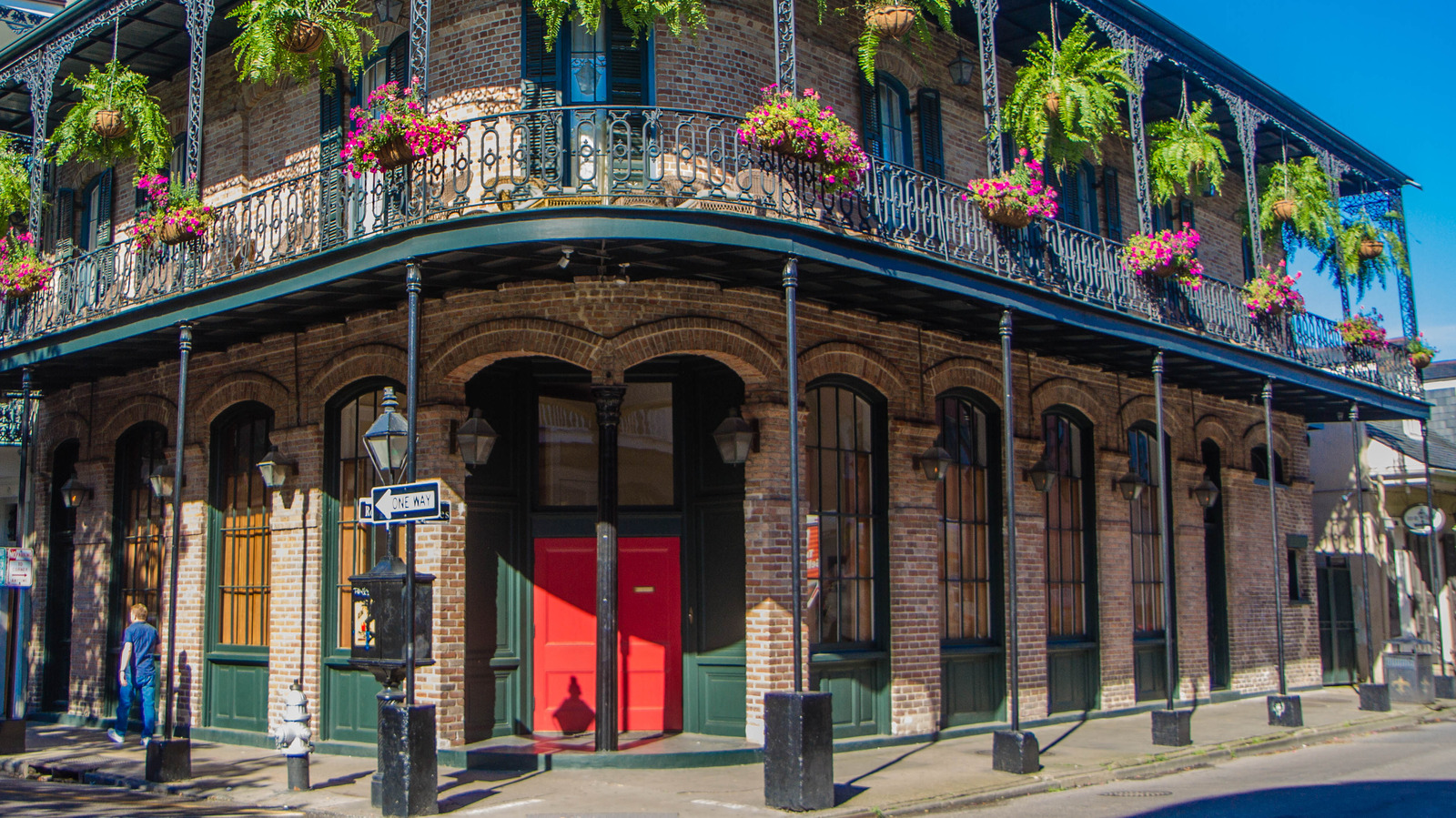 Why Is New Orleans Called Big Easy | Detroit Chinatown
If you want to explore the “Big Easy” spirit on your own, start with a few simple tips. First, get off Bourbon Street. Head to Frenchmen Street for live music where locals actually go. Second, embrace the art of doing nothing. Sit on a bench in Jackson Square for twenty minutes and just watch the painters, the tarot card readers, and the pigeons. Third, say “yes” to a spontaneous invitation. If a stranger invites you to a backyard barbecue or a second-line parade, accept. This openness is the very heart of the nickname. And fourth, always order the special at a local corner store—you might discover a po-boy that changes your understanding of lunch.
Ultimately, “The Big Easy” is not just a catchy moniker; it is a living, breathing invitation. It reminds us that a city can be defined not by its skyscrapers or its stock market, but by its ability to make its people feel welcome, unhurried, and connected. It is a promise that life can be full, joyful, and beautifully uncomplicated. In a world that often demands more speed, New Orleans offers a gift of pause. So next time you hear the name, think less of a place and more of a mindset—a reminder that taking it easy might just be the smartest, most rewarding way to live.
