Why Is Nebraska Called The Cornhuskers

Ever wonder why the University of Nebraska’s athletic teams are called the Cornhuskers? It’s a name that sounds less like a sports mascot and more like a job description for a...
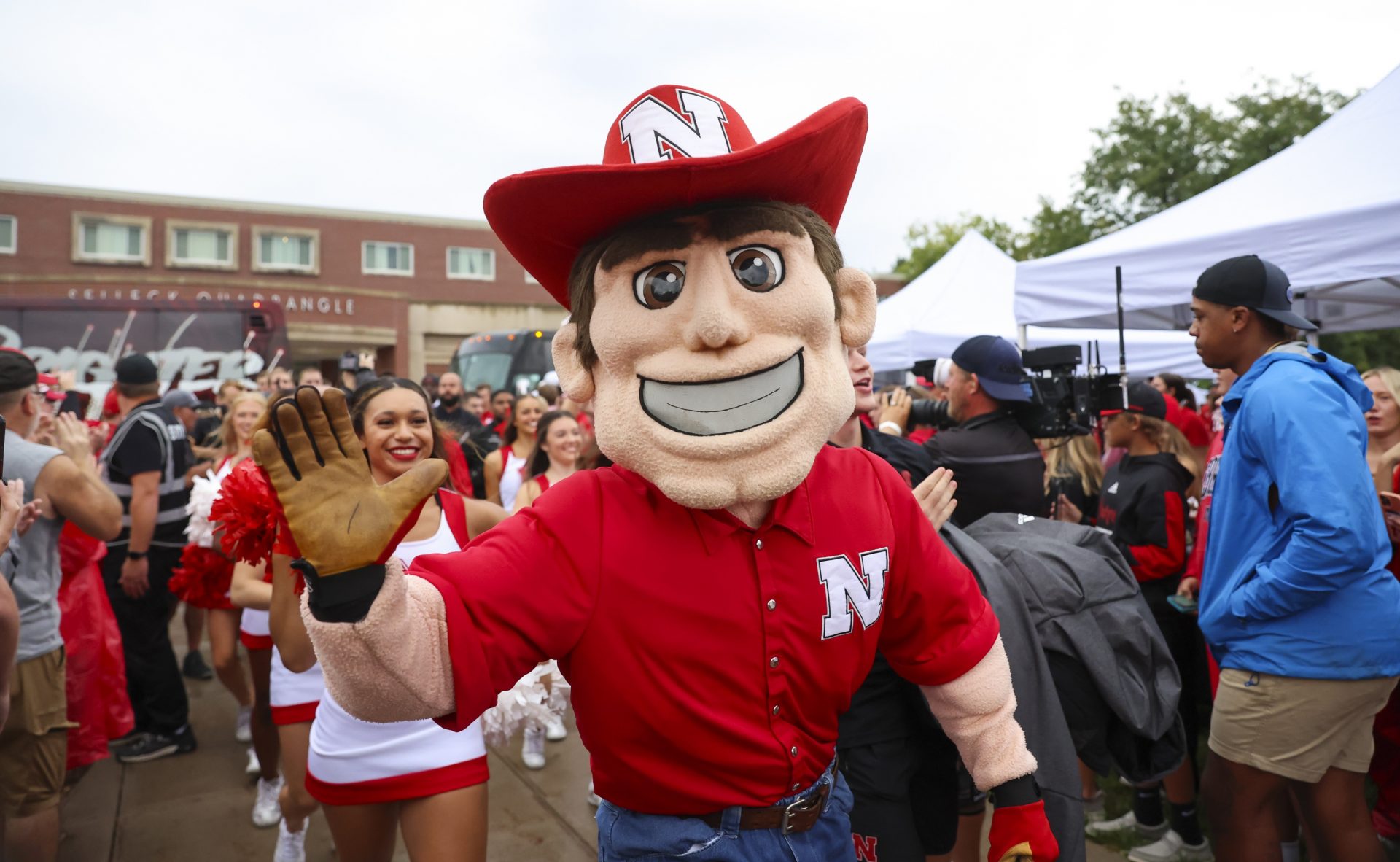
Ever wonder why the University of Nebraska’s athletic teams are called the Cornhuskers? It’s a name that sounds less like a sports mascot and more like a job description for a nineteenth-century farmer. But that’s exactly what makes it so brilliant and fun. This nickname isn’t just a random choice; it’s a living piece of history that connects the state’s gritty agricultural past to its proud sporting present. By digging into this story, you’ll not only win any Nebraska trivia night, but you’ll also understand how a simple tool—a husking peg—became a symbol of relentless hard work and identity. Stick around, and by the end of this article, you’ll be able to explain why the name is a perfect fit, and maybe even drop a few husking facts at your next tailgate party.
First, let’s clear up a common myth: Nebraska was not always the Cornhuskers. In fact, the university’s teams were originally called the Bugeaters. Yes, you read that right—named after a local bird that feasted on bugs and, some say, the resilient farmers who “bugged out” during hard times. That name, while colorful, didn’t exactly scream championship material. So in 1899, after a thrilling 18–6 victory over the University of Iowa, a sports editor named Cy Sherman (who later founded the Associated Press college football poll) wrote a story calling Nebraska the “Cornhuskers.” The name stuck because it captured something authentic: the backbreaking labor of husking corn by hand, a task that required speed, strength, and sun-up-to-sundown grit. It was a nickname born from the soil, not a marketing board.
The pivot from Bugeaters to Cornhuskers is a perfect example of how a team identity can evolve. Imagine the scene in the late 1890s: Nebraska was still a young state, and its economy revolved around corn. Husking corn was a communal, competitive event. Families would gather, and the fastest husker could clear an acre in a single day using a simple metal peg strapped to their palm. The act of husking—ripping off the green leaves, snapping the ear, and tossing it into a wagon—was a dance of efficiency. By adopting this name, Nebraska’s athletes were saying, “We work as hard as our farmers.” It’s a powerful brand: you don’t get points for style, but you earn them for relentless, sweaty effort. The name also gave birth to the now-iconic “Husker Power” chant, which has more to do with a strong back than a fancy playbook.
Must Read
But the story gets even more creative when you look at the symbolism in modern sports. Think about the Nebraska football team’s famous “Corn Husker” helmet decal—a simple red letter “N” with a husk of corn in the center. That design isn’t just decoration; it graduates from the old husking pegs to a tactical emblem of precision. Coaches use it to remind players that, like a farmer spotting the perfect ear, a husker must identify the right moment to strike. A 2023 team meeting reportedly used a video of an old-fashioned husking competition to teach blocking technique: “See how he grabs the shuck? That’s your hand placement on the offensive line.” It’s a bridge between rural heritage and athletic science. For fans, the mascot even inspired a tradition: during home games, fans wave plastic corncobs in the stands, creating a sea of gold that looks like a field ready for harvest.
Want to experience the Cornhusker legacy yourself? Here’s a practical tip: try husking an ear of corn the old-fashioned way before you cook it. You’ll understand immediately why the name fits. First, grip the top of the husk with one hand and the bottom of the ear with the other. Use a sharp, quick pull downward, just like a running back breaking a tackle. If you do it right, the silk and husk come off in one motion. Now, imagine doing that for ten thousand ears in a single day under a hot Nebraska sun. That’s the work ethic that the mascot celebrates. To deepen your appreciation, visit the Nebraska State Historical Society online or in person in Lincoln; they have an original husking peg from the 1890s on display. You can even buy a replica at the university bookstore to wear as a symbol of your own hard-working spirit.
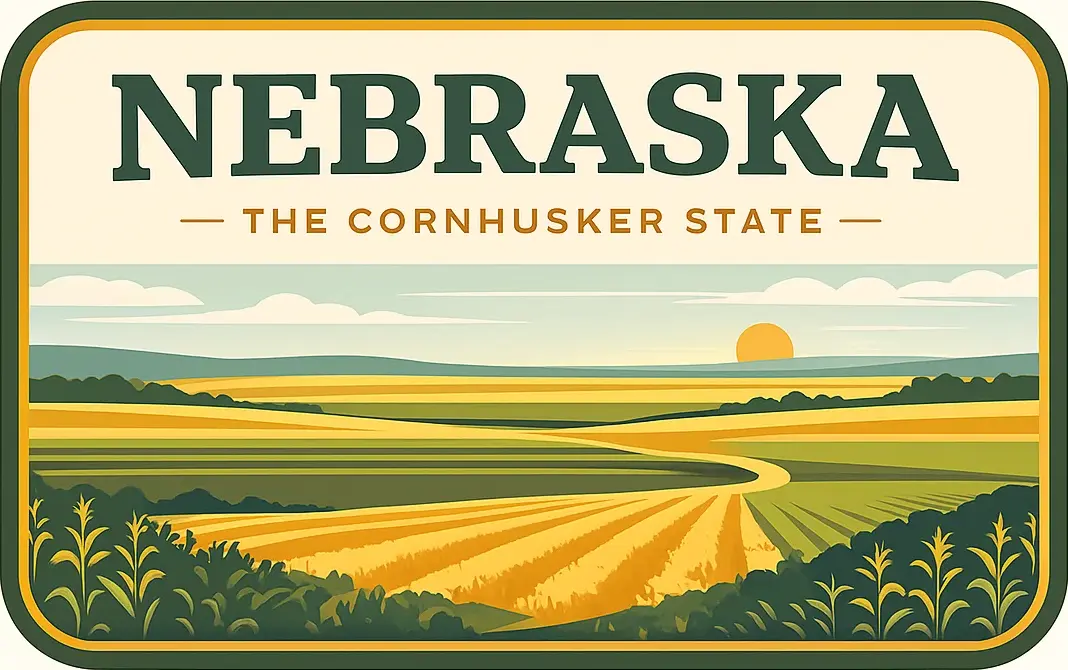 Nebraska State Nickname: The Cornhusker State
Another fun way to connect is by hosting a “Cornhusker Party” for the next Nebraska game. Set out a bowl of raw corn in the husk and have guests compete to see who can shuck the fastest. The winner gets to call themselves “Head Husker” for the quarter. You can also serve cornhusk tamales (a nod to the name’s versatility) and play audio of old-time husking calls used by pioneer teams—rythmic yells like “Husker! Husker! Snap and shuck!” that evolved into today’s stadium cheers. It transforms a static history lesson into an active, noisy, and delicious tradition. You’ll be surprised how quickly people bond when they’re collectively battling tangled husks and flying silk, all while cheering for a team that shares their communal struggle.
In the end, the name “Cornhuskers” is about identity and survival. It reminds us that even in a high-tech, glitzy sports world, there is immense power in embracing where you came from. Nebraska’s athletes don’t just play football; they carry the weight of a state’s agricultural soul. Every time a defensive lineman drives forward, he’s channeling the farmer who drove his plow across the same soil. Every touchdown celebration echoes the joy of a full harvest. So the next time you hear the crowd roar “Go Big Red!”, remember they are really shouting, “Go on, husk that victory!” It’s a name that turns a chore into a chant, and a state into a family. Now, go ahead and grab an ear of corn—you’ve got some husking to do.
