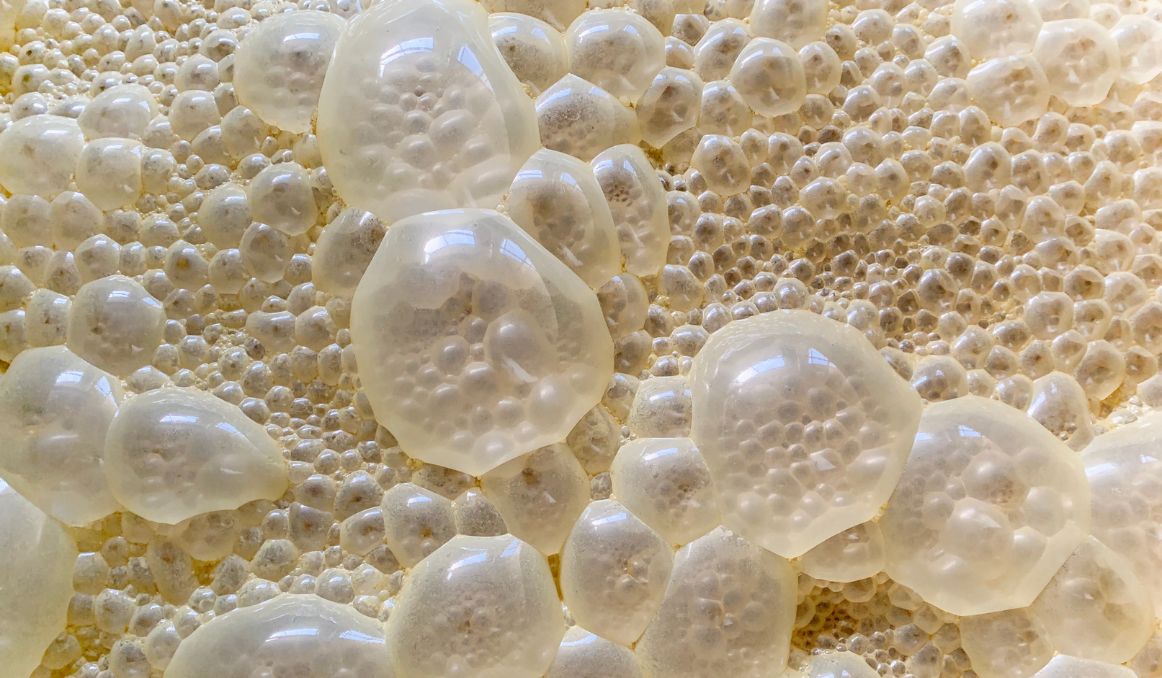
Why Is My Yeast Taking So Long To Foam

So, you followed the recipe perfectly. You sprinkled that little packet of yeast into your mixing bowl, added the warm water, maybe even a pinch of sugar just like the interne...

So, you followed the recipe perfectly. You sprinkled that little packet of yeast into your mixing bowl, added the warm water, maybe even a pinch of sugar just like the internet told you to do. And then… you waited. And waited. And wa-ited. And that foam? Nowhere to be found. Sound familiar? Welcome to the most nerve-wracking three minutes of any home baker's life.
First things first — and please don't panic — yeast needs the right conditions to wake up. Think of it like this: your yeast is basically a tiny, lazy roommate who won't move unless the room temperature is juuuust right. So what could be going wrong?
Is your water too hot? This is the number one culprit, my friend. If you're using water that feels uncomfortably warm — like scalding-bath-level warm — you've basically committed a crime against your yeast. Water above 130°F (54°C) will kill the yeast outright. It's like tossing a poor sleeping creature into a bonfire. Your yeast is toast. Yeah, I went there. The ideal temp is around 100°F to 110°F (38°C to 43°C) — warm but not aggressive. When in doubt, just dip a pinky in. If it feels like a comfy summer breeze, you're golden.
Must Read
Is your water too cold? On the flip side, if the water is ice-cold, your yeast may just be sitting there, snoozing, totally unbothered. Yeast is a living thing, and warm temperatures signal it to start feeding and multiplying. Cold water doesn't give it that wake-up call, so it's basically hitting the snooze button for the tenth time on a Monday morning.
Did you add sugar? Yeast is a little sugar addict. Without a food source like sugar, honey, or the natural sugars in flour, it has zero motivation to start producing CO2 bubbles. So if your recipe doesn't include a small sweetener to feed the yeast during its proofing stage, don't be surprised when it gives you absolutely nothing to show for its efforts.
 Can You Eat Expired Spam or Past the Best by Date? - KitchenBun.com
Is your yeast expired? Oh, the heartbreak. That little packet may have been sitting in the back of your cupboard since 2019 — a relic from a simpler time — but expired yeast just won't perform. Always check the date, and if you're using yeast that's been open for a while, try activating a small amount first before committing your entire batch of dough to fate.
Are you using the right kind? Active dry yeast needs to be dissolved in warm water before use. Instant yeast, on the other hand, can go straight into your dry ingredients. If you accidentally swapped one for the other, your foaming process might look very different than expected. It's the baking world's version of mixing up your shortcuts with your longcuts.
 How to Proof Yeast: A Quick and Easy Guide
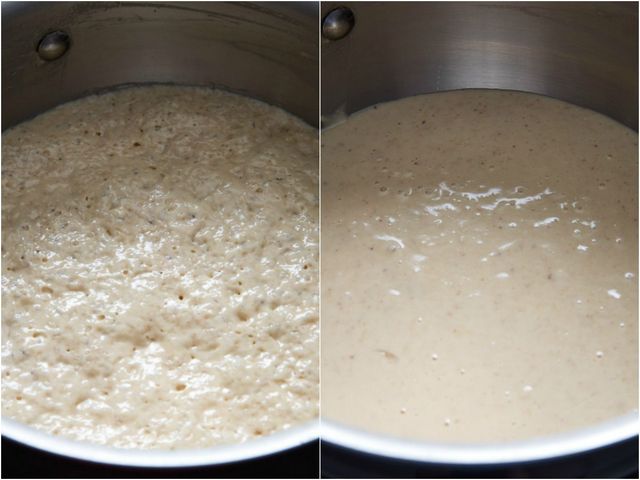
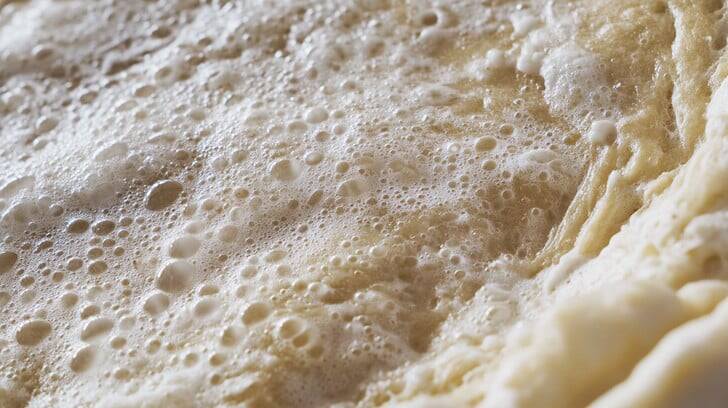
And here's a gentle reminder that's worth bolding: yeast activation usually takes 5 to 10 minutes. I know — we live in a world of instant gratification, so three minutes already feels like an eternity. Give it time. If you don't see at least some bubbling and fizzing within 10 minutes, it's likely one of the issues above.
So take a deep breath, check your water temperature, confirm your yeast is alive, and give it a little patience. Baking isn't just about following steps — it's about understanding the tiny, living science behind every recipe. And honestly? Troubleshooting is half the fun. Next time your yeast foams without drama, you'll feel like an absolute bread-wrangling wizard.
Trust me — your future loaves of bread will be incredibly proud of you. And who knows? Maybe someday you'll even skip the instant results and just smile at the beautiful, bubbly proof that patience really does make perfect. Keep baking, keep experimenting, and keep that oven warm. The best rise is always worth waiting for.