Why Is My Buttercream Grainy And Runny

Buttercream is one of those kitchen triumphs that everyone loves to chase — whether you're frosting a birthday cake, piping delicate rosettes for a cupcake tower, or simply sl...

Buttercream is one of those kitchen triumphs that everyone loves to chase — whether you're frosting a birthday cake, piping delicate rosettes for a cupcake tower, or simply slathering a thick layer on a warm slice of cake. It's widely appreciated for its richness, versatility, and that satisfying smooth finish that makes any dessert look professional. Yet so often, bakers find themselves staring at a bowl of buttercream that just isn't right: it's grainy, it's runny, and no amount of stirring seems to fix it. Understanding why this happens — and how to prevent it — is one of the most practical and rewarding skills a home baker can develop. After all, great buttercream can elevate even a simple cake into a celebration-worthy centerpiece.
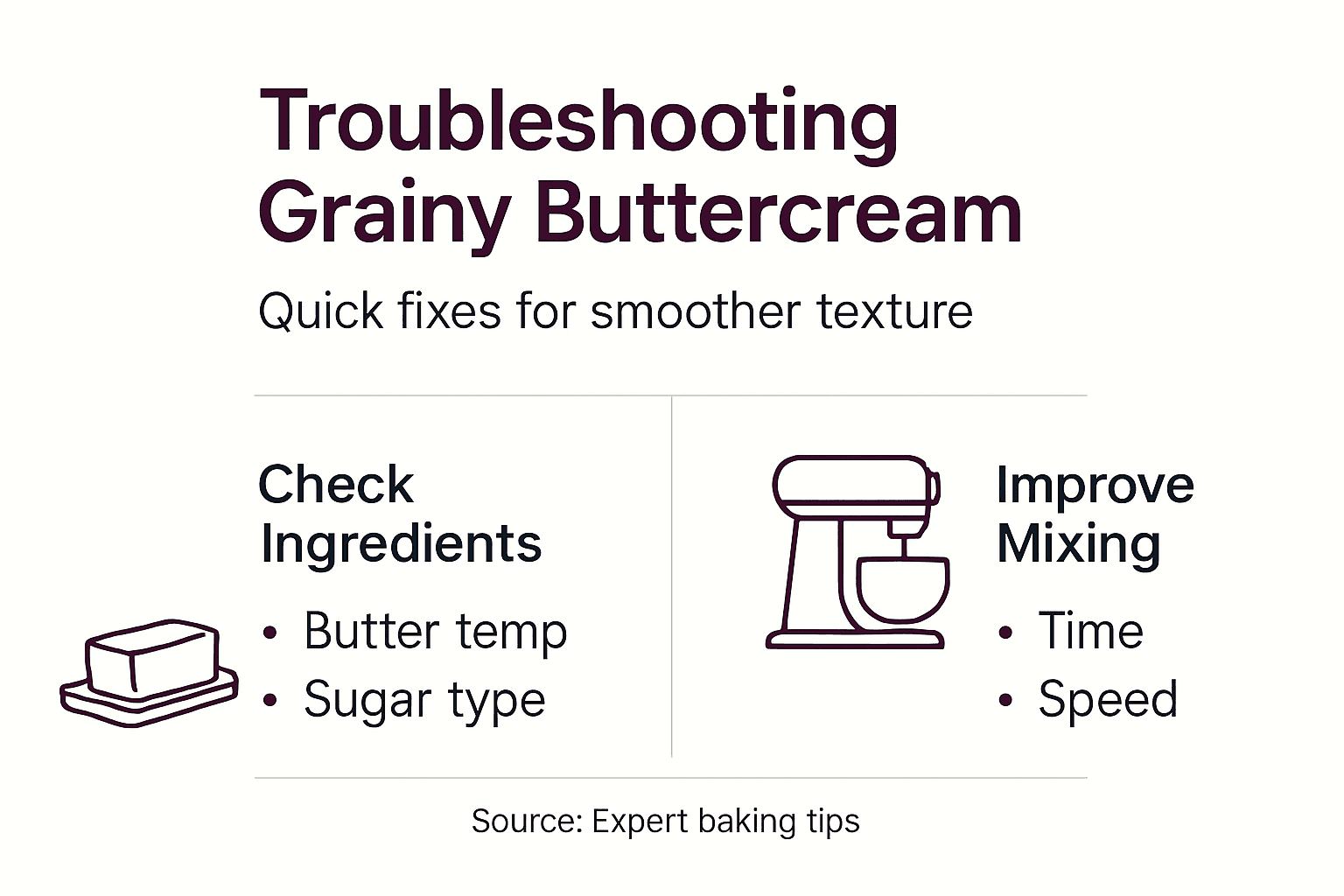
The graininess you see in your buttercream usually comes down to temperature and butter quality. When butter is too cold or not properly softened, the fat doesn't blend smoothly with your sugar. Instead, tiny pockets of solid fat create that dreaded sandy, rough texture. Additionally, if you're using granulated sugar (American-style buttercream) rather than powdered sugar, undissolved crystals can leave your frosting feeling gritty. To fix this, make sure your butter sits at room temperature for at least 30 minutes before you begin. Your butter should give slightly when pressed but still hold its shape. If you've already made a grainy batch, try beating it on high speed for an extra two to three minutes — the friction and warmth from the mixer blades will help the fat and sugar smooth out beautifully.
A runny buttercream, on the other hand, usually signals that something has gone too far in the opposite direction. Overly soft or melted butter is the most common culprit, especially in a hot kitchen. If your butter feels oily or has fully melted, it can't hold enough air during whipping, resulting in a thin, soupy mess. Another frequent cause is too much liquid from additions like milk, extract, or cream. Humid conditions can also make powdered sugar behave oddly and refuse to stiffen properly. To remedy a runny buttercream, pop your bowl into the refrigerator for 10 to 15 minutes to let the butter firm back up, then re-whip. If it's still loose, gradually fold in sifted powdered sugar a quarter cup at a time until you reach the consistency you want.
Must Read
There are several common variations of buttercream worth knowing, because each one handles temperature and moisture differently. American buttercream is the simplest, made with butter and powdered sugar, and it's the most forgiving of minor mistakes. Swiss meringue buttercream uses cooked egg whites for a silkier texture but is very sensitive to warm rooms. Italian meringue buttercream involves pouring hot sugar syrup over whipped whites, yielding a stable and glossy result. And French buttercream — made with egg yolks — is incredibly rich. Each type responds differently to heat, humidity, and handling, so knowing which one you're working with helps you troubleshoot faster.
 Why Is My Buttercream Grainy? 70% of Bakers Get It Wrong - The Vanilla
Here are some simple, actionable tips to help you nail buttercream every single time. First, always let your ingredients reach room temperature before mixing. Second, beat your butter alone on medium speed for three to four minutes to get it light and fluffy before adding anything else. Third, add your sugar gradually rather than dumping it all in at once — this prevents clumps and graininess. Fourth, keep an eye on your kitchen temperature; if it's above 75°F, chill your bowl periodically during mixing. Fifth, always sift your powdered sugar before using it to eliminate any lumps right from the start.
Ultimately, making perfect buttercream is less about perfection and more about understanding the small variables that affect it. Once you recognize why your frosting turns grainy or runny, you gain the confidence to fix it quickly — or better yet, avoid the problem altogether. With a little patience and attention, every batch of cake frosting you make will come out smooth, creamy, and absolutely beautiful. And there are few joys in baking quite as satisfying as that.