Why Is It Called The Tommy Gun

So, you’ve heard the name—the Tommy Gun. It evokes images of gangsters in pinstriped suits, fedoras tilted just so, and a rat-a-tat-tat that spelled trouble in Prohibition-era...
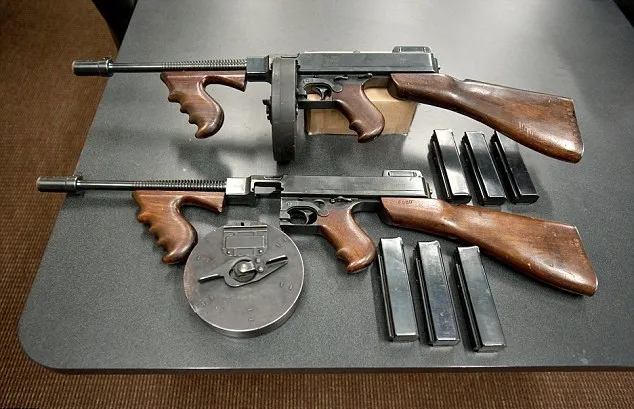
So, you’ve heard the name—the Tommy Gun. It evokes images of gangsters in pinstriped suits, fedoras tilted just so, and a rat-a-tat-tat that spelled trouble in Prohibition-era Chicago. But here’s the million-dollar question: why is it called the Tommy Gun? And no, it’s not because a guy named Tommy invented it while sipping a whiskey sour. Well, almost not.
Let’s start at the beginning. The actual inventor was General John T. Thompson, a U.S. Army officer who dreamed of a “trench broom”—a lightweight automatic weapon that could sweep through enemy trenches during World War I. His goal? To give soldiers a firepower advantage. But as fate would have it, the war ended before his prototype was ready. So, what do you do with a high-tech weapon designed for warfare that no longer needs it? You rebrand it for civilians, of course! Thompson partnered with the Auto-Ordnance Company, and in 1919, the Thompson Submachine Gun was born. The “Tommy Gun” nickname? That was just a snappy, affectionate shorthand—like calling a guy named Robert “Bobby.” Except this Bobby could fire 800 rounds a minute.
But here’s where the giggles start. The original marketing tried to sell it as a “peace-keeping” tool for police and farmers. Yes, farmers. Imagine chasing a raccoon out of your cornfield with a blooming machine gun. “Sorry, Mr. Fox, but you’ve had your last chicken dinner!” Unsurprisingly, the countryside didn’t exactly bite. Instead, the Tommy Gun found its real niche with—you guessed it—bootleggers and gangsters. Names like Al Capone and John Dillinger made the gun infamous, and the press loved the alliterative flair of “Tommy Gun.” It sounded almost friendly, like a pal you’d grab a beer with—until he emptied a drum magazine into a rival’s sedan.
Must Read
And what about the look? That sleek, drum-shaped magazine and the ventilated barrel jacket gave it a distinctive silhouette. People started calling it the “Chicago Typewriter” for the distinctive chatter it made, but “Tommy Gun” stuck because it was catchy. It’s the kind of name that makes a weapon feel less like a tool of violence and more like a mischievous character in a Hollywood movie. And that’s exactly what happened—the film industry immortalized it. From James Cagney’s snarling mobsters to Scarface’s dramatic shootouts, the Tommy Gun became a star. It even had a cameo in The Matrix, because why not? Every icon gets a second act.
Of course, the name also owes a debt to World War II. GIs loved the Thompson for its reliability in close-quarters combat—think jungles of the Pacific or the streets of Normandy. Soldiers called it the “Tommy Gun” with pride, because it was their reliable partner. The British even adopted it officially, and you know how the Brits love a good nickname—they’d already called their own soldiers “Tommies,” so the gun was practically family. By then, the name was so woven into popular culture that you’d have an easier time renaming Christmas.
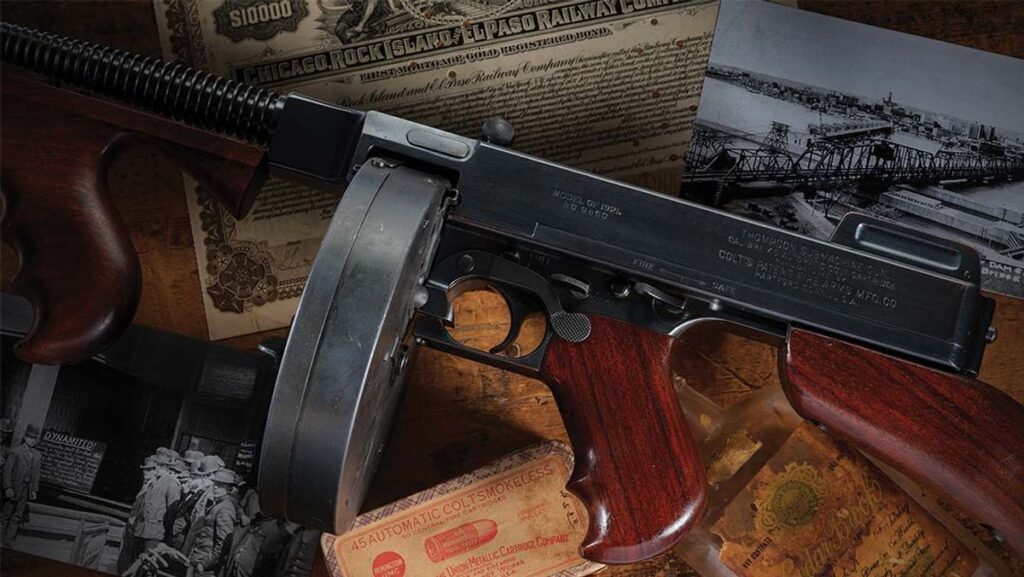 History of the Tommy Gun: Why this weapon is legendary
So, why is it called the Tommy Gun? Because history has a sense of humor. A weapon designed for war, sold for peace, adopted by gangsters, and immortalized by Hollywood—all under the friendly moniker of a guy you’d trust with your car keys. It’s a reminder that even the most dangerous things can get a nickname that makes them sound like a lovable rogue. Next time you hear the name, smile. That’s the sound of innovation, violence, and pop culture doing a chaotic little dance together. And isn’t that just the most human thing ever?
So here’s to the Tommy Gun—a tool of destruction with a name that feels like a hug. May we always find the light in the dark, the laughter in the loud, and a good story behind every peculiar name. Boom. Rat-a-tat-tat. Smile.

