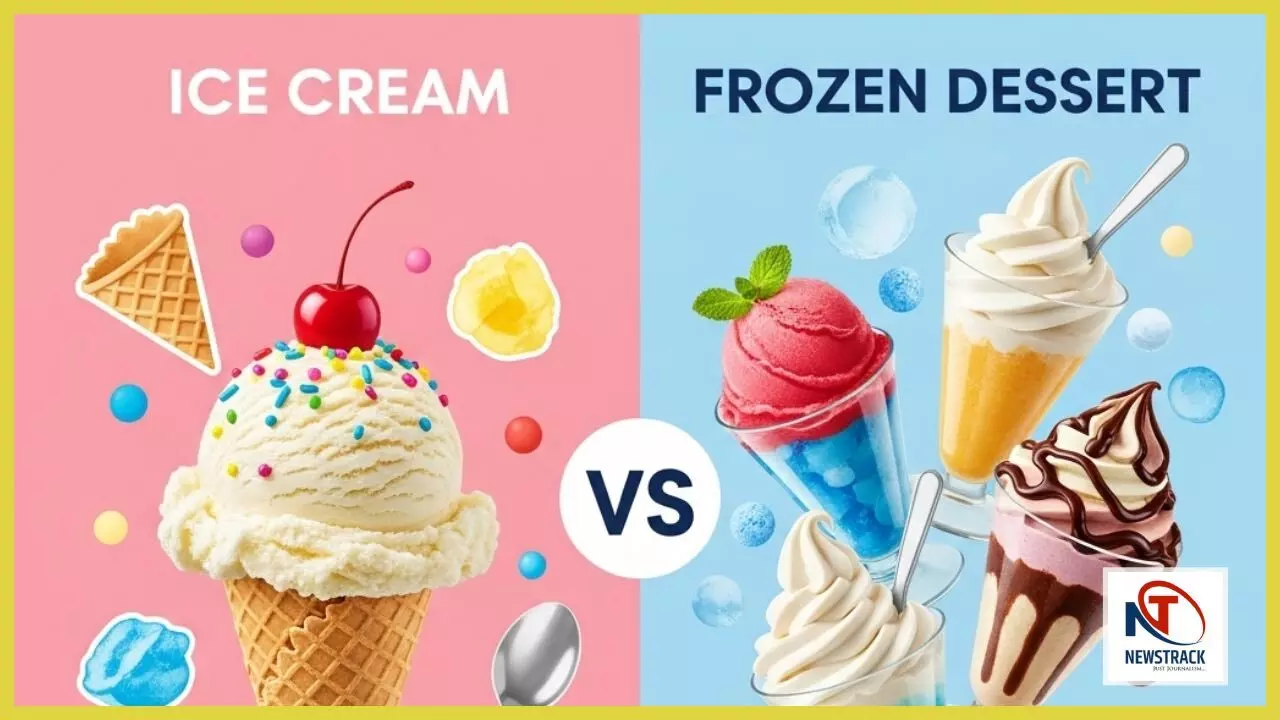
Why Is Ice Cream Called Frozen Dairy Dessert

If you've ever wandered down the frozen aisle and wondered why some tubs say "ice cream" while others simply read "frozen dairy dessert," you're not alone. This isn't just a r...

If you've ever wandered down the frozen aisle and wondered why some tubs say "ice cream" while others simply read "frozen dairy dessert," you're not alone. This isn't just a random branding trick — it reflects a whole world of regulatory guidelines, ingredient standards, and consumer expectations. Understanding why this distinction exists can help you make smarter choices every time you reach for a sweet, cold treat on a summer afternoon.
The reason boils down to the ingredients used. According to the U.S. Food and Drug Administration (FDA), legitimate ice cream must contain at least 10 percent milkfat and must have a specific amount of air whipped in during churning. When a product falls short of those thresholds — whether it has less dairy, more sugar, or substitutes like corn syrup and stabilizers — it cannot legally call itself ice cream. Instead, manufacturers label it a "frozen dairy dessert" to stay compliant while still letting you know it contains some dairy components.
This matters for individuals who are watching their diet more closely. People who count their fat intake or prefer products closer to traditional recipes can quickly spot the difference on the shelf. Families benefit too, especially parents who want to give their kids a treat while still knowing what goes into each spoonful. If a label says frozen dairy dessert, it signals a higher sugar content or the presence of alternative fats, which some families may want to limit or at least be aware of.
Must Read
Think about a few real-life scenarios. A parent at a grocery store can compare a premium pint of Häagen-Dazs — unmistakably labeled ice cream with that rich, creamy profile — against a cheaper option marked frozen dairy dessert, which looks almost identical but packs different nutritional values. Or consider a teenager at a fast-food drive-thru ordering a soft-serve cone; depending on the establishment, that flaky swirl could fall on either side of the line. Even ice cream trucks, those iconic neighborhood visitors, sometimes carry products that technically fall under the frozen dessert umbrella without patrons ever realizing it.
The distinction also affects how the industry markets itself. Brands sometimes deliberately position their product as a frozen dairy dessert because the rules around ice cream are stricter and more expensive to meet. By using alternative sweeteners, vegetable oils, or lower-cost dairy, manufacturers can keep prices down while still delivering a product that tastes indulgent. For budget-conscious shoppers, a frozen dairy dessert can be a perfectly satisfying choice — as long as you understand what you're buying.
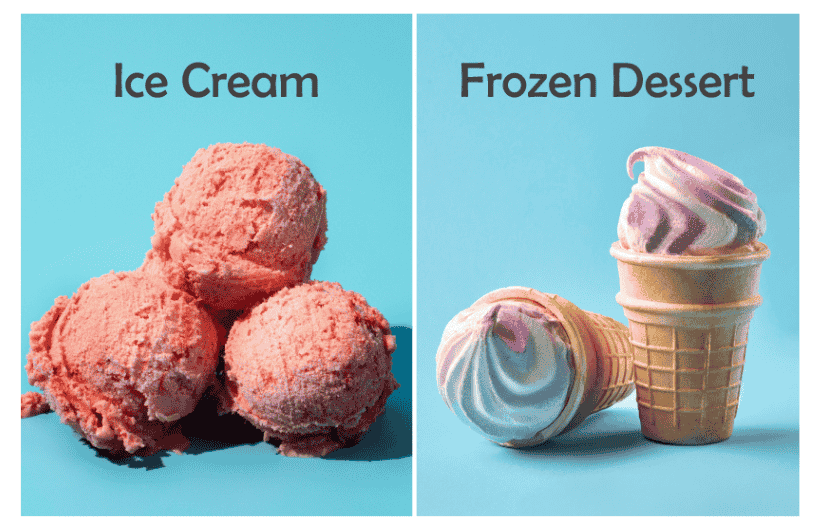 Ice Cream vs. Frozen Dessert: What’s the Difference?
So how can you apply this knowledge practically? First, always flip the container and read the back label — the ingredient list tells the whole story. Second, if you're prioritizing quality and authenticity, look for that straightforward "ice cream" label and check that milkfat sits at or above 10 percent. Third, don't judge a product solely by its category name; some frozen dairy desserts can be genuinely delicious and well-crafted, especially brands that offer organic or allergen-friendly options. Finally, compare per-serving nutrition facts side by side — you'll often be surprised how wide the gap is between the two categories.
Ultimately, knowing why ice cream and frozen dairy dessert aren't the same thing puts power back in your hands as a consumer. It's not about avoiding one category or the other — it's about making informed, confident choices that match your taste and your values. Whether you savor a dense, premium scoop or enjoy a lighter frozen treat shared with friends on a warm evening, understanding the label helps you enjoy every cone, bowl, and pint that much more.