Why Is A Doughnut Called A Doughnut

Have you ever held a warm, glazed doughnut and wondered, why do we call it that? It feels so cozy, so familiar, yet the name is a little… weird. Doughnut. It’s like a tiny mys...
Have you ever held a warm, glazed doughnut and wondered, why do we call it that? It feels so cozy, so familiar, yet the name is a little… weird. Doughnut. It’s like a tiny mystery sitting in a paper bag, waiting for you to bite into it. Let’s untangle this little knot of history, shall we?
The Literal Answer Is Right There
Okay, start with the obvious. The word “doughnut” is basically just “dough” plus “nut.” Pretty simple, right? But back in the 1800s, “nut” wasn’t just a crunchy snack you found on a tree. It was a slang term for a small, round lump or a little ball of something. Think of a “nut of butter” or a “nut of coal.”
So, a doughnut was literally a small, round lump of sweetened dough. It wasn’t a ring back then. It was a little ball—a dough nut. That feels almost too easy, doesn’t it? But wait, the story gets twisty (pun intended).
Must Read
The Missing Hole: A Twist in the Tale
Here’s the kicker: the first doughnuts didn’t have a hole. They were solid, fried balls of dough, often stuffed with nuts or fruit in the center. The problem? The center never cooked. You’d get a crispy, golden outside and a raw, gooey, uncooked heart. Not ideal for breakfast.
Then came the legendary story of Captain Hanson Gregory, a young sailor in the 1840s. Legend says he was munching on a greasy, raw-centered doughnut during a storm. In a flash of genius (or frustration), he jammed it onto the ship’s spoke of the wheel to free up his hands. When he pulled it off, he realized the hole made it cook all the way through.
Is that story 100% true? Who cares. It’s perfect. It gives the humble ring a heroic origin story, like a pirate’s snack becoming a global icon. That little hole changed everything.
What About “Doughnut” vs. “Donut”?
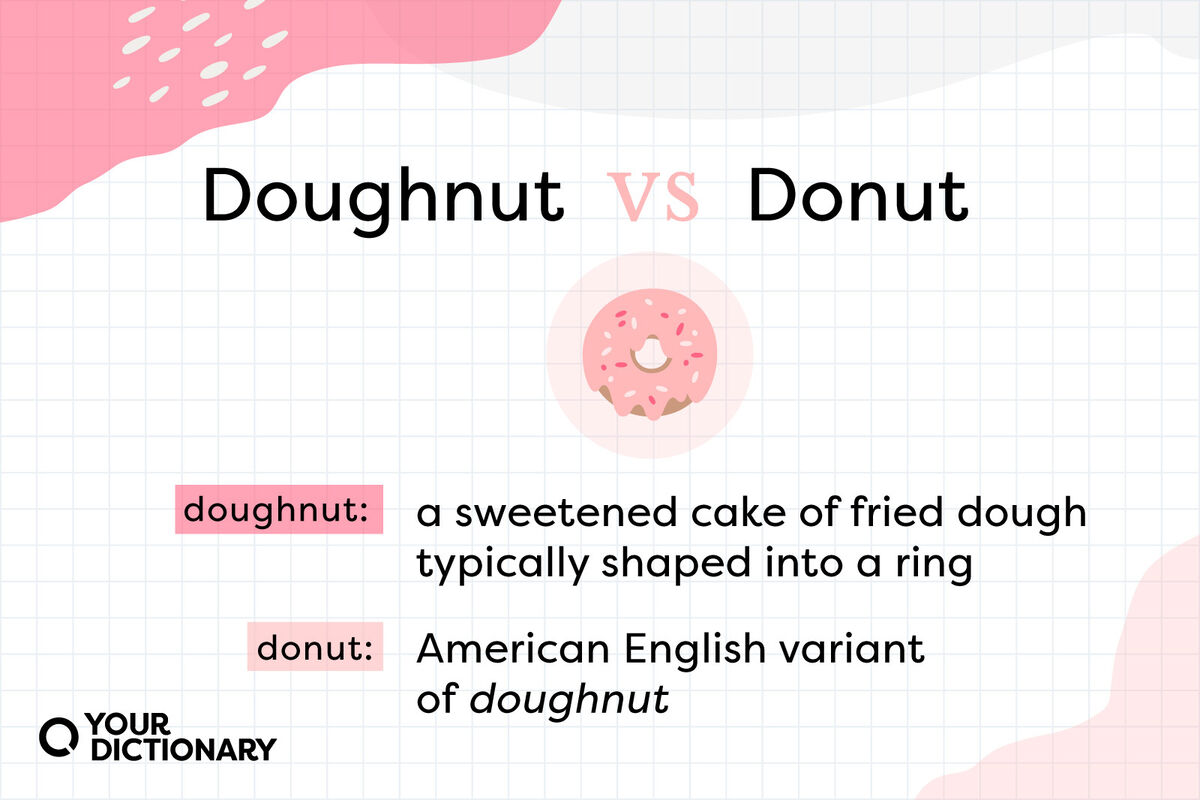
You’ve probably seen both spellings and thought, “Is one wrong?” Not at all. “Doughnut” is the original, proper, historical spelling. It’s like the formal suit your grandpa wears. “Donut” is the casual, fun abbreviation that came along with mass production and advertising. It’s the T-shirt and jeans version.
Think of it this way: “Doughnut” is what you’d call a hand-rolled, artisan treat from a bakery in the 1800s. “Donut” is what you grab at a gas station at 2 a.m. Both are delicious. The short spelling is just a modern shortcut, and the word has happily evolved.
Why the Name Feels So Strange Today
Here’s the weird part: we still call it a “doughnut” even though it’s a ring. A nut is a lump, but a doughnut is a circle with a hole. So the name is old-fashioned, like calling a smartphone a “wireless telephone.” It describes the original thing, not the final product.
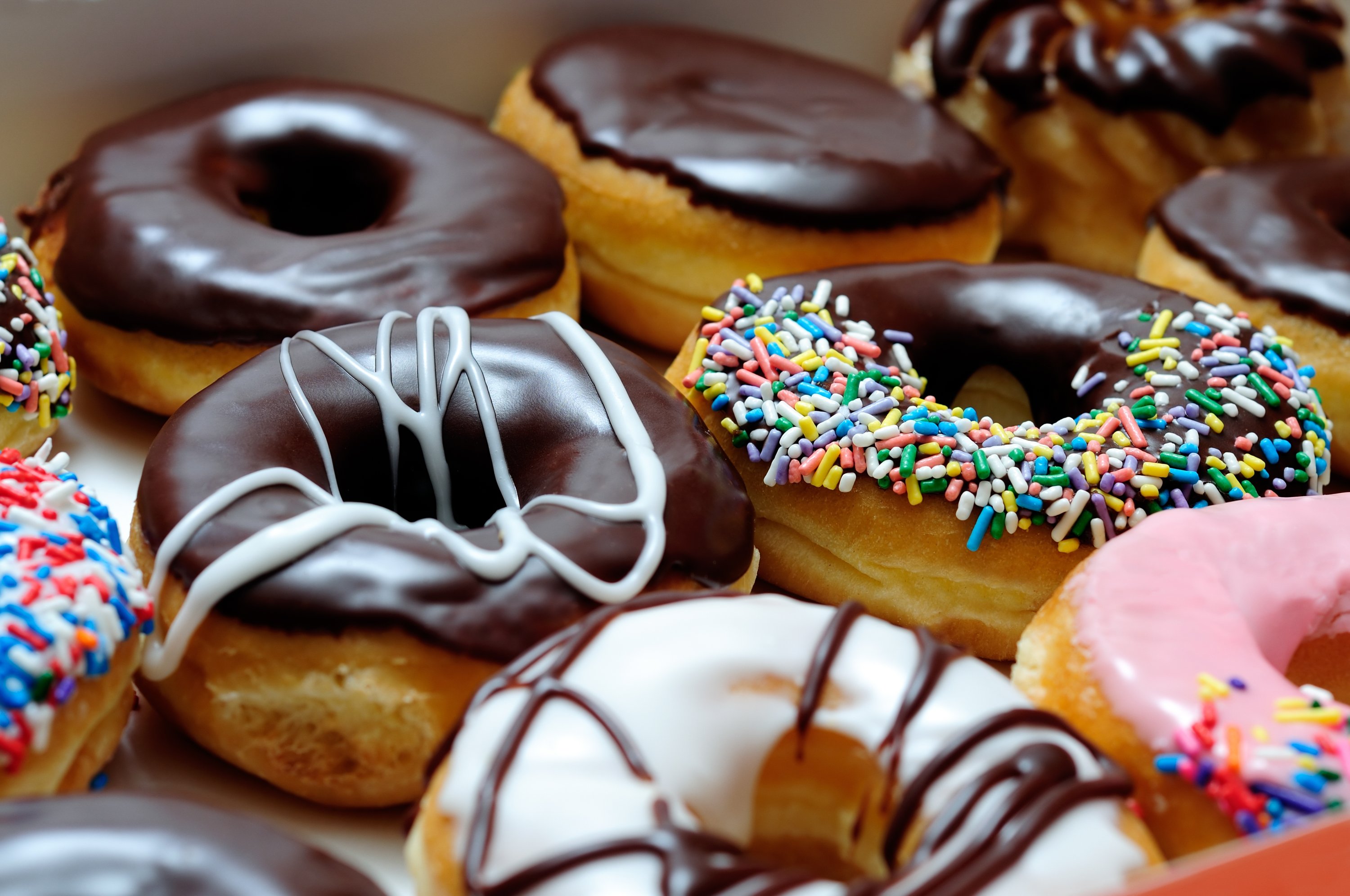 Doughnuts Mit Puderzucker - Rezepte Suchen
It’s like if we called a pizza “sauce bread” because that’s what it started as. The name stuck, even as the shape changed. Fascinating, right? It’s a linguistic fossil, a tiny time capsule in your hand. Every time you say “doughnut,” you’re speaking a bit of 19th-century slang.
A Spoonful of Culture and Comfort
Let’s not forget the doughnut’s rise to fame during World War I. The Salvation Army volunteers—called “Doughnut Dollies”—fried them in soldiers’ helmets to boost morale. The ring shape was practical: you could stick it on a bayonet or a finger while dodging bullets. That’s not just a snack; that’s tactical comfort food.
Today, the doughnut is a symbol of pure, unpretentious joy. It’s a breakfast, a dessert, and a break from the day all at once. And the name? It’s a gentle reminder that even the simplest things have a story. A lump of dough that became a ring of happiness. Pretty cool, huh?
So, Why Does It Matter?
Honestly, it doesn’t matter that much. You can still bite into a glazed ring without knowing its origin story. But knowing the “why” makes the experience richer. It’s like learning that your favorite song was written on a napkin or that your go-to coffee order has a secret history.
The next time you grab a doughnut, take a moment. Look at the hole. Think of Captain Gregory and his sailor’s wheel. Think of the old word “nut” for a lump. You’re holding a 170-year-old pun made of flour, sugar, and hot oil. And that’s just delightfully weird.
So, eat it. Enjoy it. And if someone asks you, “Why is a doughnut called a doughnut?” you can smile and say, “Because it started as a ball of dough, and history is strange and wonderful.” And then, maybe, buy them one too.
