Why Does Steak Make Me Poop

Have you ever sat there, just a little while after a glorious, juicy steak dinner, and felt a familiar rumbling in your gut? And then, not long after, you’re making a dash for...
Have you ever sat there, just a little while after a glorious, juicy steak dinner, and felt a familiar rumbling in your gut? And then, not long after, you’re making a dash for the bathroom? You’re not alone, and it’s not just your imagination. Let’s talk about why this happens, and why it’s actually kind of a cool sign that your body is doing its job.
The Meat Magic and Your Gut's Timing
First, think of your digestive system like a really efficient, slightly dramatic highway. Your steak is a big, heavy truck loaded with protein and fat—two of the toughest things to break down. Your body sends out a signal: “Whoa, heavy load coming! Better clear the road ahead.”
This signal often triggers a gastrocolic reflex. Don’t let the fancy name scare you; it’s just your stomach and colon having a chat. When your stomach stretches from that big meal, it nudges your colon and says, “Hey, buddy, make some room.”
Must Read
And your colon, being a good friend, often responds by evacuating whatever is waiting in line. So, that post-steak poop isn’t the steak itself—it’s your body clearing out yesterday’s leftovers to make space for today’s feast. Fun, right?
Fat: The Great Lube Job
Let’s talk about the fat in a ribeye or a New York strip. Fat is like the oil in your digestive engine—it helps things slide. But too much of it can also speed things up, causing your system to say, “Let’s get this show on the road—fast.”
This is especially true if you’re not used to eating a lot of rich, fatty meat. Your gallbladder releases a squirt of bile to break down all that fat, and bile is a natural laxative. It’s as if your guts are saying, “Whoa, that’s a lot of butter! Better get this out before it causes trouble.”
It’s the same reason a big, greasy burger might send you running, but a lean chicken breast won’t. The fat content is the direct line to your bathroom sprint.
The Protein Puzzle and Your Gut Bacteria
Here’s where it gets a little weird and wonderful. Your steak is packed with protein, and your body can only digest so much of it at once. The undigested protein then travels down to your large intestine, where it meets your gut microbiome—the trillions of tiny bacteria living inside you.
These bacteria love a protein party. They ferment that leftover steak, producing gases like hydrogen, methane, and even hydrogen sulfide. That’s the scientific name for that… distinctive smell you might notice afterward.
So, that sudden, urgent movement? It’s your gut bacteria throwing a wild fermentation rave, and then kicking you out the back door. It’s a biological house party, and you’re just the venue.
Red Meat and Inflammation: A Sensitive Subject
Some people’s bodies see red meat as a bit of an irritant. It’s like that one friend who shows up to a quiet dinner and immediately starts rearranging the furniture. Your immune system might release histamines or other chemicals in response to certain compounds in beef.
This can cause mild inflammation in your gut lining, which your body naturally wants to flush out. Think of it like your gut saying, “This material is a bit scratchy. Let’s expedite its departure.”
 Spoiled Steak
It’s not a sign that steak is “bad” for you—it’s just that your digestive system is a sensitive cocktail of chemicals and signals. Some folks just have a more reactive gut to the natural compounds in red meat.
The Neural Connection: Brain, Gut, Steak
There’s also a fascinating mind-gut connection at play. When you eat a big, satisfying steak, your brain releases dopamine and other feel-good signals. But the gut has its own nervous system—the enteric nervous system—sometimes called the “second brain.”
This second brain can get excited, too, and it often expresses that excitement by increasing motility. That’s a fancy way of saying it makes your intestines start marching like a marching band. You ever get a “nervous poop” before a big presentation? This is similar, but the trigger is a delicious slab of cow.
It’s like your body is so happy about the steak that it wants to celebrate by making a little room for the next one. Weird? A little. Amazing? Totally.
What About Cuts and Cooking?
Not all steaks are created equal. A lean sirloin might not hit you the same way as a marbled Wagyu. The higher the fat content, the more likely you are to feel that urgent call.
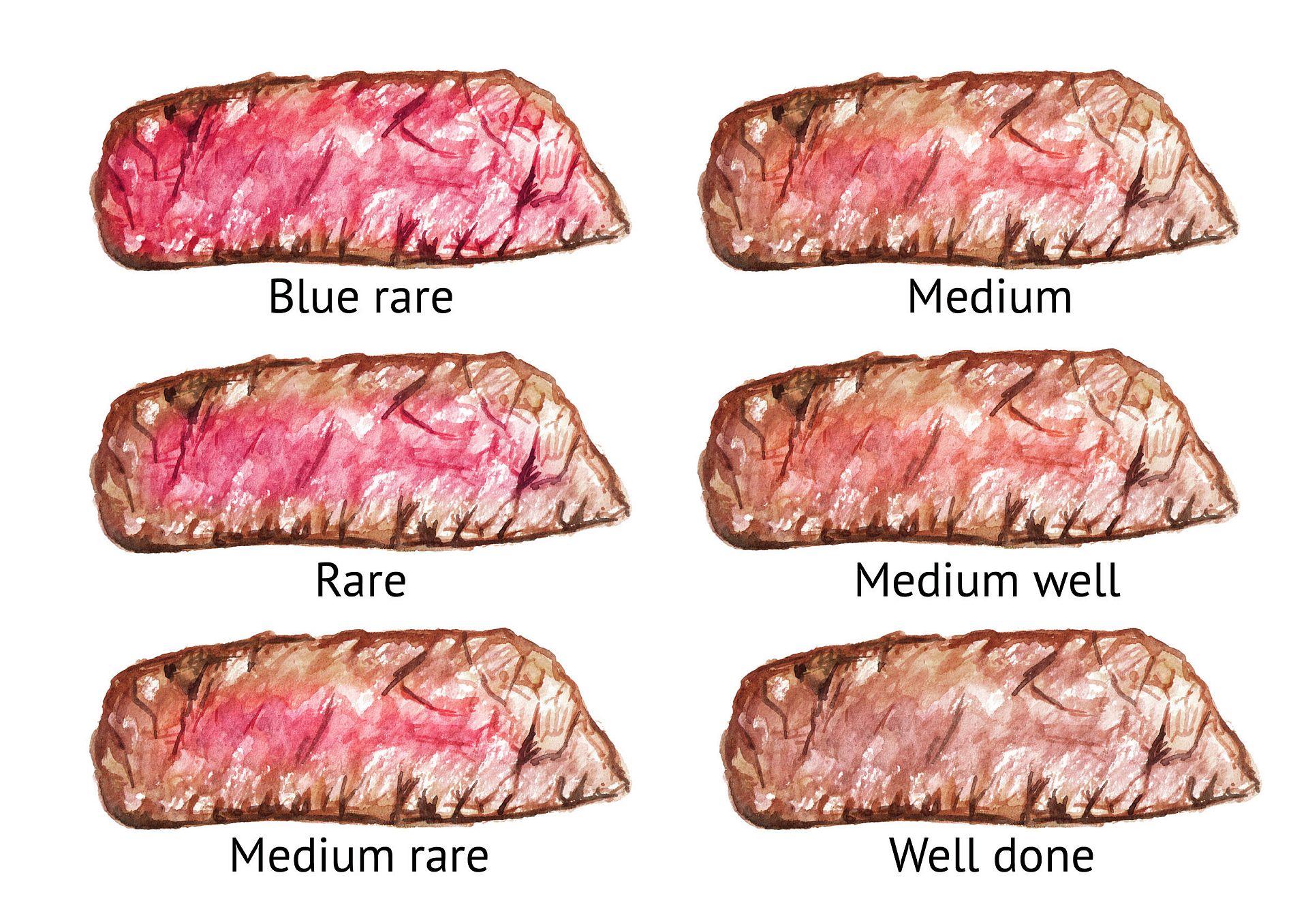
Also, how you cook it matters. A rare or blue steak is less denatured by heat, meaning its proteins are still in a more natural, tougher state for your body to handle. Well-done steak is more “cooked,” which can make it slightly easier to break down—though some say it’s also harder on your gut because of the carcinogenic compounds from charring.
So, if you want to avoid the mad dash, try a leaner cut cooked medium-rare. Or just accept your fate and plan your bathroom breaks accordingly—it’s a small price to pay for pure, meaty bliss.
Is This a Bad Thing?
Honestly, in most cases, it’s normal. Every person’s digestive system is a unique snowflake. For some, steak is a gentle friend; for others, it’s a speedy express train. It doesn’t mean you’re intolerant or that steak is poison.
It just means your body is responsive. It’s processing that dense fuel efficiently, clearing the decks, and getting ready for whatever’s next. Consider it a sign of a lively, working digestion.
Just make sure you have a toilet nearby and a good book to read. Because when steak calls, you answer. And that, my friend, is the circle of life—served medium rare.
