Why Does Pineapple Make My Stomach Hurt

Pineapple is one of the world's most beloved tropical fruits, enjoyed for its sweet-tart flavor, juicy texture, and refreshing taste. People add it to smoothies, grill it with...

Pineapple is one of the world's most beloved tropical fruits, enjoyed for its sweet-tart flavor, juicy texture, and refreshing taste. People add it to smoothies, grill it with meats, toss it into salads, or simply eat it straight from a bowl. Its naturally vibrant appearance and tropical aroma make it a go-to summer staple for millions of households. But for some people, that very enjoyment comes with a frustrating twist — an uncomfortable stomach ache after eating just a few slices. If you have ever wondered why pineapple hurts your stomach, you are far from alone, and the answer lies in a powerful enzyme the fruit naturally contains.
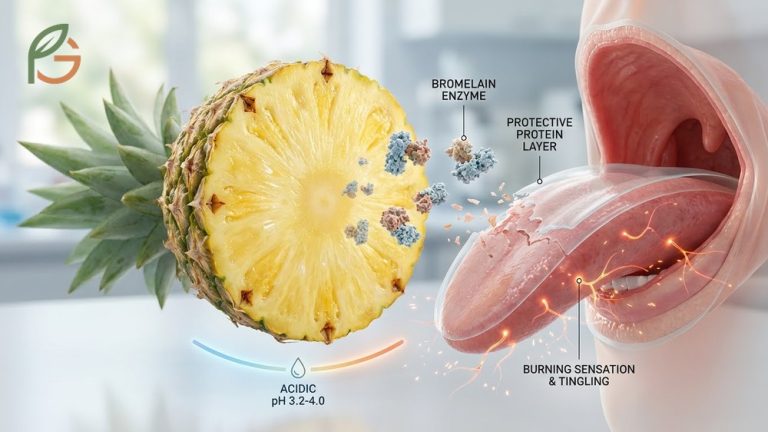
The primary culprit behind pineapple-related stomach discomfort is an enzyme called bromelain. Bromelain is a proteolytic enzyme, meaning it breaks down proteins. Pineapple is the only common fruit known to contain this enzyme in significant quantities, and it acts much like a biological tenderizer on whatever it touches — including the delicate lining of your stomach. When you eat fresh or uncooked pineapple, the bromelain remains active and can irritate the tissue of your mouth, tongue, and stomach. This explains the tingling sensation some people feel on their lips and the burning or cramping pain that may follow in the midsection.
It is important to note that not everyone reacts the same way to pineapple. Some people tolerate it effortlessly, while others experience bloating, nausea, or sharp abdominal pain. This difference often comes down to individual sensitivity, stomach acid levels, and whether someone has a preexisting digestive condition such as gastritis, acid reflux, or irritable bowel syndrome (IBS). For example, a person with existing low-grade inflammation in the stomach may find that even a small serving of raw pineapple triggers noticeable discomfort, while a friend with a healthy gut might eat an entire cup without a second thought.
Must Read
Anatomy and serving size also play a role. The inner core of the pineapple contains the highest concentration of bromelain, while the riper the fruit becomes, the softer the flesh and the more tolerable it typically feels on the stomach. If you have eaten a large portion quickly, or if you consumed the firmer core sections, you may have introduced a greater amount of active enzyme into your digestive tract at once. Pairing pineapple with other rich or acidic foods — such as dairy-heavy dishes — can further complicate digestion and amplify discomfort for sensitive individuals.
If pineapple consistently causes stomach pain, there are simple strategies you can try before giving it up entirely. First, opt for canned pineapple or pineapple that has been grilled or cooked. The heat denatures bromelain, rendering it much gentler on your system. Second, start with small portions — one or two thin slices — rather than a full bowl, so you can gauge your body's tolerance. Third, avoid eating pineapple on an empty stomach, because a bisected lining is far more vulnerable to enzymatic irritation when there is no other food to buffer the impact.
 Eat Pineapple on an Empty Stomach — Watch What Happens | Dr. Mandell
You might also consider pairing pineapple with simple, bland foods like rice, bananas, or plain crackers to give your stomach a protective base before the enzyme reaches sensitive tissue. Eating pineapple alongside other foods rather than alone can slow absorption and reduce the intensity of any reaction. Some people find that drinking a glass of water with their serving helps dilute the bromelain concentration and eases initial discomfort in a noticeable way.
Ultimately, pineapple is packed with valuable nutrients, including vitamin C, manganese, and dietary fiber, making it a genuinely beneficial addition to a balanced diet. It supports immune function, aids in reducing inflammation, and contributes to healthy digestion when consumed appropriately. Understanding why your stomach reacts negatively empowers you to enjoy this versatile fruit in ways that work for your body — without sacrificing either comfort or nutrition. If pain persists even after adjusting your approach, consulting a healthcare professional is always a wise next step.