Why Does My Husband Yell At Me

There’s something universally relatable and, oddly enough, practical about untangling the moments when a partner’s voice rises. This topic isn’t about assigning blame—it’s abo...

There’s something universally relatable and, oddly enough, practical about untangling the moments when a partner’s voice rises. This topic isn’t about assigning blame—it’s about understanding a pattern that affects so many. The main purpose here is to help you move from feeling hurt or confused to feeling informed and empowered. Whether you’re in a new marriage or have decades under your belt, recognizing why yelling happens can restore your peace of mind and improve communication. For example, a common scenario is when a husband yells over a missed chore—not because of the chore, but because of underlying stress. Another variation is when anger erupts after a quiet disagreement, masking feelings of helplessness. Simple awareness of these triggers is your first step toward calm.
Before diving into reasons, it’s crucial to note that yelling is not your fault. Many women internalize the noise, thinking, “If I were better, he wouldn’t shout.” This is rarely true. The benefit here is shifting your perspective from victim to detective. You are not the cause of his behavior; you are the observer. Actionable tip: Start a private journal for one week. Write down the time of day, what happened just before the yelling, and what you were feeling. Patterns will emerge—maybe it’s always after work, or during financial discussions. This data becomes your map, not your blame sheet.
One of the most common reasons is that your husband lacks emotional vocabulary. He may not know how to say, “I feel anxious” or “I’m scared we’re failing.” Instead, anger becomes his default. Think of it like a child who throws a tantrum because they can’t articulate hunger. For you, the benefit of recognizing this is that you can stop taking his volume personally. Try a gentle, actionable technique: the next time he starts yelling, say calmly, “I want to hear you, but I can’t listen to the volume. Let’s pause for five minutes.” This teaches him that connection happens without the roar.
Must Read
Another layer is the role of learned behavior. If he grew up in a home where yelling was normal, his brain wired that response as “effective” communication. The good news? Brains can rewire with practice. Your part isn’t to fix his past, but to set a new norm. Example: He might yell about directions while driving. Instead of yelling back (which reinforces the loop), you can say, “I hear you’re frustrated. Let’s pull over and check the map together.” This models a different response, and over time, he may mirror your calm.
Sometimes, the yelling is a symptom of unmet needs—like feeling unappreciated or overwhelmed. He might be carrying a heavy load at work or feeling emasculated by life’s demands. This doesn’t excuse the behavior, but it explains it. Your benefit here is compassion without compliance. Actionable tip: Schedule a weekly 15-minute check-in with no distractions. Start with, “How are you feeling right now?” Let him talk without judgment. Often, just being heard can defuse the buildup that leads to exploding later.
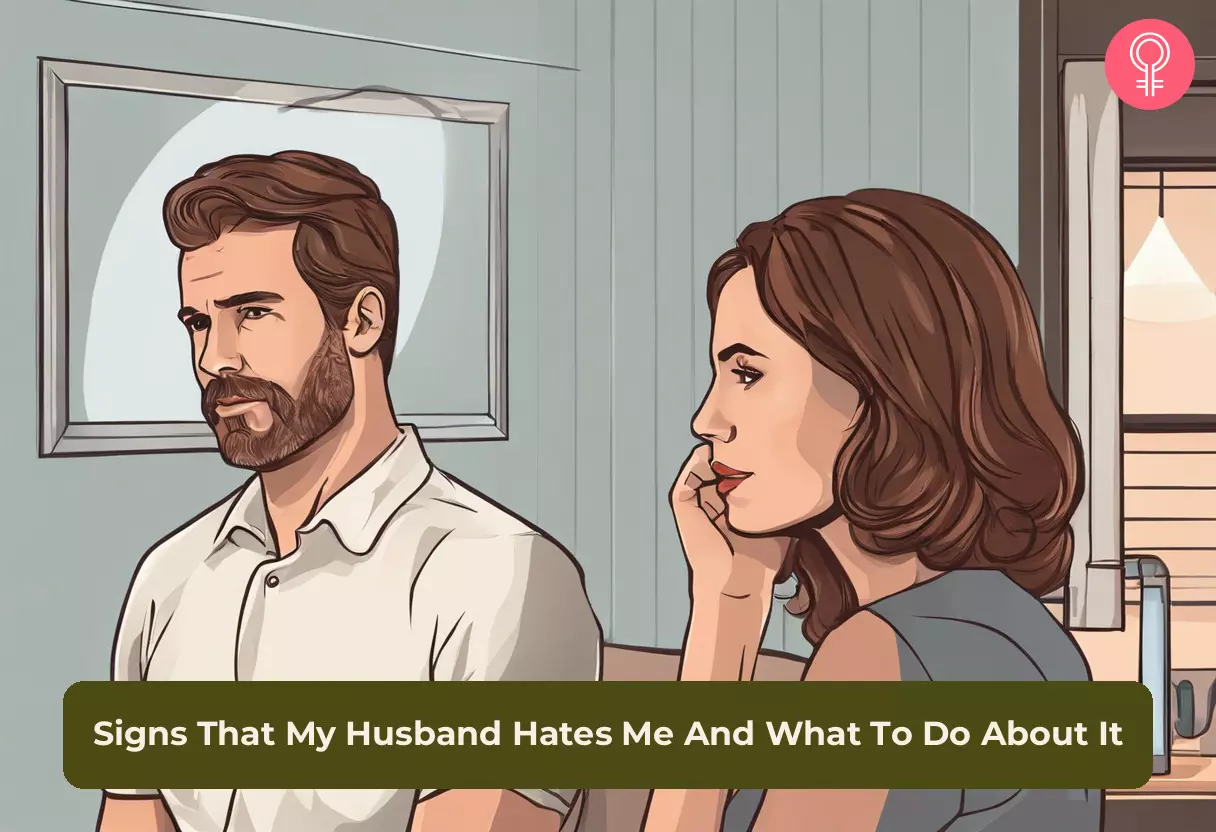 11 Signs That My Husband Hates Me And What To Do About It
If the yelling persists, it’s important to protect your emotional safety. This is not about enduring abuse—yelling that becomes threatening or demeaning crosses a line. Here’s where you set boundaries: “I love you, but I will not stay in a conversation where I’m shouted at. I’ll be in the other room when you’re ready to talk respectfully.” Practice this in a mirror so it feels natural. Your mental health matters as much as understanding his triggers.
Finally, remember that change doesn’t happen overnight. The journey to quieter, kinder communication is a shared project. Celebrate small wins: a week with no raised voices, or a moment where he catches himself and apologizes. You are not alone in this. Many couples have turned yelling into a signal for deeper listening. The greatest benefit is that you reclaim your power—not by controlling him, but by understanding the “why” and responding with clarity. So take a deep breath. You’ve already taken the bravest step: looking for answers.
