Why Do We Eat Corned Beef On St Patty's Day

You know that moment when March rolls around and suddenly every grocery store is packed with big beef briskets sitting in salty brine? I remember thinking as a kid, "Why is ev...
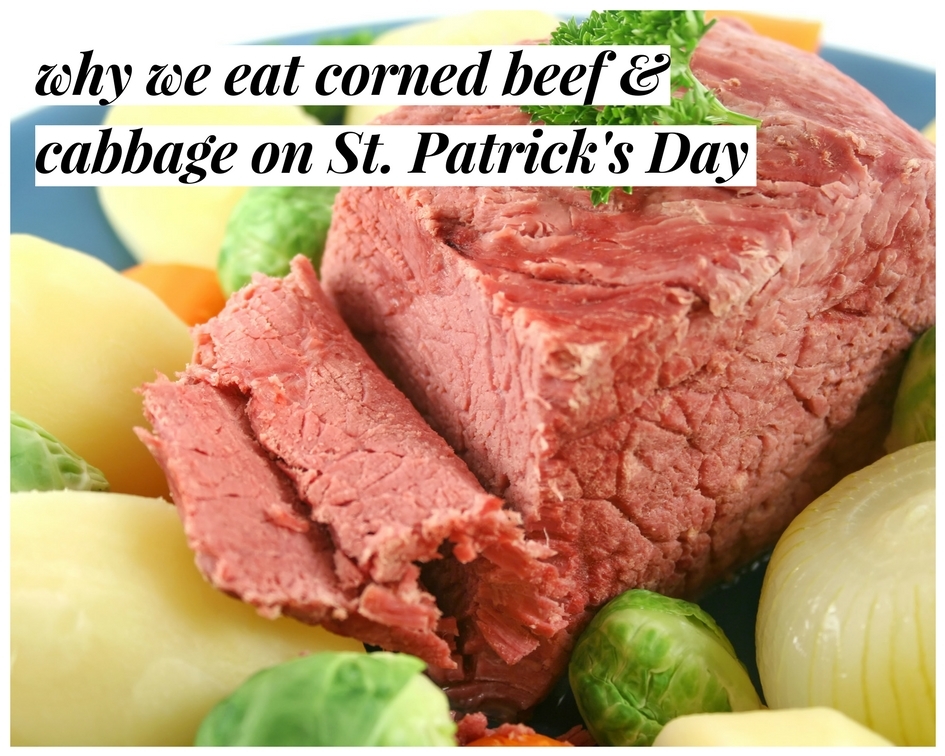
You know that moment when March rolls around and suddenly every grocery store is packed with big beef briskets sitting in salty brine? I remember thinking as a kid, "Why is everyone buying meat they can't pronounce?" Turns out, it's a tradition older than Uncle Mike's questionable green beer.
Corned beef and cabbage on St. Patrick's Day is one of those quirks that just sounds Irish. But honestly? The real story behind it is more like a roundabout road trip that ended up in your kitchen.
Where It All Started
First things first — corned beef didn't originate in Ireland. It became popular because of Irish immigrants who arrived in America and found salt-cured beef right next door in Jewish delis.
Must Read
Think about it: your great-grandparent steps off a boat, smells pastrami wafting from a deli, and thinks, "Now that's what dinner should smell like." I'd make the same call after a long boat ride, honestly.
Back in Ireland, people ate bacon or salted pork on special occasions, not exactly the corned beef we know today. The shift happened because beef was cheaper abroad, and the curing method was already perfected by Jewish butchers in New York.
It Became a Staple
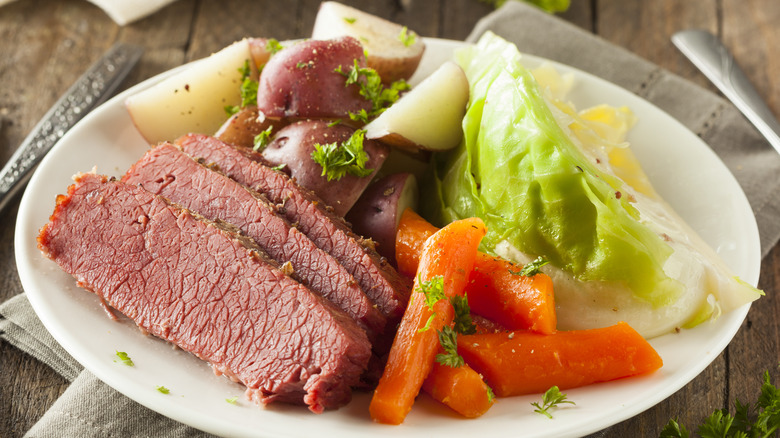
Irish-American families started cooking corned beef and cabbage for St. Patrick's Day because it was affordable and easy to make in one big pot. Grandma could throw everything in, let it simmer, and still have time to yell at the kids before dinner.
 Why Do Americans Eat Corned Beef on St. Patrick’s Day? The History
Cabbage was dirt cheap, potatoes were a must, and the whole thing fed a crowd. For a holiday celebrating a saint, feeding the whole neighborhood from one pot felt right.
Over decades and decades, the menu spread from city households to restaurants to potluck tables. By the time you were born, it was simply the thing to eat on March 17th.
Why Should You Care?
Here's the fun part — food ties us together. When your mom pulls out the same corned beef recipe she got from her mom, that's not just dinner; it's a family handshake across generations.
 Saint Patrick's Day 2026: History, Folklore, Recipes
I once brought store-bought corned beef to a friend's housewarming, and we argued for twenty minutes about how to cut it. People take this seriously, and honestly? That passion is what makes traditions fun.
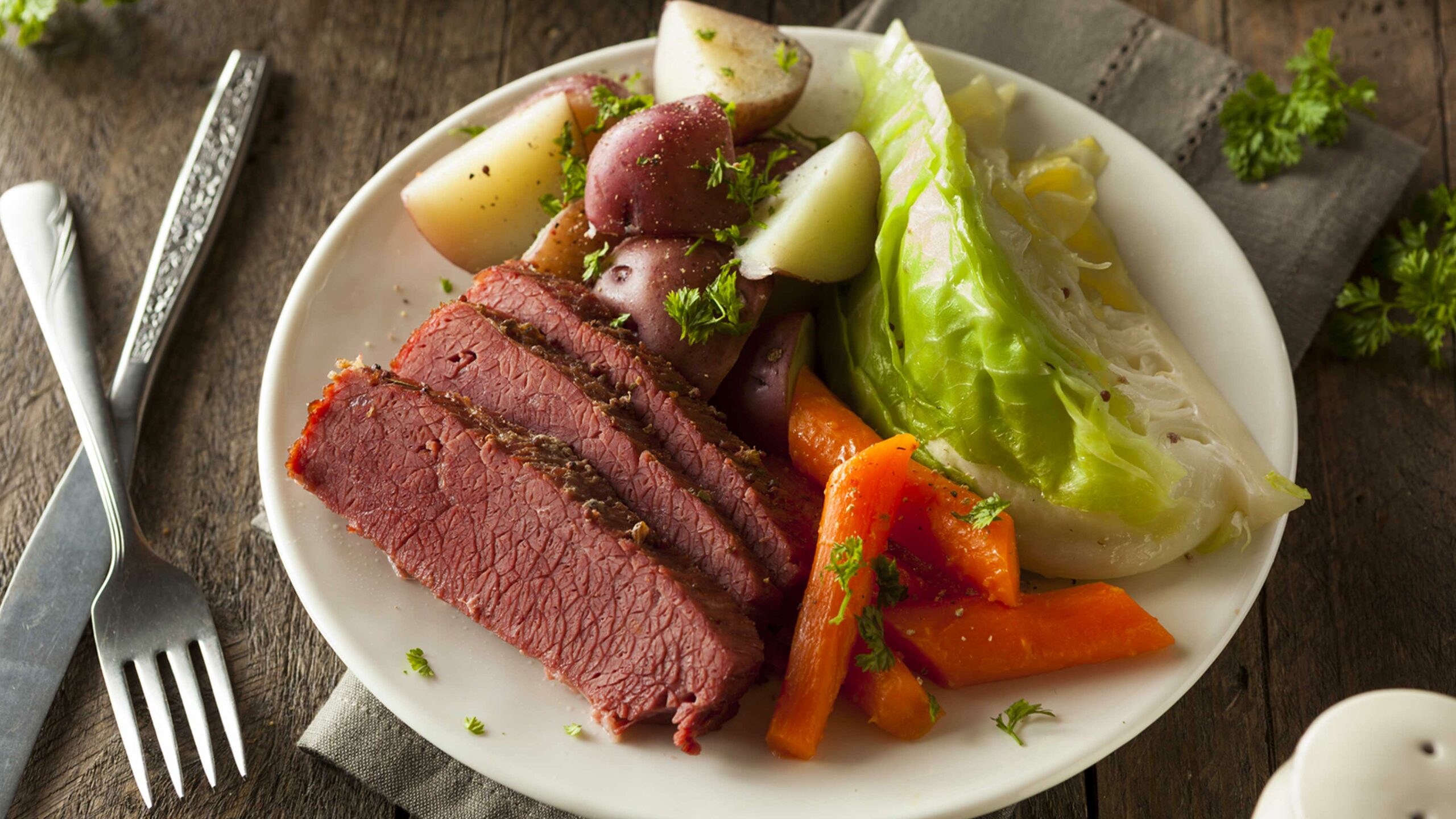
You don't have to be Irish to enjoy it. A whole pot of corned beef, cabbage, and carrots is just good, honest comfort food that happens to wear green on the calendar.
A Lektle Bit of Everything
The beauty of this meal is how it blends cultures. Irish heritage, Jewish curing methods, Eastern European cabbage traditions — it all lands on one plate.
 5 Places to Eat Corned Beef & Cabbage on St. Patty’s Day - DiningOut
Every bite is like a flavor time machine carrying old stories from New York's Lower East Side to kitchen tables all over the country.
So when you sit down this St. Patrick's Day with a steaming plate of corned beef, you're not just following a trend. You're stirring up history that stretched across oceans and ended up on your fork.
And if someone asks why corned beef, you can say with confidence that the story is way more interesting than most people think. Bonus bragging rights at every party.
At the end of the day, traditions don't need to be perfect or ancient to matter. They just need to make you call your mom and say, "Hey, what's your corned beef recipe again?"
