Why Do Spiders Stay In One Spot For So Long

You’re sitting on your couch, minding your own business, when you spot it: a spider, parked smack in the center of its web. Not moving. Not hunting. Just existing. And it’s be...

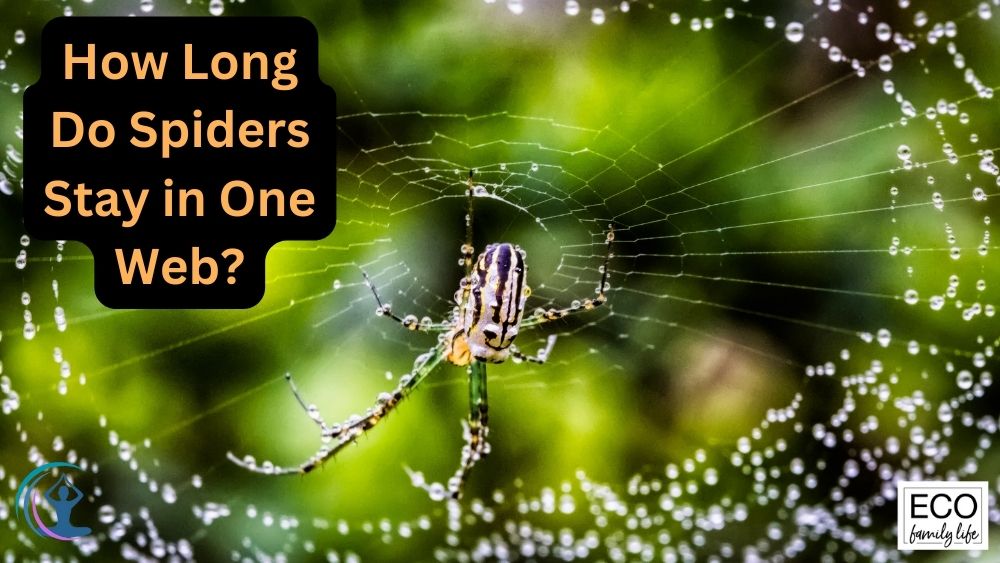
You’re sitting on your couch, minding your own business, when you spot it: a spider, parked smack in the center of its web. Not moving. Not hunting. Just existing. And it’s been there for three hours, maybe more. Is it plotting something? Taking a nap? Spiders are the ultimate couch potatoes of the animal kingdom, but their stillness is actually a high-stakes strategy, not laziness.
First, let’s talk about the energy crisis.
Spiders are basically tiny, eight-legged accountants running a tight budget. Building a web takes more calories than you’d think—some orb-weavers use enough silk to circle a human head four times in a single night. Moving around burns precious energy, so staying put is like them saying, “I’ll save my gas money for when it really counts.”
Think of it as Netflix and chill, except their Netflix is vibrations in the silk, and “chill” means waiting for a bug to hit the living room wall. A spider might wait hours for a single mosquito, but that one meal keeps it going for days. Efficiency is the name of the game, and sitting still is the ultimate power move.
Must Read
But here’s where it gets wild: they’re not resting—they’re listening.
Spiders don’t have ears like ours, but their legs are covered in tiny hairs that pick up vibrations better than a concert microphone. When a fly buzzes into the web, that spider feels the exact frequency, direction, and even the weight of the intruder. They’re like a DJ reading the room, except the room is a sticky trap and the DJ has fangs.
So when you see a spider frozen in place, it’s actually spider-sensing the world. A breeze, a moth, a curious cat—all of that info is streaming into its eight-legged brain. It’s not lazy; it’s multitasking on a level that would make your phone jealous.
Ever wonder why they stay in the same spot all day?
That spot is their command center. Many web-builders, like the common house spider, have a “hideout” at the edge—a little silk tunnel or a curled leaf where they wait. They anchor one leg to the web like a telegraph wire, so they can feel the signal from any corner. It’s like playing Marco Polo with a single leg, except the prize is lunch.
And here’s the joke: even if they wanted to move, their web is their home, their office, and their grocery store rolled into one. Leaving means starting from scratch, and nobody wants to rebuild their house every afternoon. So they stay, and they stare, and they wait.
The surprising fact that will blow your mind: they’re actually nocturnal ninjas.
Most web-building spiders do their real work at night. During the day, they’re conserving energy because nighttime is when the party starts. They repair tears, eat old silk (yes, they recycle—gross but brilliant), and sometimes even rebuild the entire web from scratch. That “one spot” you see? It’s their daytime nap zone after a night of chaos.
 Why Do Spiders Stay In One Spot | My Projects
Jumping spiders are the exception: they move around like tiny, hairy pogo sticks. But for orb-weavers and house spiders, daytime stillness is a survival tactic. Less movement means fewer predators (like birds or wasps) notice them. Being boring is actually safer.
So, are they bored? Do spiders get lonely?
Probably not. They’re not exactly planning a vacation or scrolling through Instagram. A spider’s brain is wired for efficiency, not emotions. They don’t “feel” boredom the way you do during a Zoom meeting. Instead, they enter a low-energy state called “quiescence,” which is like power-saving mode for animals. It’s not sleep, but it’s close—a kind of cosmic wait-and-see.
And if you think that sounds dull, consider this: some trapdoor spiders can stay in the same burrow for over 20 years. They literally never leave. They just sit there, waiting for a beetle to walk by, year after year. Talk about commitment to a lifestyle.
What about the spiders that do move?
Wolf spiders, which don’t build webs, roam around like tiny eight-legged Velociraptors. But even they stop and freeze for long stretches. That stillness is them using their “zillions of tiny eyes” to calculate the perfect ambush. Movement triggers prey, so standing dead-still is like being invisible. It’s the same reason you stand still when you see a deer—except the spider wants to eat the deer’s bug cousins.
Let’s wrap this up with a laugh.
Next time you see a spider camped out in the corner, don’t feel sorry for it. You’re watching a master strategist on a hunt that could last hours or days—with a side of intense vibration-sensing and energy budgeting. It’s not sitting still out of boredom; it’s running a one-crew startup where the product is dead flies and the office is a silk skyscraper.
And honestly? Compared to my last work-from-home day where I stared at a blank screen for four hours, the spider’s game plan is way more productive. So pour yourself a coffee, give that eight-legged freelancer a nod, and remember: sometimes the smartest move is to just stay put and wait for the world to deliver dinner to your doorstep.
