Why Do Spider Stay In One Spot

You see a spider. It’s just sitting there. Right in the corner of your ceiling. Day one? Same spot. Day two? Still there. Day three? You start to wonder: is this spider lost?...

You see a spider. It’s just sitting there. Right in the corner of your ceiling. Day one? Same spot. Day two? Still there. Day three? You start to wonder: is this spider lost? Or just really, really lazy?
The Sit-and-Wait Strategy
Here’s the truth: that spider isn’t lazy. It’s a genius. Many spiders are “sit-and-wait” predators. They aren’t running marathons—they’re running a business. They invest in real estate, not travel.
Think of it like a fisherman. A good fisherman finds a spot with lots of fish. He drops his line and waits. He doesn’t swim around the lake chasing each fish. That would be exhausting. The spider does the same. Its web is the fishing line.
Must Read
If the location is good, why move? Moving costs energy. A spider has to eat to move, and it has to move to eat. That’s a cruel joke of nature. Staying put is the smart, energy-efficient choice.
The Web is a Menu
A spider’s web isn’t just a house. It’s a vibrating dinner bell. Tiny threads act like tripwires. When a fly lands, the web vibrates. The spider feels it through its eight hairy legs.
It’s like having a personal earthquake detector. But only for food. The spider sits in the center, feeling the world. It can tell if the buzz is a tasty moth or a boring piece of dust. That’s a superpower most of us don’t have.
Why would a spider abandon a perfect dinner table? It wouldn’t. Not until the table breaks or the food runs out. A full spider is a happy, stationary spider.
The Cozy Hideout
Some spiders don’t even sit on the web. They sit in a tiny silk tent nearby. A little safe room. They run out only when they feel a tug. It’s like having a panic room attached to your kitchen.
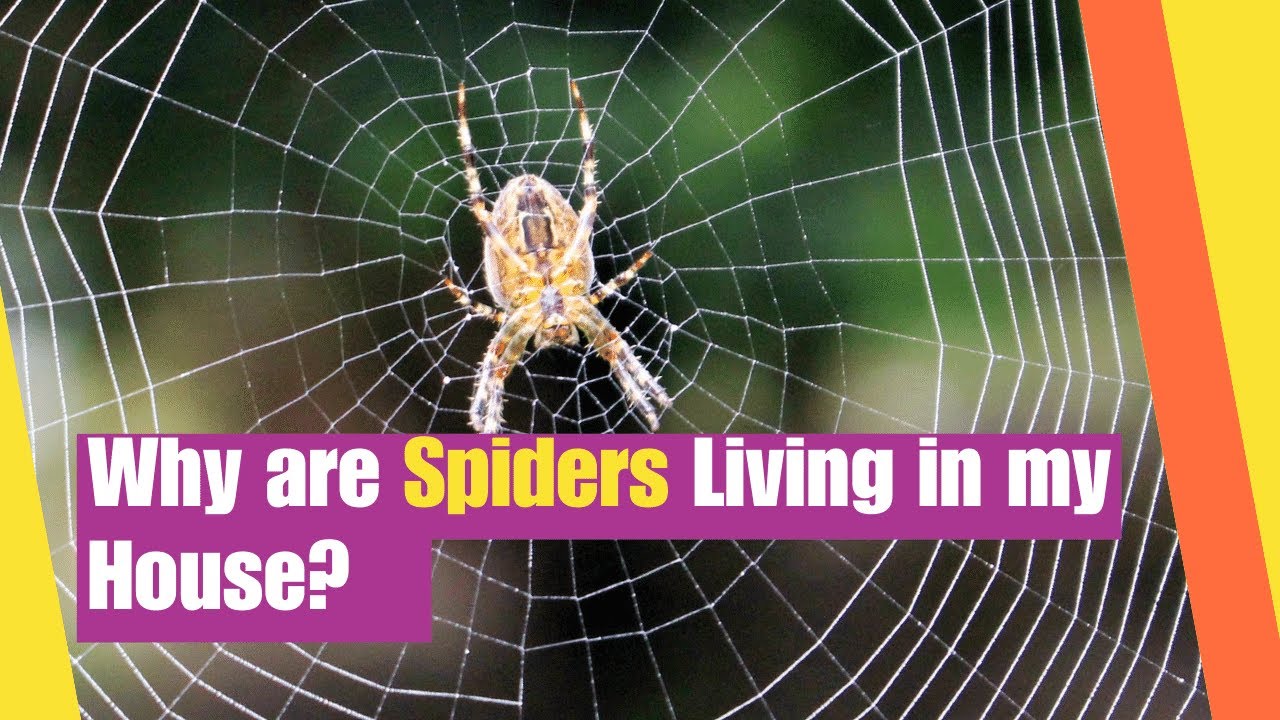 Why Are Spiders Living In My House? | Learn about the life of Spiders
This spot is chosen with care. It’s safe from birds. It’s hidden from wind. It’s a spider’s version of a five-star hotel. You wouldn’t move out of a free penthouse suite, would you?
And here’s a funny detail: some spiders build a “retreat line.” It’s a special thread leading from the web to their hideout. A personal highway. They can run to their web faster than you can scream. They are prepared.
Waiting for Love
Sometimes, the spider is a male. He’s not hunting. He’s on a dateship. He picked that spot to woo a female. He might sit there for days, plucking a special rhythm on her web like a tiny guitar.
His entire life mission is to say “hello” without being eaten. That takes patience. Moving too much could show him as a threat. Staying still shows he is a gentleman. Or a fool in love. Hard to tell, honestly.
Once he mates? He often dies. So that one spot was his final dance floor. That’s dramatic, but also kind of beautiful—in a creepy, arachnid way.
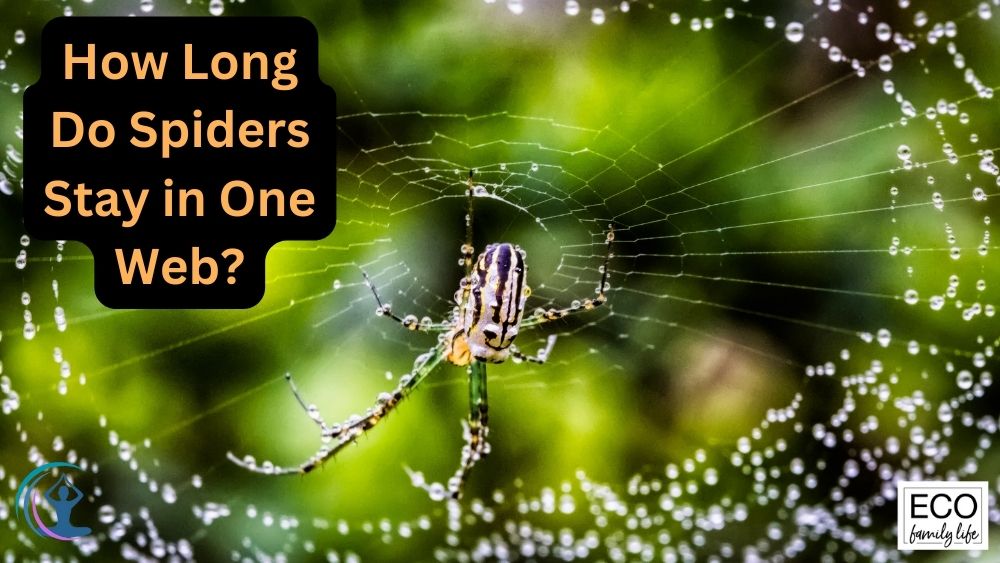 Why Do Spiders Stay In One Spot | My Projects
When They Finally Move
Of course, spiders don’t stay forever. They move when the buffet closes. If no bugs come for a week, the spider realizes the area is a food desert. Time to pack the silk suitcase.
They also move after a big storm. A damaged web is useless. They have to rebuild from scratch. That’s a lot of work. You’d be grumpy too.
But watch them when they do move. It’s adorable. They “balloon” on a strand of silk, floating on the wind. They become tiny, eight-legged astronauts. Gravity is just a suggestion to them.
The Real Answer
So why do spiders stay in one spot? Because it works. Evolution gave them a cheat code: “If it ain’t broke, don’t move.” They conserve energy. They let the food come to them. They are the ultimate minimalists.
Next time you see a spider parked on your wall, don’t judge it. Give it a nod. Say, “I respect the hustle, friend.” That spider is living the dream: a fixed address, a steady meal plan, and no rent.
Who wouldn’t stay in that spot? I certainly would. Just don’t ask me to eat flies for dinner.
