Why Do People Put Vodka In The Freezer

Ever opened a friend's freezer and found a large bottle of vodka nestled between bags of frozen peas and ice cream? You're not alone. This is a pretty common sight in househol...
Ever opened a friend's freezer and found a large bottle of vodka nestled between bags of frozen peas and ice cream? You're not alone. This is a pretty common sight in households around the world, and there's actually a solid logical reason behind it. Whether you're a casual drinker or someone who loves crafting cocktails at home, understanding why vodka finds its home in the freezer can elevate your entire experience. The practice might seem odd to outsiders, but once you learn the science and the artistry behind it, you'll never look at that frosty bottle the same way again.
The first and most obvious reason is texture and flavor. Vodka, by nature, is a distilled spirit with a smooth taste profile. When chilled to very low temperatures, the viscosity of the liquid changes noticeably. It becomes slightly thicker, almost syrup-like in consistency, which creates a more luxurious mouthfeel when you sip it neat. The cold temperature also suppresses the harsh alcohol burn that some people find unpleasant. Instead of a sharp, burning sensation on your throat, you get a mellow, silky warmth that spreads gradually. This transformation is one of the biggest reasons enthusiasts swear by keeping vodka in the freezer—it literally changes how the drink tastes and feels.
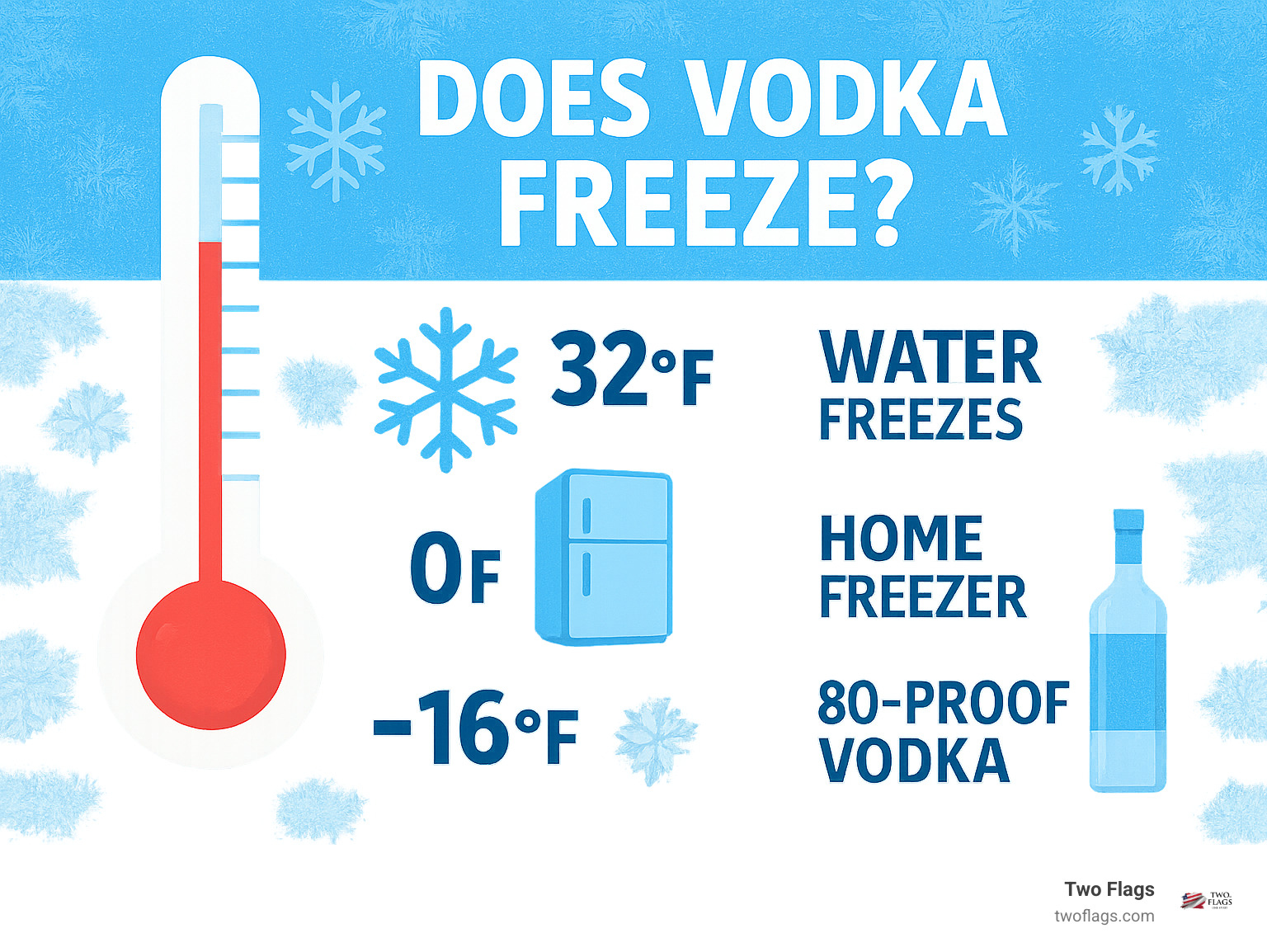
Another key point worth mentioning is that pure vodka doesn't actually freeze. Most people are surprised to learn this. Because vodka typically contains around 40% alcohol by volume, its freezing point drops well below zero degrees Fahrenheit. It can sit in your freezer at negative 8°F (-22°C) or colder and remain perfectly liquid and pourable. This is unlike water-based liquids, which would solidify flat out. That's why you can simply pull the bottle from the freezer and pour it straight into a shot glass without worrying about chipping away at a block of ice. The freezer chills it thoroughly without turning it solid, making it the ideal storage spot for achieving that optimal, ice-cold serving temperature every single time.
Must Read
Think about it practically. In real-life scenarios, having ice-cold vodka ready to go is a game changer. Imagine hosting a last-minute gathering where your guests arrive unexpectedly, and you need to serve drinks quickly. Instead of waiting around for ice to chill your glass or spending time shaking a shaker full, you can simply reach into the freezer and pour. Cocktails like a classic martini, a manhattan, or a simple vodka tonic all benefit from properly chilled spirits. Bartenders in high-end bars often keep their vodka bottles in commercial freezers for exactly this reason—to ensure every drink meets the expected standard without extra steps. Similarly, families who enjoy a casual shot before a holiday dinner or outdoor barbecue find it incredibly convenient to have a pre-chilled bottle waiting in the freezer at all times.
For those who prefer to drink vodka straight, the freezer method is almost essential. Sipping room-temperature vodka can feel aggressive and overwhelming, especially for newcomers. But when the bottle has been sitting at freezer temperature, the experience becomes markedly smoother and more approachable. You also get a different drinking ritual entirely—the bottle frosts over in your hands, the liquid plops thickly into your glass, and the coolness shocks your palate in a pleasantly invigorating way. In many Eastern European and Scandinavian cultures, where vodka consumption is deeply rooted in tradition, chilled vodka is not just preferred but practically expected as part of the proper way to enjoy the spirit. It becomes a shared cultural touchpoint, a small tradition that communities bond over.
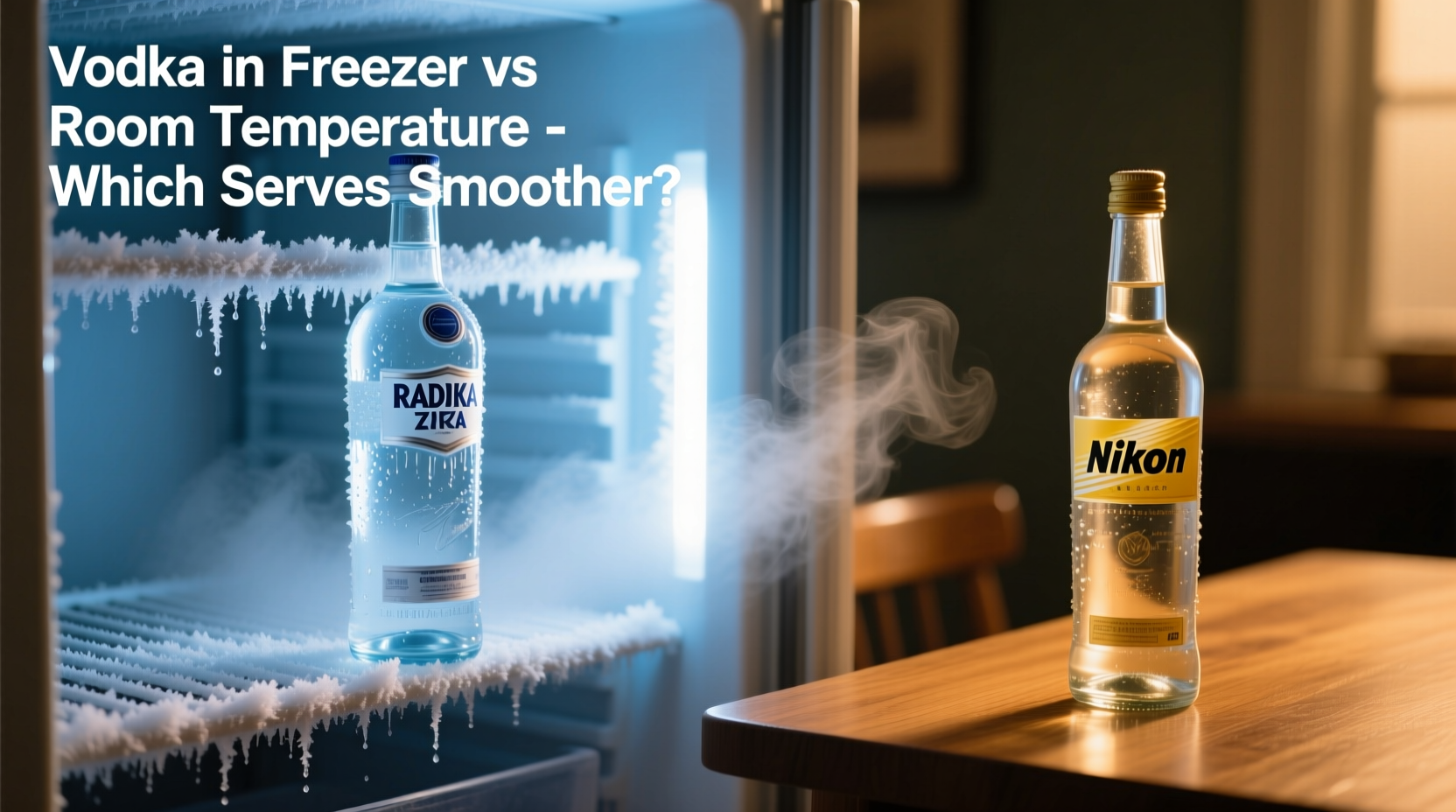 Vodka In Freezer Vs Room Temperature Which Serves Smoother
So how do you take advantage of this simple trick? First, make sure your bottle is sealed tightly before placing it in the freezer—this prevents ice crystals from forming and keeps odors from other frozen foods out. Second, give it at least two to four hours to reach optimal temperature, though leaving it overnight works just as well. Third, try experimenting with different pairings and shots once your bottle is chilled—you might discover a new favorite way to enjoy it. And finally, avoid leaving OTHER lower-alcohol spirits in the freezer, as they actually can freeze and become unusable. A little caution goes a long way.
To wrap up, putting vodka in the freezer is far more than a quirky habit—it's a practical, science-backed choice that delivers real benefits in flavor, convenience, and social enjoyment. Whether you're mixing cocktails, shooting with friends, or simply savoring a neat pour on a quiet evening, keeping that bottle frosty makes every moment a little better. It's one of the easiest upgrades you can make to your drinking experience, and once you try it, you'll wonder why you ever served vodka any other way.


