Why Didn't My Cinnamon Roll Dough Rise

Okay, let's be real for a moment. You wandered into the kitchen with big dreams — big, gooey, nonstop cinnamon roll dreams — and you came out with a flat, sad pancake-like dis...
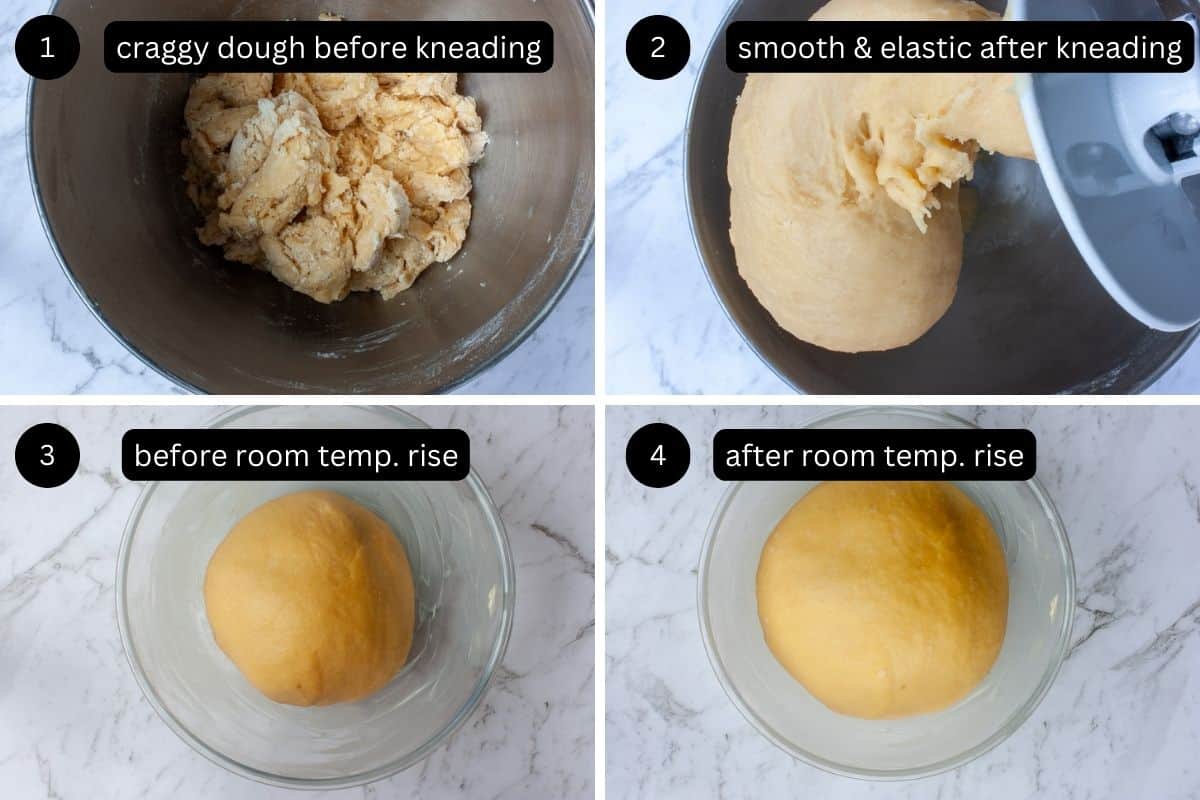
Okay, let's be real for a moment. You wandered into the kitchen with big dreams — big, gooey, nonstop cinnamon roll dreams — and you came out with a flat, sad pancake-like disaster. Sound familiar? Welcome to one of the most frustrating (and honestly, most hilarious) baking moments you'll ever experience.
But don't worry. This isn't the end of your cinnamon roll journey. In fact, understanding why your dough refused to rise might actually make baking more fun for you. Think of it as a mystery — one that has a surprisingly entertaining solution.
The Usual Suspects
First things first: let's talk about yeast. Yeast is the tiny living organism responsible for all that magical puffiness, and it's incredibly picky. If it's expired or dead, your dough is basically going nowhere fast.
Must Read
You might think, "But I just bought it!" Here's the thing — yeast is almost as dramatic as your cat. It can go inactive if it's been sitting in a warm, humid pantry for too long, even if the expiration date looks fine.
A quick fix? Proof your yeast first by mixing it with warm water and a pinch of sugar. If it doesn't foam up within five to ten minutes, you've found your culprit. Case closed… or is it?
Temperature Matters (A Lot)
Yeast loves warmth, but it hates extremes. Water that's scalding hot will kill it instantly, and cold water will just put it to sleep. You need that Goldilocks zone — around 105°F to 115°F (40°C to 46°C).
Most people opt for room temperature water, and honestly, that works beautifully too. Just avoid anything that feels too hot or too cold to the touch.
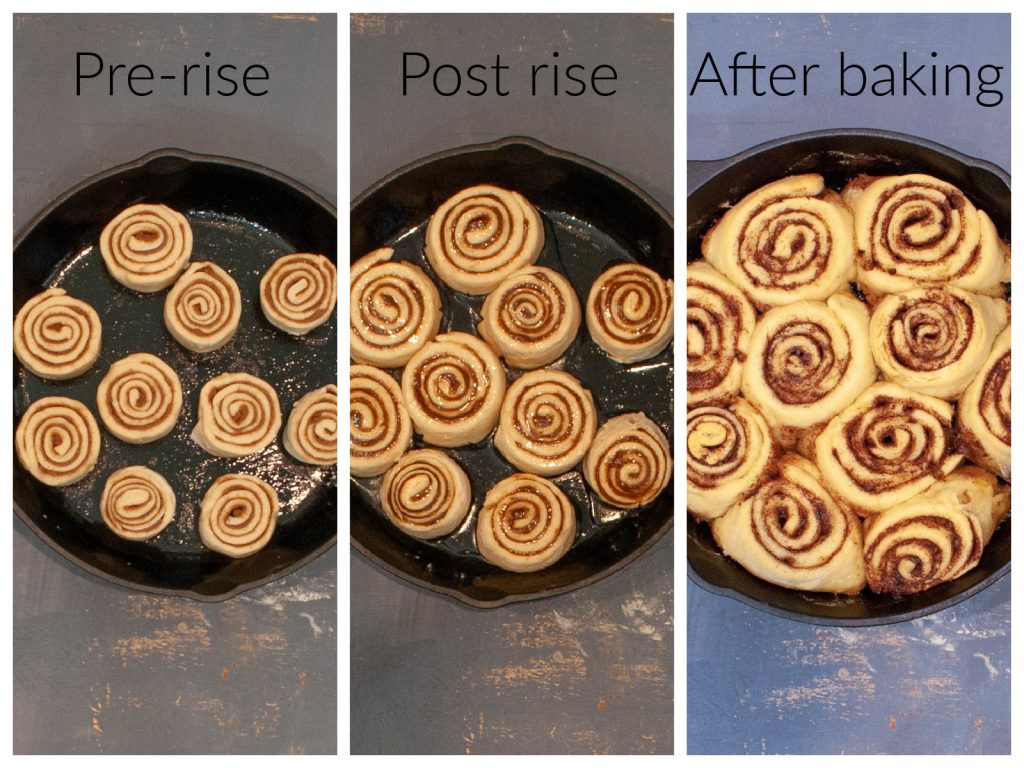 7 Reasons Why Your Cinnamon Rolls Are Dense – AWBR
If you live in a chilly house, your kitchen might actually be the problem. Yeast needs a warm environment to do its job, and a 60°F kitchen isn't giving very hospitable vibes to those little guys.
The Sugar-Flour Power Struggle
Here's a fun fact: yeast needs sugar to start feeding and producing gas. If you skipped or reduced the sugar in your recipe, your yeast didn't get its breakfast. Poor yeast, right?
But on the flip side, dumping in way too much salt right on top of the yeast is like pouring cold water on a campfire. Salt inhibits yeast activity, so always keep them separated when mixing.
Your recipe might also call for honey or another sweetener instead of regular sugar. That's totally fine — yeast doesn't discriminate when it comes to food. It just needs something to snack on.
You Just Didn't Wait Long Enough
Patience, dear friend. Dough doesn't rise on Your Schedule. It rises on Yeast's Schedule, and that little creature is never in a hurry.
 Sourdough cinnamon rolls not rising? : r/AskBaking
Most cinnamon roll dough takes around one to two hours to double in size. Some recipes even call for a slower, overnight rise in the refrigerator, which also develops better flavor.
So if you peeked at your dough after 20 minutes and declared it a failure, you might have given up on something that was just getting started. The dough and I have something in common — neither of us rushes well.
A Few More Sneaky Saboteurs
Believe it or not, the type of flour you use can affect the rise. Whole wheat flour creates a heavier dough that rises less dramatically than all-purpose or bread flour. That's not a bug — that's just how whole grains behave.
Over-kneading can also deflate all those precious air bubbles you've worked so hard to create. Handle your dough with a gentle touch, like you're comforting a cloud.
And one last trick: make sure your rising area is draft-free. Place a damp towel or plastic wrap over the bowl and tuck it somewhere cozy. Your dough might thank you for it — metaphorically, of course.
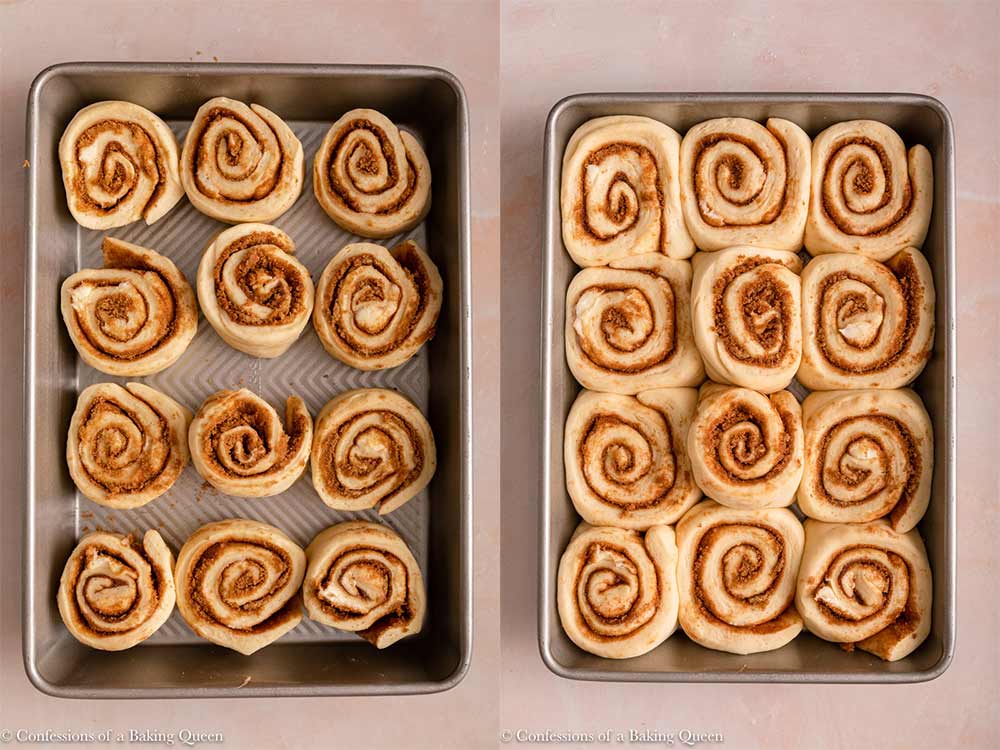 Help, Cinnamon rolls : r/AskBaking
Baking Is a Beautiful Learning Curve
Every failed rise teaches you something new about how ingredients interact. That's not a setback — that's progress in disguise. The best bakers in the world have a graveyard of flat doughs behind them.
So the next time your cinnamon rolls don't puff up, take a breath, laugh it off, and start tweaking. Change one variable at a time until you find the sweet spot — literally and figuratively.
Here's the beautiful part: baking has a way of making everyday life more exciting. A morning spent troubleshooting dough becomes an adventure rather than a chore. And there's something genuinely inspiring about effort that ends in warm, cinnamon-scented perfection.
So keep experimenting, stay curious, and never be afraid to ask the big questions — starting with "Why didn't my dough rise?" Every answer you uncover brings you closer to a kitchen filled with success and joy.
You've got this. Now go make those rolls rise!
