Why Are They Called Egg Rolls

There are few pleasures in life as universally satisfying as biting into a perfectly fried egg roll. The initial crisp shatter of the golden wrapper gives way to a savory, ste...
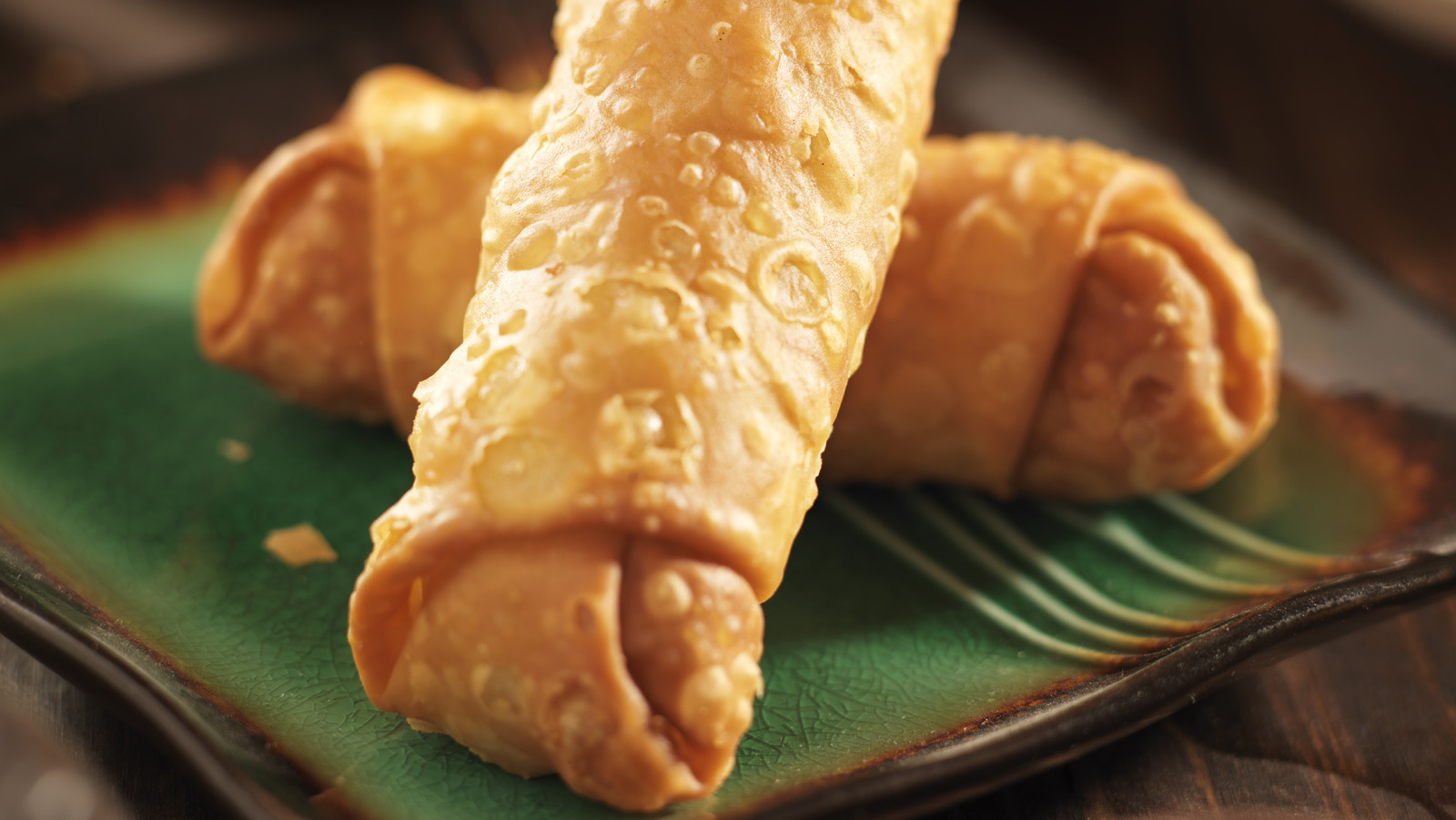
There are few pleasures in life as universally satisfying as biting into a perfectly fried egg roll. The initial crisp shatter of the golden wrapper gives way to a savory, steaming filling of cabbage, pork, or shrimp. For many, they are the quintessential start to a Chinese-American meal, offering a portable, shareable crunch that sparks conversation before the main courses arrive. Their key purpose goes beyond mere appetizer status; egg rolls provide a textural adventure and a comforting flavor profile that bridges cultures. In everyday life, they turn a simple weeknight dinner into a celebration, elevate a party platter into a crowd-pleaser, and offer a nostalgic taste of takeout tradition without ever leaving your kitchen. Imagine ending a long Monday with a basket of these golden cylinders—their warmth and crunch instantly transform a mundane evening into a small, joyful event.
But the name itself—egg roll—often leads to a curious disconnect. When you look at the ingredients list, the egg itself is rarely a prominent, visible component of the filling. This is the central mystery that drives the question: why are they called egg rolls if they don’t taste or look like an egg? The answer lies not in the filling, but in the wrapper. Traditional egg roll wrappers are made from a simple dough of wheat flour, water, and salt—and crucially, eggs. While spring roll wrappers are typically made without eggs, resulting in a leaner, more translucent texture when fried, the egg roll wrapper is enriched with egg yolks. This addition gives the dough its characteristic robust, puffy, and bubbly texture after frying, creating that blistered, golden-brown surface that is the hallmark of an egg roll. The name, therefore, is a direct reference to this key ingredient in the shell.
To further understand the name, it helps to trace the dish’s American-Chinese roots. Unlike its more delicate cousin, the spring roll, which has a long history in China, the egg roll as we know it is largely a 20th-century American invention. Legend and food historians point to New York City’s Chinese-American chefs in the 1930s and 1940s. They adapted traditional Chinese spring rolls to local tastes, using a thicker, more substantial wrapper that could stand up to deep-frying and hearty fillings like cabbage and pork. The result was a completely new food item that needed a distinct name. By calling it an egg roll, they created a simple, descriptive label that emphasized the enriched dough—a point of difference that separated it from the original, egg-free spring roll.
Must Read
This evolution highlights a broader theme: how immigrant cuisines innovate and adapt to new environments. The egg roll is a perfect example of a hybrid food born from necessity and creativity. Early Chinese-American restaurateurs didn’t just replicate their homeland dishes; they experimented with local American ingredients and palates. The egg roll’s success lies in its fusion of textures and flavors—the satisfying chew of the wrapper against the soft, savory interior. For the home cook, this history offers a valuable lesson: don’t be afraid to experiment with tradition. You can explore this by making your own wrappers from scratch, using an egg-enriched dough recipe, or by seeking out a high-quality frozen brand that lists eggs as a primary ingredient in the wrapper.
For those looking to deepen their appreciation, a simple tip is to read the ingredients list on the package. The presence or absence of egg in the wrapper will explain a lot about the final texture. Many commercial egg rolls use enriched pastry, but authentic versions rely on the dough recipe. Another great way to explore is to make a side-by-side taste test: fry up a classic spring roll (with a thin, eggless wrapper) and a classic egg roll. Notice how the spring roll stays crunchier but thinner, while the egg roll puffs up. This hands-on comparison will make the name’s origin tangible and memorable. Finally, consider the filling variations, as the wrapper is only half the story. Experiment with fillings that complement the sturdy, egg-rich shell, such as shredded barbecue pork, water chestnuts for crunch, or even a touch of hoisin sauce for sweetness.
 Where Did Egg Rolls Get Their Name?
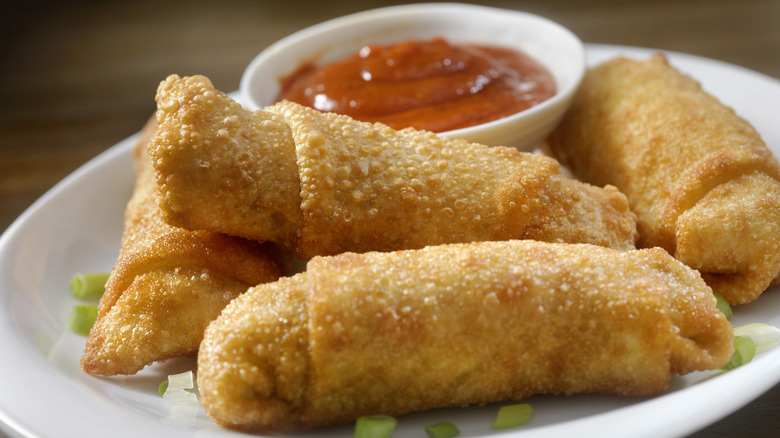
The name “egg roll” might seem like a culinary misnomer at first glance, but it is actually a perfectly accurate descriptor. It points directly to the single most important ingredient that defines its architecture: the egg in the wrapper. This small detail unlocks a whole world of food history, innovation, and texture. So the next time you bite into that golden, crispy shell, you can appreciate that the egg is doing the heavy lifting—not in your mouth, but in the dough itself. It is a name that celebrates a clever adaptation, a gift from immigrant kitchens to the American table, and a reminder that sometimes the most delicious things are named after the humble ingredients that make them extraordinary.
Ultimately, understanding why they are called egg rolls adds a layer of connection and curiosity to an everyday pleasure. It transforms a simple appetizer into a conversation piece, a link to a rich culinary story. The next time you serve them at a family gathering or enjoy them as a late-night snack, you are not just eating—you are participating in a tradition of cultural exchange and delicious invention. So go ahead, crunch into that golden shell, and relish the knowledge that you are savoring a masterclass in adaptation, with the humble egg as its unexpected star.
