Why Are Potstickers Called Potstickers

Have you ever bitten into a crispy-silky dumpling and wondered: why exactly are these called "potstickers"? It's one of those names that sounds almost too literal. Like, they...
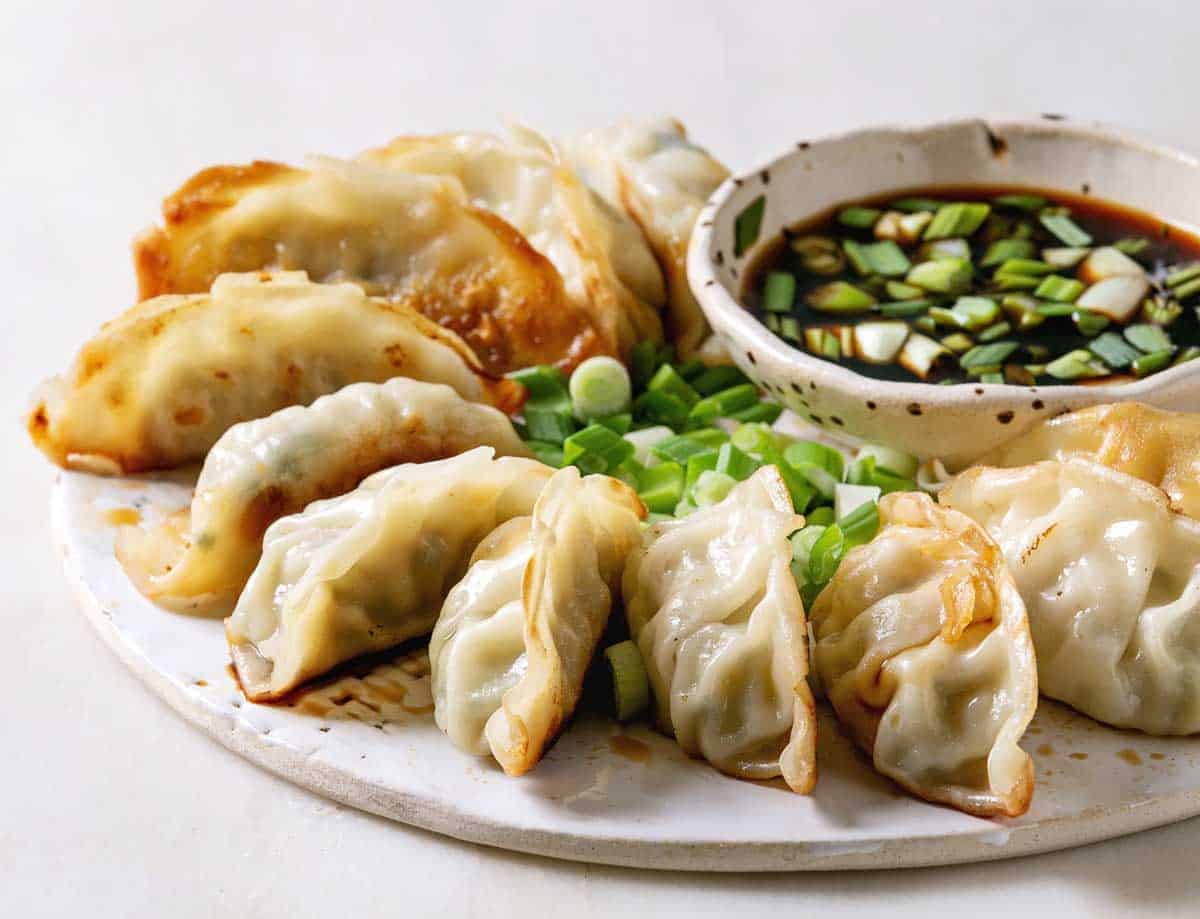
Have you ever bitten into a crispy-silky dumpling and wondered: why exactly are these called "potstickers"? It's one of those names that sounds almost too literal. Like, they literally stick to pots? Yep, that's pretty much it.
But there's more to it than just a kitchen mishap. The story behind the name is actually kind of charming. Think of it like a tiny dumpling that refused to give up on life.
The Simple Origin
Potstickers, known in Chinese as guōtiē (鍋貼), get their name from the way they're cooked. They're placed at the bottom of a pot or pan and seared until golden. During that process, they tend to stick to the pot — hence the name.
Must Read
It's not a stretch, right? Unlike boiled dumplings that stay swirling around like little boats, potstickers belly-flop onto the pan and stay there. And honestly? That stubborn horizontal attitude gives them that signature crispy bottom we all love.
You could compare it to calling someone "Stubborn Steve" because he never leaves a seat. The name just tells you exactly what happened in the kitchen.
How They're Actually Made
Potstickers start like any other dumpling — a thin wrapper wrapped around a filling of pork, shrimp, cabbage, or whatever you're feeling. The twist comes in the cooking method. You place them in a hot pan bottom-side down with a little oil.
Then here's where the magic happens: you add water and cover the pot, letting them steam. The water evaporates, the bottom goes golden and crispy, and the top becomes soft and chewy. Two textures in one bite? That's basically a dumpling giving you the best of both worlds.
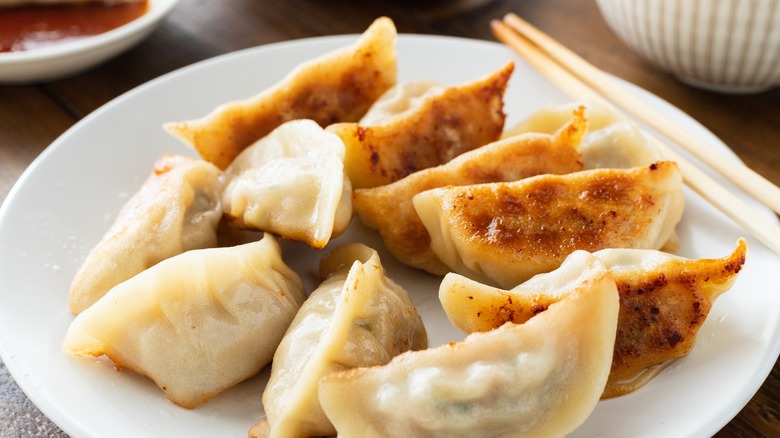 Why Potstickers Are Sometimes Called 'Peking Ravioli' In Boston
The sticking part usually happens if you're not careful or if the pan isn't seasoned well enough. But skilled cooks know how to prevent that — even when the cooking method basically invites it.
You Say Potsticker, I Say...
Here's where it gets fun. Potstickers are connected to dumplings from so many kitchens around the world. Japanese gyōza, Korean mandu, and even Georgian khinkali all share that same dumpling DNA. It's almost like families who moved into different neighborhoods.
The Japanese version, gyōza, actually came about after World War II when soldiers returned from China and tried to recreate the dumplings they'd tasted. So potstickers sort of have a wild family tree that spans continents.
And every version does things a little differently. Some are juicier, some are crispier, some are steamed first — but they all root back to the same idea: wrapped filling, cooked in a pot.
 Potstickers
Why the Name Sticks (Pun Intended)
"Potsticker" is just such a satisfying word. It rolls off the tongue and paints a picture right away. Unlike fancy restaurant-plated names, this one feels honest and cozy.
There's something almost humorous about naming food after its biggest flaw. It's like calling your messy kid "Messy Max" — somehow, they grew into it and became lovable. The imperfection became the brand.
And unlike some food names that need an essay to explain, potsticker is self-explanatory. Confused person: "Why is it called a potsticker?" Confident answer: "Because it sticks to pots." End of mystery.
Fun Facts to Share at Dinners
Here's a good conversation starter: in China, potstickers are traditionally crescent-shaped but loosely sealed on top. That allows steam to escape and helps only the bottom develop that iconic crunch. American potstickers are often fully sealed, making them more bonnet-shaped.
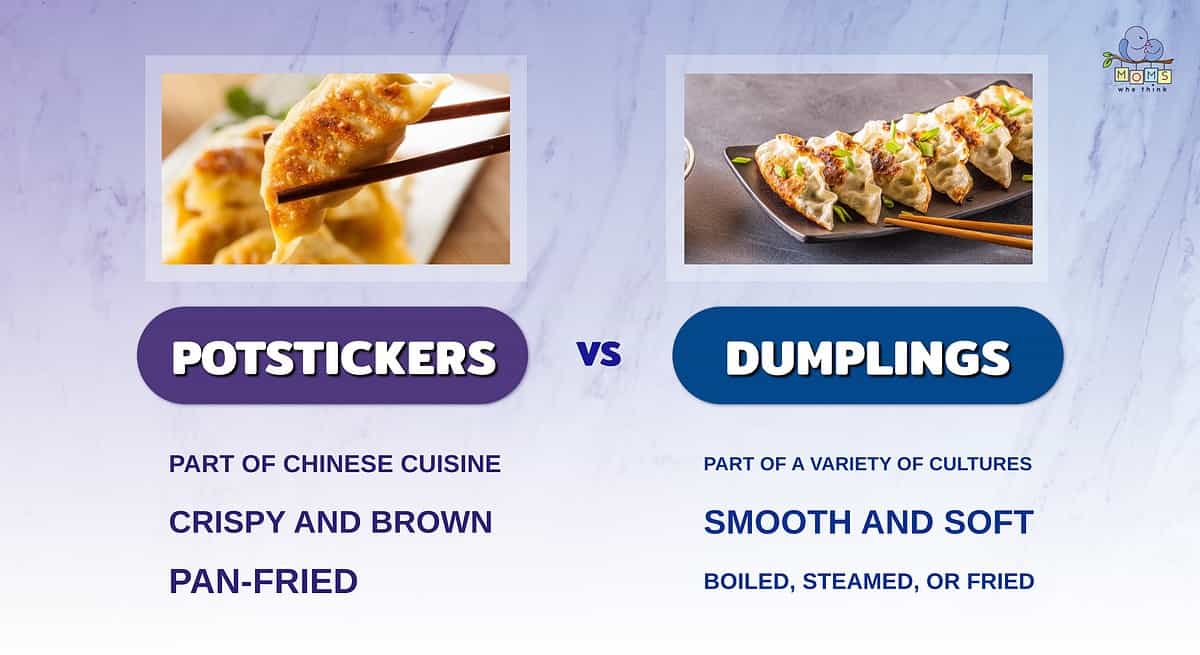 Potstickers vs Dumplings: 5 KEY Differences You Need to Know
Also, some chefs actually encourage light sticking during cooking. The micro-layer left on the pan isn't a failure — it's flavor. It's sugar and starches caramelising in all the right places.
And here's a fun one: the largest potsticker ever made weighed over 100 pounds. That's a pot that would stick to anything it touched.
The Bigger Picture
Food names often come from the most random, wonderfully human moments. Someone saw a dumpling stuck to a pot and shrugged, "Okay, potsticker then." Same energy as naming a crop after where a cat sat on it.
What makes it cool is that the name carries a story. Every time you say "potsticker," you're repeating a little moment of kitchen curiosity that happened decades ago.
So next time you're enjoying one of those satisfyingly crunchy-bottomed bundles, take a moment. You're eating a dumpling that got so stubborn in a pan, the world just decided to call it the one that sticks to pots.
