Why Are My Chia Seeds Not Expanding

You know that moment of hope? You sprinkle your chia seeds into your jar of water or milk, give it a good stir, and walk away. You imagine coming back to a perfectly thick, pu...

You know that moment of hope? You sprinkle your chia seeds into your jar of water or milk, give it a good stir, and walk away. You imagine coming back to a perfectly thick, pudding-like delight, ready for a spoonful of pure health. But instead, you return to a glass of sad, floating seeds that look exactly the same as they did five minutes ago. If this has happened to you, you’re not alone. It’s one of the most common kitchen frustrations of the wellness world.
Let’s be real: chia seeds are supposed to be little miracle workers. They absorb liquid and create that satisfying gel that turns any drink into a filling snack. When they don’t expand, it feels like a betrayal. But before you swear off pudding forever, let’s solve this mystery. The answer is usually simpler than you think, and it has nothing to do with your luck or your kitchen skills.
The biggest culprit: old seeds
Think of chia seeds like a sponge that’s been left in the sun too long. Over time, they lose their moisture-absorbing power. If your bag of seeds has been sitting in the back of your pantry for six months or a year, they might just be too old to do the job. Fresh chia seeds should plump up within 15 to 20 minutes.
Must Read
You can test this easily: put a teaspoon of seeds in a small bowl with three tablespoons of water. If they haven’t visibly swelled after ten minutes, your seeds are past their prime. It’s like expecting a deflated balloon to bounce back—sometimes, the magic is just gone. Time to buy a fresh bag.
Water temperature matters more than you think
Here’s a fun truth: chia seeds are picky about their bath temperature. Using ice-cold water straight from the fridge can slow down the gelling process dramatically. They’ll still expand eventually, but it might take an hour instead of 15 minutes. That feels like an eternity when you’re hungry.
On the flip side, super hot water can sometimes kill the seeds’ ability to gel. The sweet spot is room temperature or slightly warm water. Think of it like making oatmeal—you wouldn’t use freezing cold milk and expect creamy results in five minutes, right? Give your chia seeds a comfortable soak, and they’ll reward you.
 Do Chia Seeds Expand
Too much liquid is a silent problem
This one catches people off guard. If you use too much liquid, your seeds will still expand, but the gel becomes so thin you can barely see it. It looks like they’re just floating there, doing nothing. The ratio should be about one part seeds to three or four parts liquid. Any more water than that, and you get a watery mess that looks like a failed science experiment.
Picture this: you’re making lemonade, but you dump in ten times the water. The lemon flavor disappears. Same deal here. The seeds are doing their job, but the gel is too diluted to notice. Next time, measure your liquid, or just add a little less water and see what happens.
You might be using acidic liquids
Here’s a little-known fact: chia seeds love neutral liquids like water, milk, or coconut milk. But they struggle in acidic environments. If you’re mixing them into lemon juice, orange juice, or a tangy smoothie, the acid can prevent the gel from forming properly. It’s like trying to build a sandcastle in vinegar—it just doesn’t hold together.
Don’t get me wrong, you can still add chia to acidic drinks! Just give them a head start. Let the seeds soak in a little water first for ten minutes, then mix that gel into your citrusy drink. You’ll get the nutrition without the disappointment.
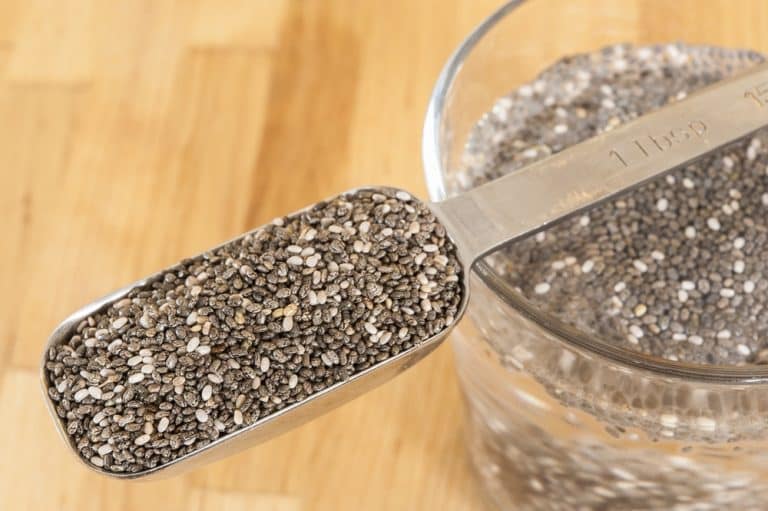 Why Are My Chia Seeds Not Swelling? (3 Reasons) - Miss Vickie
Stirring too much (or too little)
I’ll admit, I used to stir my chia seeds once and walk away. Big mistake. The seeds need a good initial stir to avoid clumps. If you don’t break them up right away, they form a dry crust on top and never really expand underneath. It’s like not mixing pancake batter—you end up with lumps.
On the other hand, stirring them every five minutes can actually break up the gel network as it forms. The trick is simple: stir briskly for about 30 seconds at the start, then leave them alone. Trust the process. They don’t need your constant attention, just a proper introduction to the liquid.
Why you should care about this
You might think, “So what if my seeds don’t expand? I’ll just eat them crunchy.” Well, yes, you technically can, but here’s the deal: chia seeds are most effective for digestion and hydration when they’ve gelled. That gel helps you feel full longer, stabilizes blood sugar, and even protects your gut. Eating them dry can actually cause minor stomach discomfort for some people. So getting them to expand isn’t just about pudding aesthetics—it’s about getting the real health benefits you bought them for in the first place.
Plus, let’s be honest: there’s something deeply satisfying about watching a humble seed turn into a plump, juicy little sphere. It’s a small victory in a chaotic day. So grab a fresh bag, use room-temperature water, measure your liquids, and give those seeds the love they deserve. They’ll thank you by becoming the perfect, jiggly breakfast you’ve been dreaming of. And if all else fails? Just call it “chunky tea” and move on with your life. No judgment here.
