Why Are My Banana Peppers Spicy

So you bought a jar of banana peppers, expecting that mild, tangy crunch you use to top your pizza or stuff into a sub. You pop one in your mouth, and suddenly your tongue fee...
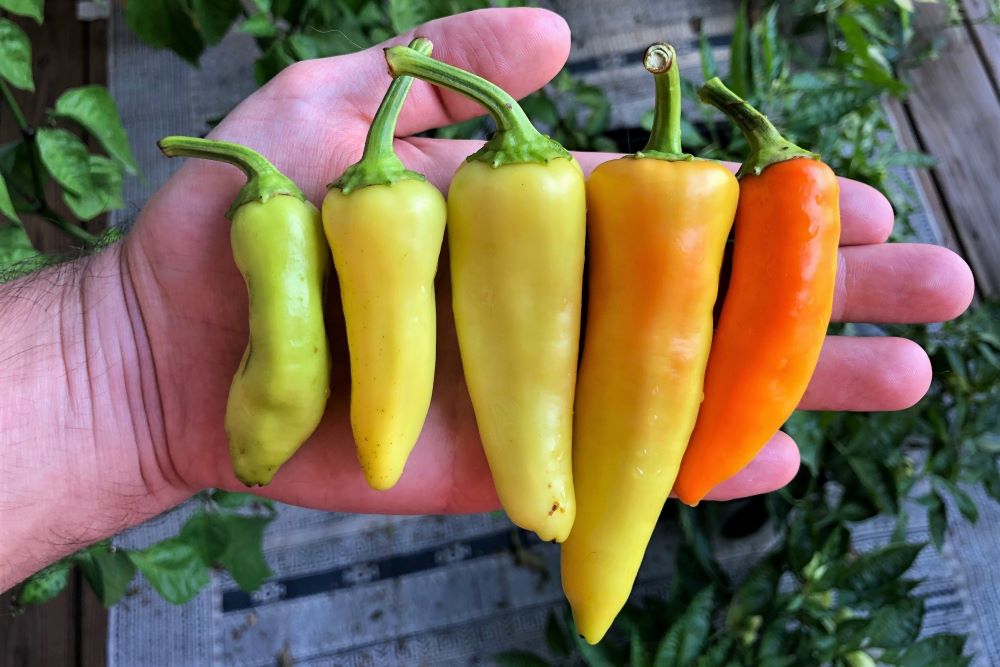
So you bought a jar of banana peppers, expecting that mild, tangy crunch you use to top your pizza or stuff into a sub. You pop one in your mouth, and suddenly your tongue feels like it’s been wrestling a badger. Welcome to the club. The question burning on your lips (and your esophagus) is: Why are my banana peppers spicy?
Let’s get one thing straight: banana peppers are supposed to be sweet. That’s their brand. They’re the golden-retriever of the pepper world—friendly, predictable, and zero bite. But sometimes, you bite into one and it tastes like it’s been taking lessons from a jalapeño. This isn’t a mistake. It’s nature’s prank, and you’re the punchline.
The Spiciness Glitch: It’s All About Genetics
Here’s the truth: banana peppers are genetically programmed to produce a chemical called capsaicin—that’s what makes peppers spicy. But most banana peppers have the capsaicin factory set to “off.” Think of it like a light switch: normally, the switch is down, so you get zero heat. But sometimes, that switch gets flipped by accident.
Must Read
Why? Because banana peppers are mutants. No, really—they’re a mutated strain of the same species as chili peppers. Imagine a gorilla that suddenly decides to act like a chihuahua. That’s a banana pepper. But every once in a while, a recessive gene kicks in, and that gorilla remembers it can scream. Boom—spicy banana pepper.
Farmers fight this by carefully controlling pollination. If a banana pepper plant grows too close to a habanero or serrano plant, the bees play matchmaker. A bee carries spicy pollen, dusts your sweet pepper’s flower, and suddenly you’ve got a pepper that can’t be trusted at family dinners. It’s floral identity theft.
Heat Exposure: The Sun Is Your Enemy (and Your Tongue’s)
Here’s a fun fact: stress makes peppers spicy. Just like humans get snappy when they’re overwhelmed, pepper plants get spicy when they’re stressed out. Too much sun, not enough water, a drought, or even a sudden cold snap—your banana pepper plant thinks the world is ending, so it pumps out capsaicin as a desperate cry for help.
That capsaicin is the plant’s way of telling animals, “Back off, I’m mean.” It’s a biological scream. So if your banana pepper grew during a heatwave, it’s not a pepper anymore—it’s a tiny, orange rage device. That’s why a batch from one season can be sweet, and the next season’s crop tastes like a dragon sneezed on it.
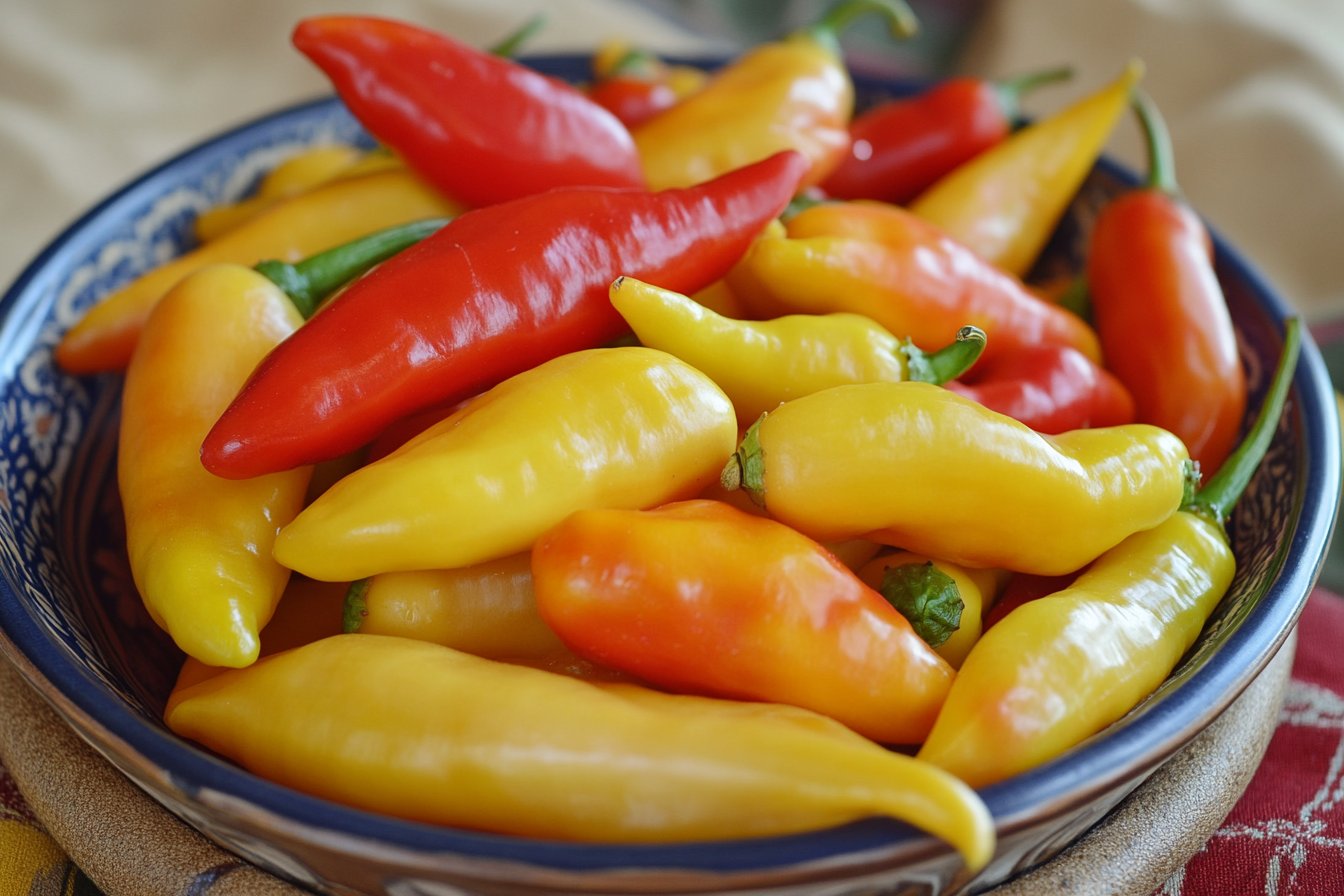 Spicy Banana Peppers
The same pepper variety grown in cooler weather? Zilch. Grow it in Arizona in July? Congratulations, you’ve got hot wreckage. Your salad is now a punishment.
The Picking Trick: Picking Wrong Makes You Pay
Believe it or not, ripeness matters. Banana peppers are usually picked when they’re yellow-green and still young. That’s the sweet spot. But if the farmer is lazy or the pepper gets left on the vine too long? It turns red. A red banana pepper is a spicy banana pepper. The heat builds as it matures, like a fine wine, but with more crying.
So if you slice into a banana pepper that’s deep orange or red, you’re eating a pepper that went through its spicy rebellious phase. It’s a senior citizen with a grudge. Toss it in the trash unless you want to take a test-drive through Hell.
The Branding Conspiracy: “Mild” Is a Lie
Now, let’s talk about the jar you bought. It says “mild.” You trusted it. Never trust a jar. In the pickling industry, “mild” is a suggestion, not a guarantee. Many brands mix banana peppers with other chili peppers for color or flavor, and they don’t tell you. You bite into what looks like a innocent yellow ring, but it’s actually a Hungarian wax pepper in disguise—a pepper that burns like a tax audit.
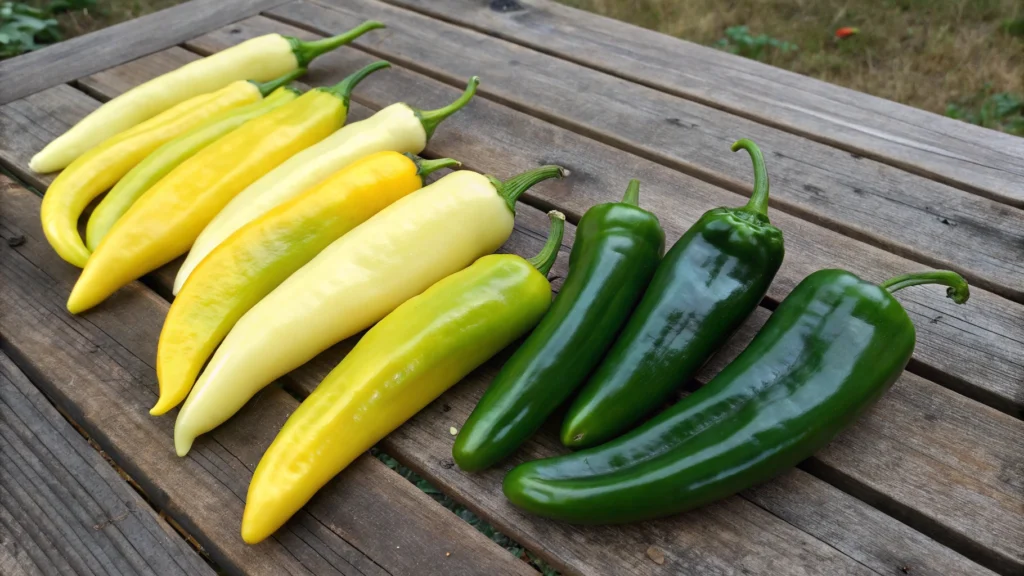 Are Banana Peppers Spicy? – Emily Recipe – Where every Recipe Tells a
Hungarian wax peppers look identical to banana peppers but pack 10 times the heat. Some producers sneak them in because they’re cheaper or because they think you deserve a surprise. It’s produce gaslighting. Your tastebuds will question reality.
What Can You Do? (Spoiler: Not Much)
If you get a jar of spicy banana peppers, your first instinct might be to cry. That’s valid. But you can fight back. Soak them in vinegar or lemon juice for an hour—acids neutralize some capsaicin. Or, if you’re desperate, eat a spoonful of yogurt before you eat the pepper. It’s like putting a fire blanket on your tongue.
But the real solution? Buy from a trusted source. Or grow your own banana peppers and isolate them from spicy neighbors. Give them a desert of love. And if all else fails, just accept it: sometimes, the universe gives you a mild-looking pepper that wants to attack your soul. Eat it anyway. You’ll build character.
So next time you ask, “Why are my banana peppers spicy?” remember: it’s not you, it’s the pepper’s dysfunctional family history. Blame the genes, the weather, the bee, and the farmer. But don’t blame yourself. You were just trying to eat a sandwich.
