Why Are Clams Referred To As Filter Feeders

Welcome to the fascinating underwater world of clams! These humble mollusks may seem unassuming at first glance, but they play a vital role in keeping our oceans, rivers, and...
Welcome to the fascinating underwater world of clams! These humble mollusks may seem unassuming at first glance, but they play a vital role in keeping our oceans, rivers, and lakes clean. Understanding why clams are called filter feeders opens the door to appreciating one of nature's most elegant survival strategies. Whether you're a curious nature lover, a beach enthusiast, or someone who simply enjoys shrimp and clam chowder, this article will help you discover how these creatures quietly polish the water around them while nourishing themselves in the process. Best of all, it's a topic that's both surprisingly fun and immediately useful to everyone who cares about healthy ecosystems.
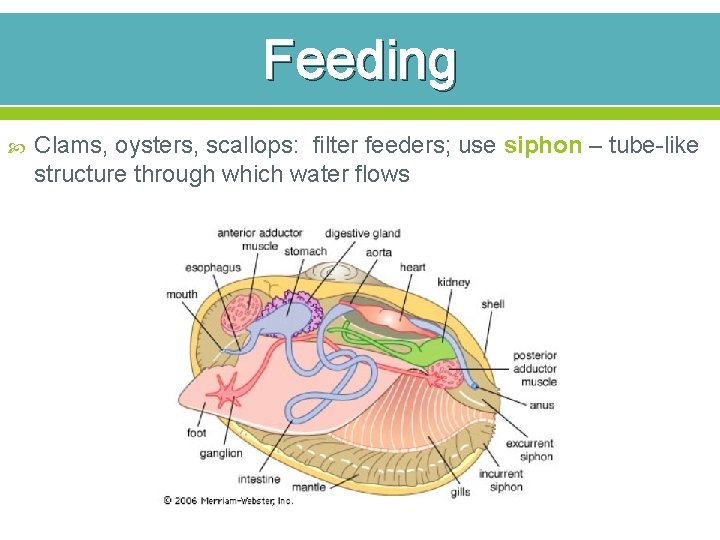
So, what exactly does it mean to be a filter feeder? In simple terms, a filter feeder is an organism that obtains its food by straining particles out of the water passing through its body. Clams accomplish this through a remarkable biological system. Water is drawn into the clam's shell through an opening called the incurrent siphon, passes over a pair of feathery gills, and then exits through the excurrent siphon. As water flows over the gills, tiny food particles — like plankton, algae, bacteria, and detritus — get trapped in a layer of sticky mucus on the gill surfaces. Specialized cilia then transport this food to the clam's mouth. In other words, the clam doesn't chase its dinner; it simply opens its mouth and lets the ocean deliver it.
The advantages of this feeding strategy are truly impressive. Energy efficiency is one of the biggest benefits. Since clams don't need to actively hunt or forage, they conserve fuel for growing, reproducing, and defending themselves. Filter feeding also allows clams to process enormous volumes of water — a single large clam can filter up to 40 gallons of water per day. This means they can thrive in environments where food is spread thinly across the water column rather than concentrated in one spot. Additionally, their low-profile, buried-in-sediment lifestyle makes them excellent at staying hidden from predators while they feed safely within their hard shells.
Must Read
Clams also serve as nature's water purifiers, and this is where their ecological importance truly shines. By filtering water continuously, they remove suspended particles, excess nutrients, and harmful microorganisms, dramatically improving water clarity and quality. In estuaries and coastal zones, beds of clams can create waters so clear that sunlight penetrates deeper, allowing seagrasses and other photosynthetic organisms to flourish. That's a cascading benefit — better water clarity supports more plant life, which in turn provides habitat and food for countless fish and invertebrates. Clam filter feeding is essentially a free, natural, round-the-clock water treatment system that no engineer could replicate so elegantly.
Here's a creative way to think about it: imagine clams as tiny living vacuum cleaners on the seafloor. Each one quietly sucks water in, scrapes out all the junk, and pushes out clean water. Now imagine thousands or millions of them working together across a bay — the result is a dramatically cleaner environment than you'd get without them. Some restoration projects even deliberately reintroduce clam beds to polluted waterways because they prove so effective. The 2010s vastly documented cases in Chesapeake Bay showed that restoring clam populations led to measurable improvements in water conditions within just a few seasons. Nature's original filter, right there.
 Golden freshwater clam filter feeding – Markus Ruchter illustration
If you'd like to experience filter feeding in action, try these practical tips. First, visit a rocky tide pool at low tide and look for exposed clam siphons poking just above the sand — you'll often see water being drawn in and expelled in a visible stream. Second, buy a few live clams from a seafood market, place them in a bowl of cloudy water, and watch the water gradually become clear over several hours; it's a mesmerizing at-home experiment that kids absolutely love. Third, consider supporting oyster and clam restoration projects in your local community — many regions run volunteer programs where you can help plant new beds. Even reading labels on sustainable seafood choices teaches you to appreciate which species are doing this incredible work in the wild.
Ultimately, understanding why clams are called filter feeders reminds us how interconnected marine life really is. These quiet, unassuming creatures are working tirelessly beneath the surface to keep our waters healthy, our ecosystems balanced, and our food chains thriving. Next time you crack open a clam dinner, you'll know you're enjoying the work of one of nature's most efficient and important small engineers. Clams don't need to be loud to be powerful — they just need to keep filtering, one gentle wave at a time.