Why Are Chicken Breasts So Tough Lately

For years, chicken breast has been the go-to lunch meat, dinner centerpiece, and fitness-friendly protein of choice for families, dieters, and home cooks alike. It is the most...

For years, chicken breast has been the go-to lunch meat, dinner centerpiece, and fitness-friendly protein of choice for families, dieters, and home cooks alike. It is the most widely purchased cut of poultry in many households, prized for being lean, versatile, and budget-friendly. But lately, something has changed. More and more people notice that their chicken breasts seem rubbery, dry, and stubbornly tough when cooked — even when they swear they are following the same methods they used for years. The problem is real, and it is worth understanding so we can get back to enjoying this everyday staple without frustration.
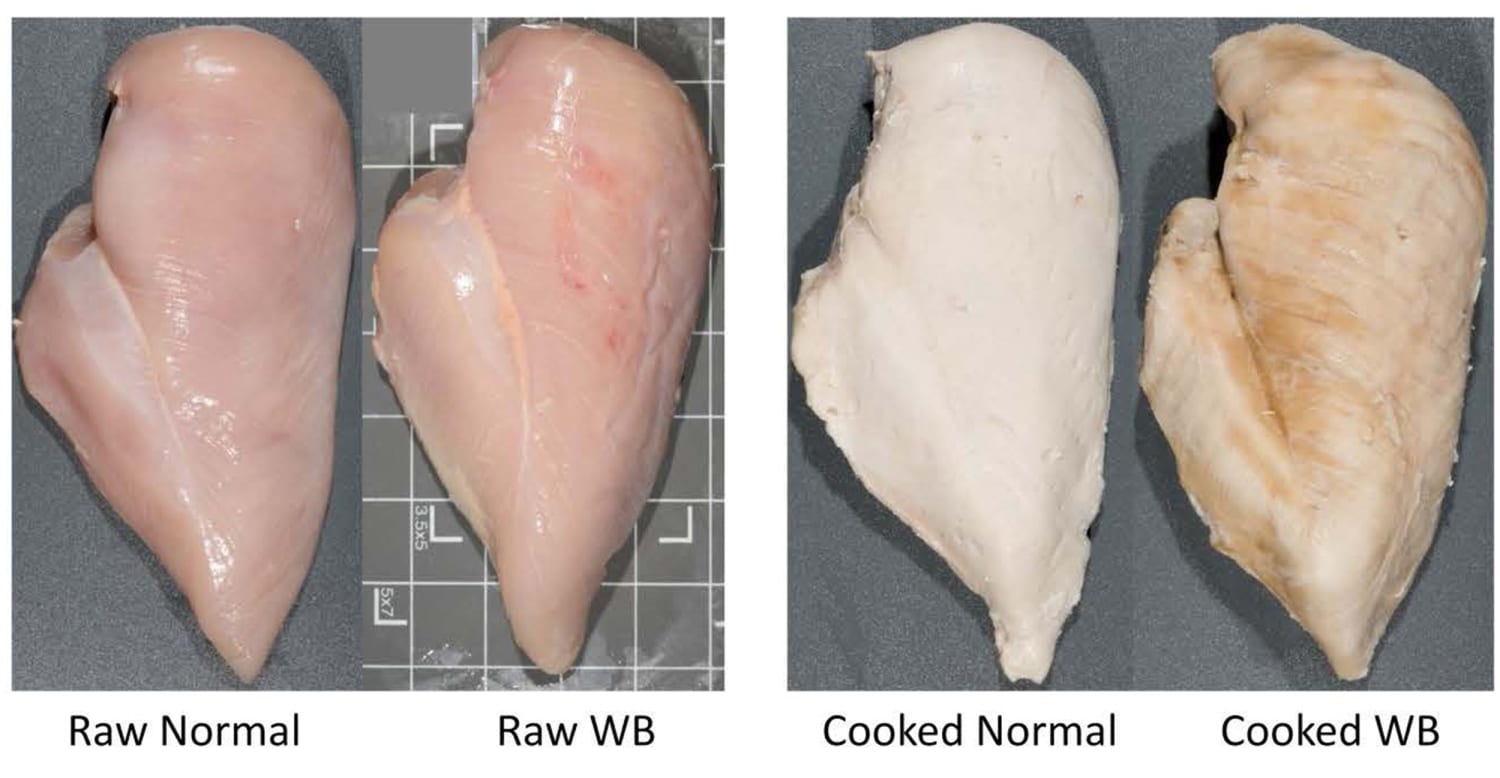
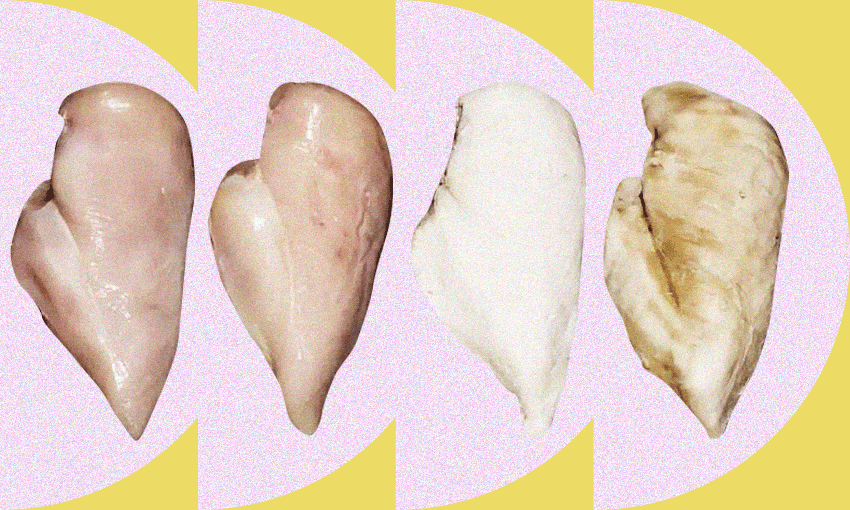
One of the biggest reasons chicken breasts feel tougher now comes down to industry science and breeding. Commercial poultry operations have been selecting birds over several generations for rapid growth and maximum yield. Modern broiler chickens are bred to reach market weight in record time — often in just six weeks — while developing larger, denser pectoral muscles that produce the thick, uniform breast fillets we see on grocery shelves. This is great for producers who want more meat per bird, but it can result in muscle fibers that are longer, tighter, and denser than those of slower-growing heritage breeds. The rapid muscle development can leave behind less connective tissue breakdown during normal cooking, which translates directly into a chewier, tougher eating experience.
Another factor that catches many cooks off guard is pre-packaged and processed chicken. If you have noticed the change recently, it may correlate with growing retailer demand for consistent, pre-brined, or pre-marinated chicken breasts. Many commercially sold breasts now arrive at the store treated with a salt and phosphorus solution designed to lock in moisture during storage and transport. While this solution helps keep the meat from drying out on the shelf, it can alter the texture of the protein fibers. Over time, repeated exposure to these additives can make the muscle tissue behave differently under heat, sometimes resulting in a rubbery snap or a dense, fibrous bite that feels disappointingly tough. Many consumers buy what looks like a fresh, plump chicken breast and are surprised to discover the texture does not match the quality they remember from a decade ago.
Must Read
Cooking habits and common protein mistakes in the kitchen certainly contribute to the overall perception that chicken breasts are "reliably tough" nowadays. Because commercial chicken breasts tend to be thicker and more uniform than they once were — some reaching an inch and a half or more in thickness — they require adjusted cooking times and temperatures. A home cook who pulls a breast off the heat at the old familiar time of twelve minutes may be either undercooking the center (leaving it rubbery) or doing what many do to be safe: overcooking it past 180 °F until it is bone dry. Another overlooked step is aging or resting. Letting meat rest for a few minutes after cooking allows juices to redistribute rather than escape the moment you slice, and skipping this step can absolutely leave a breast that feels tough and stringy. Some cooks have quietly abandoned their reliable five-step recipe only to discover the real culprit was an ounce or two of over-doneness hiding behind unfamiliar meat thickness.
To enjoy tender, juicy chicken breasts at home despite these changes in the supply chain, there are several practical approaches worth adopting. Start by giving your chicken a quick soak in a strong brine or buttermilk — salted water with a tablespoon of sugar for thirty minutes is a proven method; the brine penetrates the fibers and helps them hold moisture through cooking. Next, consider butterflying or pounding your chicken breasts to an even half-inch thickness before cooking, removing the guesswork about thickness altogether and reducing the window for overcooking. A gentle marinade with acidic ingredients such as yogurt, lemon juice, or vinegar can weaken protein bonds on the surface, giving you a noticeably softer bite. Finally, adopt a two-stage cooking method — sear briefly over high heat to build flavor, then finish in a low oven or covered pan so the interior stays tender. Pay close attention to an internal temperature of 165 °F; pulling the breast just as it reaches that mark, then letting it rest five minutes, consistently yields a juicier result than ever.
 Tough Chicken | BobIsTheOilGuy
Choosing where you buy your chicken also matters. Option out of fully processed, pre-injected cuts and head to local or farm-direct sources where birds are raised more slowly on pasture, producing a meat that mirrors the gentler texture people remember from years past. Farmers' markets, small butcher shops, and specialty online retailers offer these alternatives at accessible price points. For families trying to balance budgets with quality, purchasing bone-in, skin-on chicken thighs instead of breasts — at least for some meals — can make a noticeable difference in both texture and cost.
Chicken breast remains one of the most important everyday proteins in kitchens around the world, and understanding why it has changed helps us adapt rather than abandon it. By learning which factors in the modern supply chain affect texture and by adjusting our own cooking techniques alongside those changes, we can restore the chicken breast experience our families expect. The knowledge is empowering: slightly better sourcing, a smarter brine or marinade, and a pair of minutes of resting time are all small habits with an outsized impact on taste. Set against the backdrop of growing demand for affordable, protein-rich meals at home, these adjustments keep the chicken breast as relevant, enjoyable, and tender as it deserves to be. With a little awareness in the kitchen, the toughness problem is easier to solve than most people think — and dinner gets better along the way.