Whole Grain Vs Stone Ground Mustard

A simple hot dog, a hearty sausage, or a sophisticated cheese plate—what often elevates these everyday bites from ordinary to memorable is the sharp, tangy kick of mustard. Ye...

A simple hot dog, a hearty sausage, or a sophisticated cheese plate—what often elevates these everyday bites from ordinary to memorable is the sharp, tangy kick of mustard. Yet, standing before a shelf of varieties, the choice between whole grain and stone ground can be surprisingly perplexing. Both are celebrated for their rustic character, but they offer distinct experiences that cater to different moods and meals. Understanding their key differences isn't just culinary trivia; it’s a tool for adding texture and nuance to your daily cooking, transforming a simple sandwich into a deliberate delight.
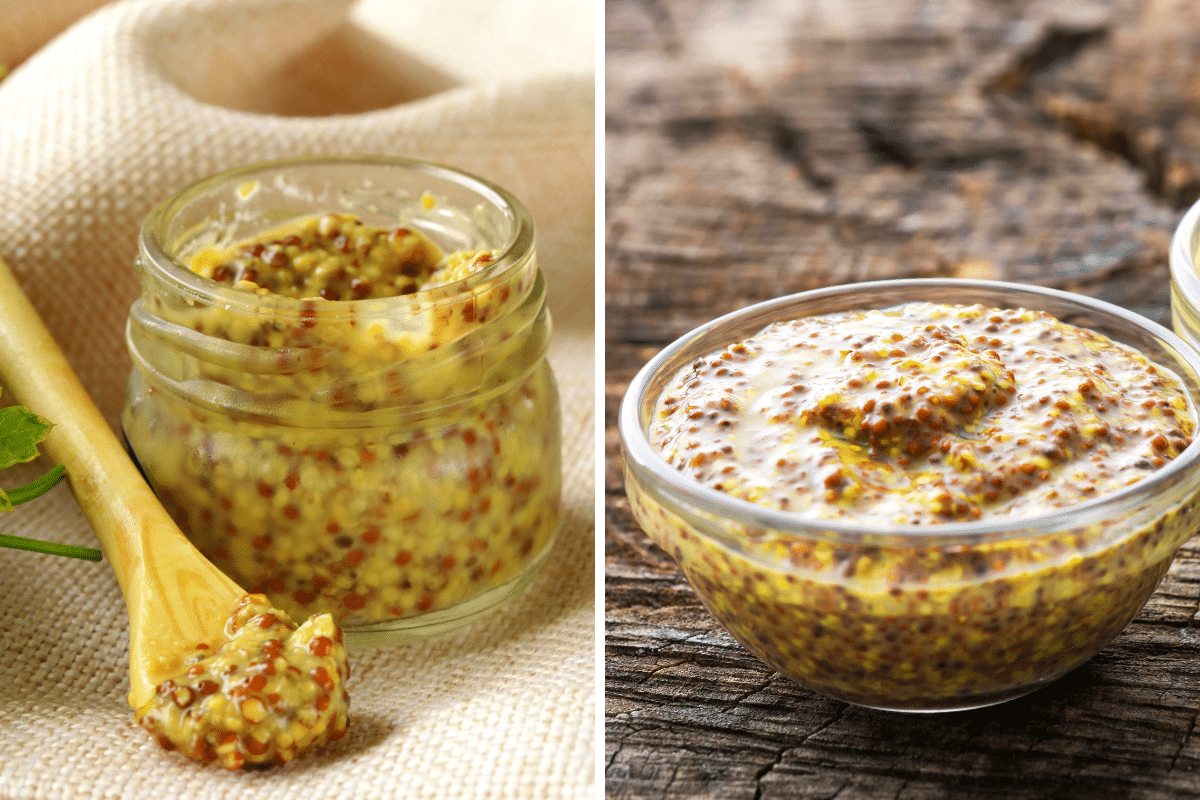
At their core, both mustards begin with the same seed. However, the texture is where they decisively part ways. Whole grain mustard is exactly what it sounds like: the mustard seeds are kept entirely intact, ideally soaked in a liquid (like vinegar, wine, or water) along with spices until they soften slightly. The result is a coarse, spoonable condiment where individual seeds pop satisfyingly under your teeth. Stone ground mustard, on the other hand, passes the seeds through a mill or stone grinder, cracking them open and producing a paste that retains some grit and texture, but not the full seed structure. It’s a middle ground between a smooth yellow mustard and the hearty whole grain version. This fundamental difference in production dictates their best uses, as the whole seed offers a burst of sharpness, while the ground version provides a more even, milder heat.
The primary benefit of keeping mustard seeds whole is their dramatic textural contribution to a dish. Imagine a simple grilled pork chop: a smear of smooth Dijon dissolves into the meat, adding flavor but little else. Now, picture a dollop of whole grain mustard on that same chop. Each whole seed delivers a tiny, explosive pop of acidity and heat, creating a layered and interactive eating experience. This makes whole grain an exceptional choice for salads, where its seeds can cling to greens like little flavor bombs. It’s also perfect for finishing a vinaigrette or a creamy dip, where its visual appeal and crunch stand out. In contrast, stone ground mustard is a superb all-rounder for everything else. Because it blends more readily, it works beautifully as a base for a marinade, a subtle kick in a creamy sauce, or a spread for a sturdy sandwich where you don’t want seeds falling out with every bite.
Must Read
Consider a common scenario: a weekend charcuterie board. The fresh, creamy brie and the salty prosciutto demand complementary partners. Here, whole grain mustard shines as a dipping companion for cured meats, its seeds offering a contrast to the smoothness of the cheese. It also holds its own against stronger flavors like aged gouda. Meanwhile, a stone ground mustard might be placed closer to a terrine or a pâté, where its slightly coarser texture (compared to a smooth Dijon) provides body without overwhelming the delicate meat. Another example: a classic German-style potato salad. A version made with a smoother dressing benefits from the whole grain texture for a rustic feel, while a more creamy potato salad might integrate better with stone ground, which melds into the dressing while still leaving a pleasant hint of grit.
To explore these mustards on your own, start by tasting them side-by-side. Use a plain piece of bread or a simple cracker to avoid flavor interference. Notice how the whole grain releases its heat more gradually, while the stone ground offers a more uniform immediate bite. Consider the vessel: whole grain is magnificent on a cold cut sandwich where its seeds stay visible, but it can sink to the bottom of a loose vinaigrette if not whisked vigorously at the last second; stone ground is much more forgiving in this regard. A simple tip is to use whole grain mustard as a finishing ingredient—stir it in at the very end of cooking a stew or soup to add a pop of freshness and color. Reserve the stone ground for marinades or rubs, allowing its flavor to infuse into the meat over time.
 5 Best Dijon Mustard Substitutes Perfect For Your Recipes
Ultimately, choosing between them is not about superiority, but about intention. The beauty of stone ground mustard lies in its versatility and its ability to become a cohesive part of a sauce or spread, offering a steady, satisfying backbone of flavor. The majesty of whole grain mustard is its disruptive nature—it refuses to disappear. It insists on being noticed, adding a visual and tactile layer that makes a dish feel more considered and artisanal. For everyday life, keep a jar of each in your pantry. Use the stone ground when you want a reliable, workhorse mustard that blends seamlessly, and reach for the whole grain when you want that final, confident whisper—or rather, that satisfying pop—of character.
Experiment boldly. Try a spoonful of whole grain on roasted vegetables just out of the oven, or mix a little stone ground into your next batch of macaroni and cheese. You will quickly discover that this simple condiment is a small but mighty tool, capable of adding depth, texture, and joy to meals you already love. By understanding the difference between these two humble jars, you are not just buying mustard; you are choosing the specific kind of excitement you want on your plate—the integrated warmth of stone ground or the playful, crackling adventure of whole grain.

