Whole Grain Flour Vs All Purpose Flour

When you walk down the supermarket aisle and see bags of whole grain flour sitting next to all-purpose flour, you might wonder if there's really any difference worth worrying...

When you walk down the supermarket aisle and see bags of whole grain flour sitting next to all-purpose flour, you might wonder if there's really any difference worth worrying about. The truth is, these two flours are more different than most people realize, and choosing between them can have a real impact on your cooking, nutrition, and overall health. Whether you're a casual home baker or someone who spends every weekend experimenting with new recipes, understanding these differences empowers you to make smarter, more informed choices in the kitchen.
So what exactly sets these two apart? Whole grain flour is milled from the entire wheat kernel — the bran, germ, and endosperm — which means it retains all the naturally occurring fiber, vitamins, and minerals. On the other hand, all-purpose flour has been stripped down to just the endosperm, resulting in a finer, whiter, and lighter product. While all-purpose flour offers versatility in baking, it sacrifices much of the nutritional value that makes whole grain flour a powerhouse ingredient for health-conscious families.
The differences extend beyond just nutrition. When it comes to taste and texture, whole grain flour has a nuttier, earthier flavor that adds depth to whole wheat bread, pancakes, and muffins. Its coarser texture can make baked goods denser and slightly more crumbly, which some people love and others find challenging to work with. All-purpose flour, by contrast, produces that soft, fluffy, and delicate crumb most of us associate with classic cakes, cookies, and pastries. Many professional bakers actually combine both flours to balance the benefits of each — getting the nutrition of whole grains while still keeping baked goods light and airy.
Must Read
The case for choosing whole grain flour becomes even stronger when you consider its health benefits. The high fiber content supports digestive health, helps regulate blood sugar levels, and keeps you feeling fuller for longer — a huge plus for families trying to build better eating habits. Meanwhile, the vitamins and minerals like B vitamins, iron, magnesium, and zinc are essential for energy and overall well-being. Many dietitians recommend that at least half of your daily grain intake should come from whole grains, making whole grain flour a simple swap that moves you closer to that goal.
If you're ready to start using whole grain flour more often, there are a few practical tips that make the transition smoother. Try replacing one-third of the all-purpose flour in your favorite recipes with whole grain flour first — this way, you get added nutrition without completely changing the outcome. Keep your liquid measurements in mind, since whole grain flour tends to absorb more moisture, so you may need a splash of extra water or milk. Also, consider letting your batter or dough rest for 10–15 minutes before baking; this allows the bran to soften and produces a lighter, less gritty texture in the final product.
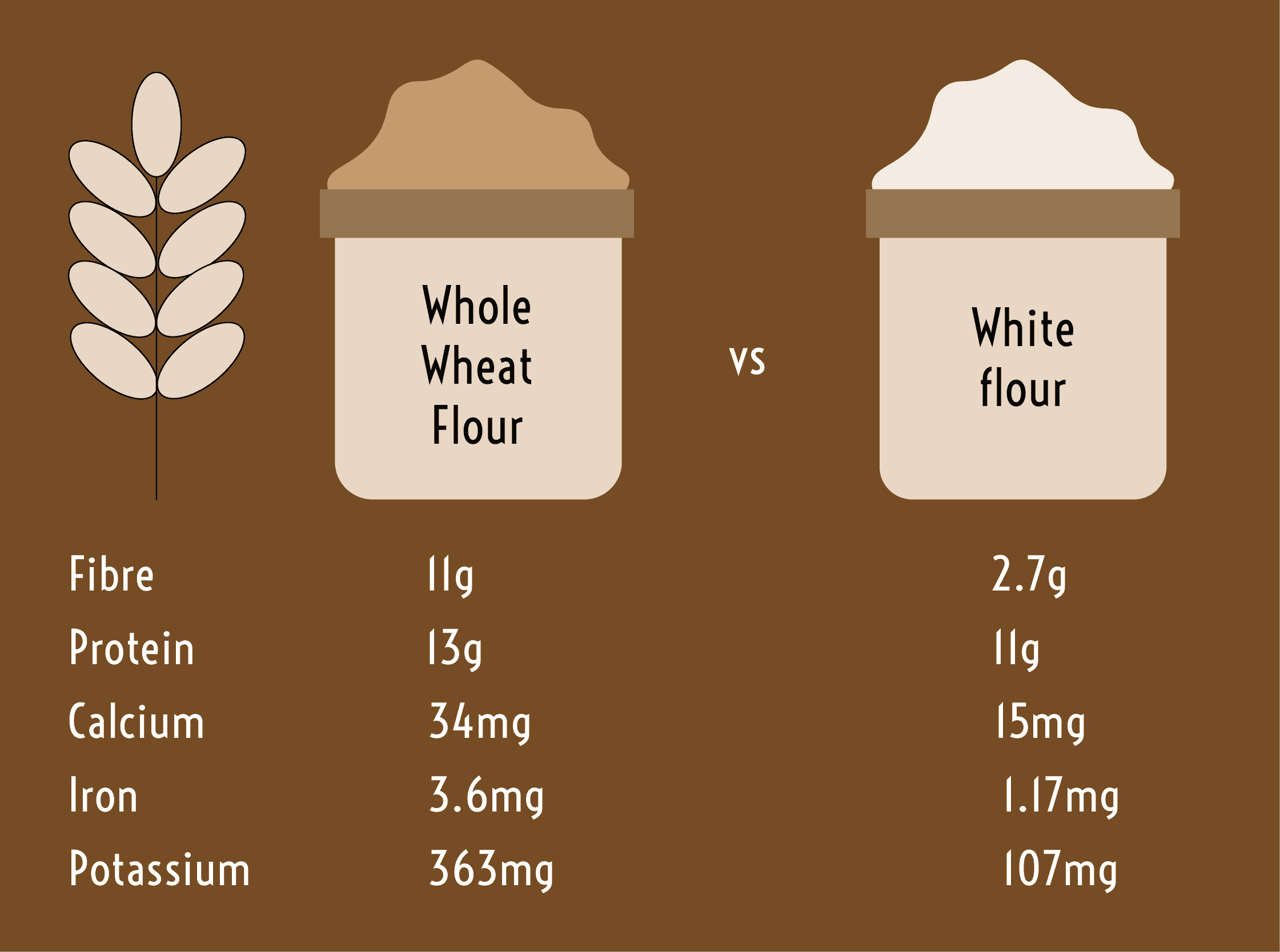 Difference Between White And Whole Wheat Flour | Detroit Chinatown
Ultimately, neither flour is the "better" choice for everything — it really depends on what you're making and what your goals are. All-purpose flour has its place in recipes where precision and lightness matter, like chiffon cakes or delicate pastries. But for everyday cooking and baking — think pancakes, breads, muffins, and even cookies — whole grain flour delivers a nutritional boost that's hard to ignore. The key is to experiment, blend, and find what works for your taste and your family's needs.
The bottom line is this: living in a world where healthier options are becoming more accessible, choosing the right flour is a small but meaningful step toward better eating for individuals, families, and communities alike. Whether you go fully whole grain or take a blended approach, every conscious swap you make adds up. So the next time you reach for a bag of flour, take a moment to think about what your body and your recipes truly deserve — because a healthier kitchen starts with the simplest ingredients.


