Who Is The Head Of A Crown Family?

Welcome to the glittering, bewildering world of Crown Families—where bloodlines dictate who gets the castle, the jewels, and the final say at the dinner table. If you’ve ever...
Welcome to the glittering, bewildering world of Crown Families—where bloodlines dictate who gets the castle, the jewels, and the final say at the dinner table. If you’ve ever watched a royal drama and wondered, “But who is actually running this show?” you are not alone. Understanding who the head of a crown family is not just for history buffs or tabloid readers; it is a surprisingly useful key to decoding news, politics, and even business dynasties. The advantage? You’ll never confuse a figurehead with a decision-maker again, and you’ll spot power structures hidden beneath tiaras and titles.
At its core, the head of a crown family is the living symbol and ultimate authority of that royal house. This person is usually the monarch—a king, queen, emperor, or emir—but the title often carries vastly different job descriptions depending on the country. In absolute monarchies like Saudi Arabia or Oman, the head actually governs, issuing laws and commanding armies. In constitutional monarchies like the United Kingdom or Japan, the head reigns but does not rule, acting as a ceremonial figure who signs off on laws the parliament creates. Think of it like being the CEO of a company: one king might be a hands-on founder, while another is the elegant poster child who cuts ribbons and shakes hands—but neither is powerless. Their real power often lies in the unspoken influence: they can advise, encourage, or quietly discourage politicians behind closed doors.
Let’s dive into some creative examples to make this vivid. Imagine a family reunion of the Windsors in the UK: Queen Elizabeth II (or now King Charles III) sits at the head of the table. They don’t just pick the menu; they choose who gets a royal title, decide who represents the family abroad, and have the final word on marriages—as Prince Harry discovered when he gave up official duties. Or zoom over to Thailand, where the King is considered semi-divine and legally must not be criticized. The head there isn’t just a relative with a crown; they are the stabilizing pillar of national identity. For a more modern twist, look at the House of Grimaldi in Monaco: Prince Albert II is both the family head and the actual head of state, mixing royal protocol with a real estate mogul’s deal-making. The pattern? The head always embodies the family’s brand and heritage, whether they’re signing treaties or tweeting photos at polo matches.
Must Read
But what about families that aren’t technically royal? The concept extends to “crown families” in business empires, like the Rothschilds, the Waltons of Walmart, or the Murdochs. Here, the head is often the patriarch or matriarch who controls the trust, the voting shares, and the precious “crown jewel” asset—a company part that cannot be sold without their blessing. For example, Lachlan Murdoch inherited the role of executive chair of News Corp, but the real head of the Murdoch crown family—Rupert—continued to influence succession through a secretive trust. The advantage of spotting this? When you hear “crown family,” you instantly know to look for who holds the veto power on major decisions, not just who has the biggest office.
Now, here’s practical advice if you want to play detective and identify the head of any crown family yourself. First, look for the succession rule. Is it primogeniture (oldest child, usually male, but changing in places like Sweden)? Or is it chosen by an inner council, like in Saudi Arabia? Next, check who grants or blocks titles. In Japan, the Emperor cannot even abdicate without government permission—so real headship lies with the Prime Minister? Not exactly—the family head still controls ceremonies and the precious Imperial Regalia. Third, follow the money. The head often oversees a “privy purse” or family foundation. If you see a royal sitting on a board of a bank or owning a massive land trust, that’s your clue. Finally, watch for crises: when a crown family gets into scandal (a divorce, a misstep with taxes), the person who issues the public apology or fires the staff is almost certainly the head.
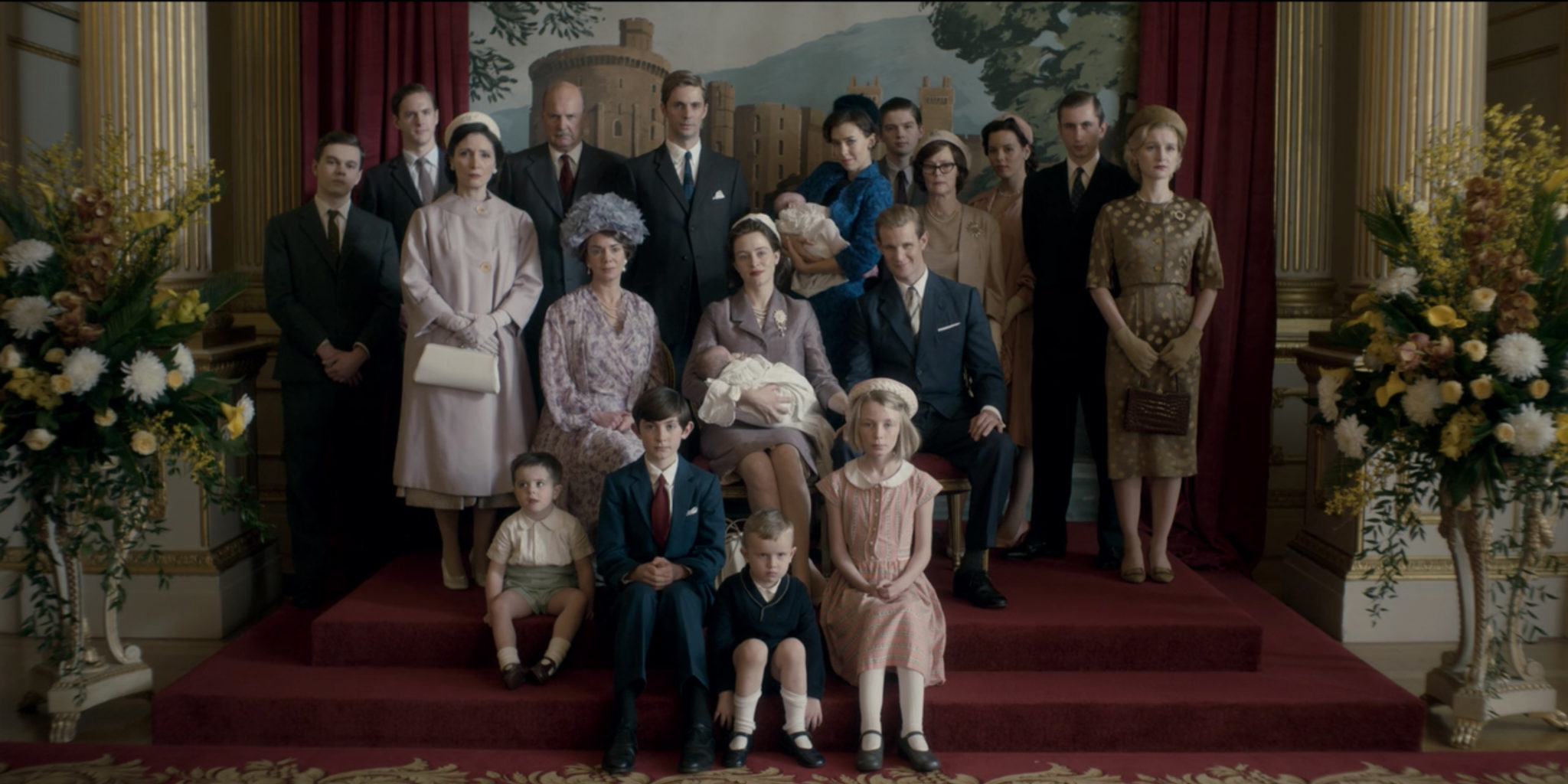
 'The Crown' season 3: Can Peter Morgan keep the spark alive for the
If you want to try this for fun, pick a real-life crown family—say, the Dutch royal house, or the Al Thani family of Qatar. Google their family tree and look for the phrase “head of the House of.” You’ll often find the title goes to the eldest male, but not always—Queen Margrethe of Denmark stepped down in 2024, passing the crown and the headship to her son, yet she remains a powerful advisor. Next, compare the legal powers of the head (like vetoing bills) with their social powers (like choosing who gets invited to state banquets). You’ll quickly see how much influence is hidden behind the pomp. The best tip? Remember that a crown family head is half mascot, half general—and the fun lies in spotting which role dominates in each story.
In the end, knowing who heads a crown family helps you navigate a world where tradition meets modern power. Whether you’re reading about a royal wedding, a new prime minister’s oath, or a billionaire’s inheritance battle, you’ll now recognize the silent figure behind the throne. And here’s the secret: this knowledge is deliciously transferrable. You can apply it to any organization where blood—or a founder’s last name—matters more than a résumé. So next time you see a photo of a family standing in a palace, ask yourself: Who is the one person everyone’s eyes subtly turn to? That is your head of the crown family—and now you know exactly what they really do.
