Who Is Called The Father Of Modern Economics

Exploring who is called the Father of Modern Economics is more than a trivia question; it is a gateway to understanding how societies allocate scarce resources, how government...
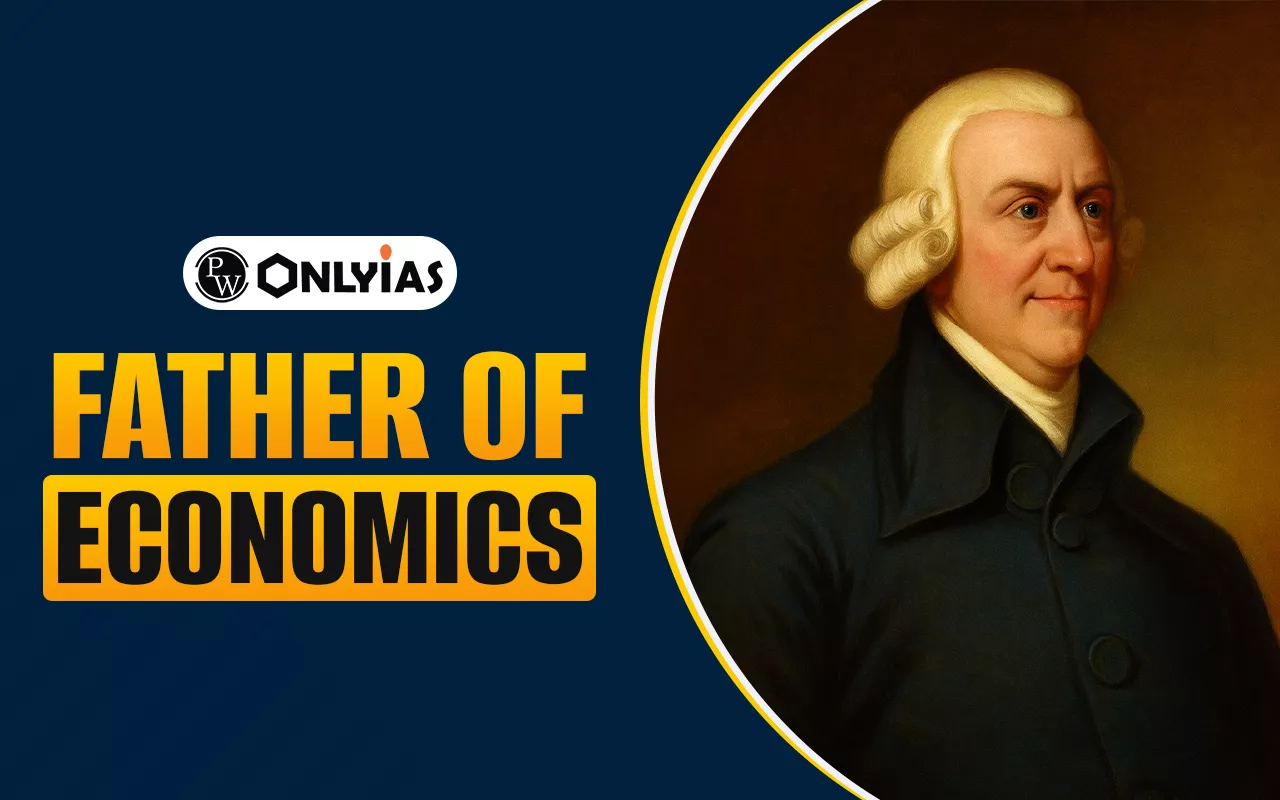
Exploring who is called the Father of Modern Economics is more than a trivia question; it is a gateway to understanding how societies allocate scarce resources, how governments shape markets, and how everyday consumers make decisions. This topic is enjoyable because it blends history, philosophy, and practical policy, making it a favorite among students, professionals, and curious readers alike. Its appeal lies in the way a single name can illuminate entire economic models and help us see the world through a clearer lens.
The main purpose of this discussion is to give readers a concise yet comprehensive picture of the key figure behind modern economics and the impact of his ideas on today’s financial landscape. By the end of the article, you will benefit from a solid foundation of knowledge that can improve your personal budgeting, inform your investment choices, and enrich classroom conversations. Whether you are a policymaker, an entrepreneur, or a curious citizen, the insights offered here are directly applicable to real‑world decision‑making.
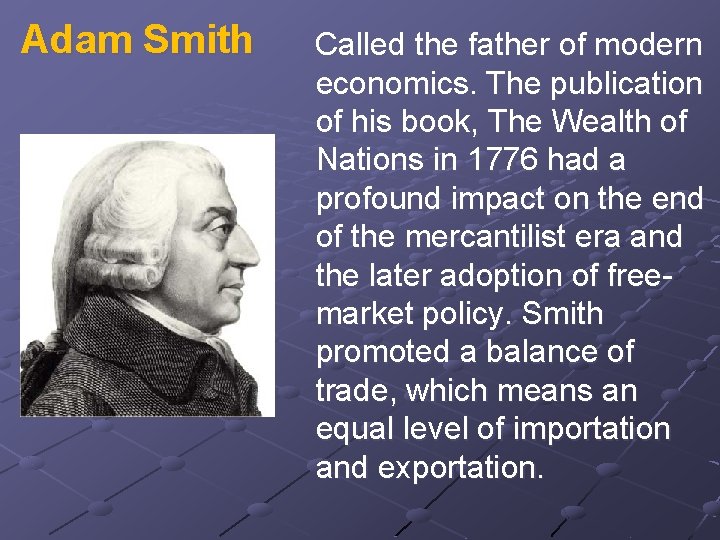
Most scholars credit Adam Smith with the title of “Father of Modern Economics.” His seminal work, The Wealth of Nations (1776), introduced the concept of the invisible hand—the notion that individuals pursuing self‑interest unintentionally contribute to the overall wealth of society. Smith’s emphasis on free markets, competition, and division of labor laid the groundwork for classical economics and continues to influence contemporary market theories, policy debates, and even everyday business strategies.
Must Read
While Smith is the most widely recognized name, other scholars have reshaped the field in equally powerful ways. John Maynard Keynes, often called the “Father of Macroeconomics,” championed government intervention during economic downturns, leading to the Keynesian model still used in fiscal policy. Meanwhile, Friedrich Hayek and Milton Friedman advanced free‑market doctrines that challenged Keynesian ideas. Recognizing these variations helps you see how “father” titles can shift depending on whether you focus on classical, macro, or monetarist perspectives.
 The Industrial Revolution Activity A Conceptual MapMind Map
To get started with this knowledge, consider a simple three‑step approach: (1) read a short summary of Smith’s key ideas—such as the division of labour and price mechanisms—contrasted with Keynes’s view on aggregate demand; (2) follow reputable economics blogs or podcasts that discuss modern applications of these theories; (3) apply one concept to a personal situation, like using opportunity cost to decide between saving or spending. These actionable steps turn abstract concepts into practical tools you can use right away.
Finally, treat this exploration as a living conversation rather than a static fact. Engage with classmates, join online forums, or write a brief reflection on how Smith’s “invisible hand” still shapes today’s gig economy. By staying curious and connecting theory with everyday experiences, you will retain the information longer and be better equipped to discuss, question, and apply economic ideas in both professional and personal contexts.


