Who Are The Russells In Gilded Age Based On

So, you’re watching The Gilded Age and you’re thinking: who the heck are these Russells, and why do they act like they’re renting Manhattan by the hour? The short answer: they...

So, you’re watching The Gilded Age and you’re thinking: who the heck are these Russells, and why do they act like they’re renting Manhattan by the hour? The short answer: they’re based on the real-life Vanderbilt family, but with more drama and less yacht-talk. If you want the juicy truth, buckle up—because the real story is weirder than anything Julian Fellowes could invent.
The Real-Life Money Volcano: The Vanderbilts
Let’s start with the patriarch, Cornelius Vanderbilt—the man who basically invented the American railroad and steamship industry. Dude started with a single ferry boat at age 16 and ended up being worth more than the entire U.S. government by the 1870s. Imagine you’re so rich that when you die, your fortune is roughly $100 billion in today’s money—yeah, that’s staggering.
But here’s the kicker: the Vanderbilts were considered nouveau riche by New York’s old-money aristocrats, who called them “parvenus.” Sound familiar? That’s exactly what happens to George and Bertha Russell in the show—they’re the new money crashing the old-money party, and the Astors are holding the velvet rope.
Must Read
The Russell name is fictional, but their mansion on Fifth Avenue? That’s a direct nod to the Vanderbilt château at 660 Fifth Avenue, which was so massive it had a ballroom the size of a small stadium. And yes, real-life Mrs. Astor famously refused to call on the Vanderbilts for years—until they bought her off with a charity ball.
Bertha Russell = Alva Vanderbilt, the Original Chaos Queen
Now, Bertha Russell’s character is basically Alva Vanderbilt on caffeine. Alva was the social-climbing mastermind who threw a costume ball in 1883 that cost $250,000—which is about $6 million today. She dressed as a Venetian princess and had her mansion redecorated to look like a doge’s palace, just to one-up the Astors.
But here’s a hilarious detail: Alva once divorced her husband, William Kissam Vanderbilt, because she was sick of his affairs. Then she married a dude named Oliver Belmont, who was a racehorse enthusiast and a congressman. She became a suffragette later in life, because why not—she already conquered society, might as well conquer politics.
The show’s Bertha is a toned-down version of Alva’s relentless ambition. In reality, Alva once said, “I have always had an unfortunate tendency to tell the truth in a way that shocks people.” If that’s not Bertha’s whole vibe, I’ll eat my corset.
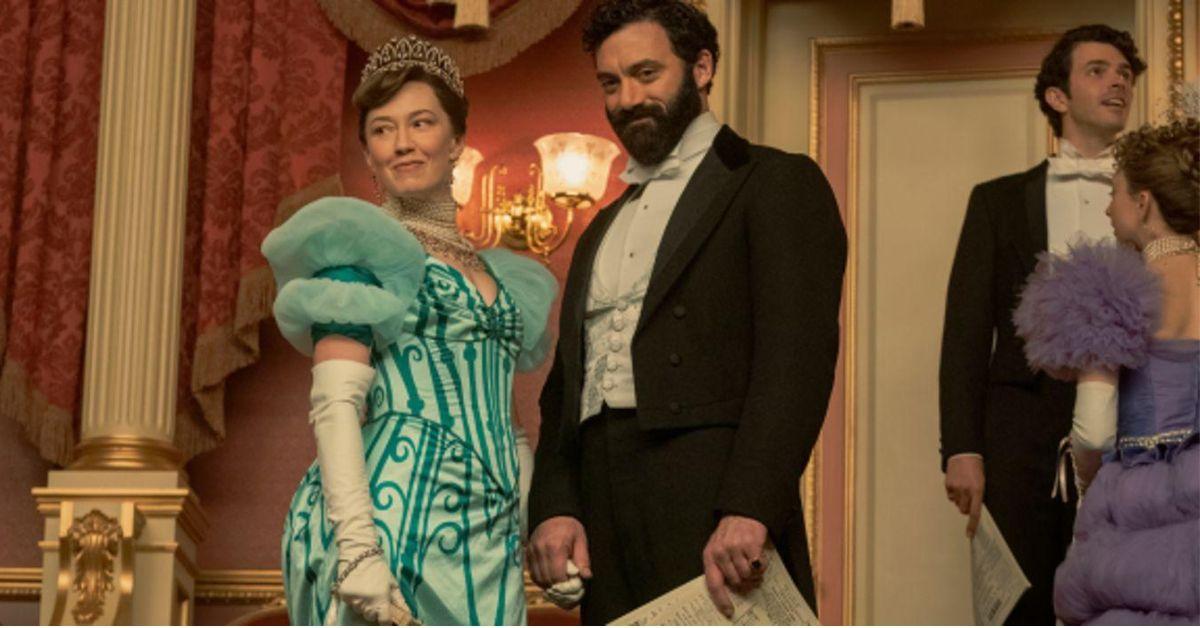 Who Is Mr. Russell in The Gilded Age Based On? He's a Real Guy
George Russell = Cornelius Vanderbilt, the Grumpy God of Finance
George Russell is Cornelius Vanderbilt if he’d taken acting lessons from a block of granite. Old Cornelius was famously blunt—he once told a rival, “I won’t sue you, for the law is too slow. I’ll ruin you.” He also started the New York Central Railroad and basically owned the entire East Coast transit system.
But here’s a weird fact: Cornelius was a huge fan of the occult. He once consulted a psychic to find out where his wife hid her jewelry. And he died after being bedridden for months, but his last words were reportedly, “I have been told that I am dying. I am not afraid to die.” That’s pure George Russell energy—zero panic, maximum control.
George’s rivalry with old-money families like the Van Rijns (based on the Roosevelts) is straight from history. The Vanderbilts were despised by the “Knickerbocker” elite, who thought railroad money smelled like coal dust and desperation.
The Russell’s Bitter Exile: A Real-Life Gossip War
Remember that scene where Bertha and George are ice-coldly excluded from the opera season? That’s based on a legendary feud between the Vanderbilts and the Astors. In 1883, the Astors controlled the Academy of Music, which only had 18 boxes—and they refused to give one to Alva Vanderbilt.
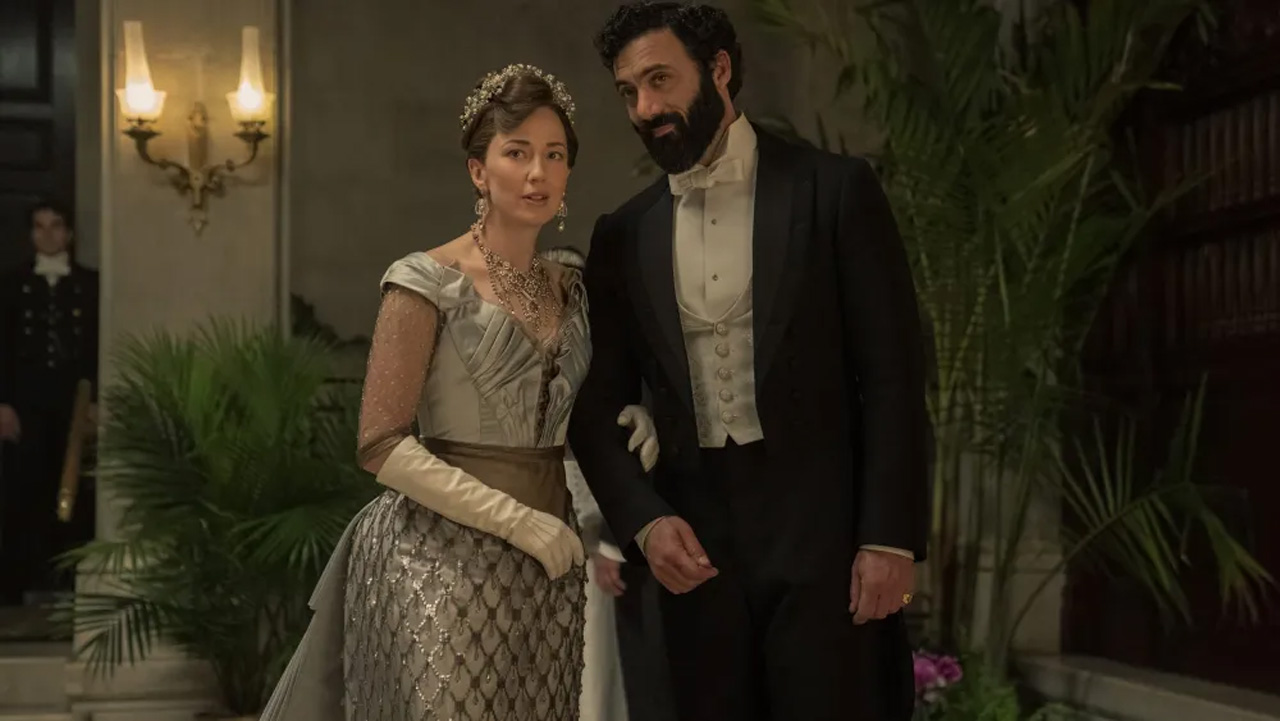 Who the Russells in The Gilded Age Are Based On, Answered
So Alva did what any bougie supervillain would do: she funded the construction of a new opera house—the Metropolitan Opera—with 122 private boxes. The old-money crowd was furious, but they couldn’t compete with Vanderbilt cash. The result? The “Diamond Horseshoe” of the Met became the place to see and be seen.
In the show, the Russells create their own opera box with a literal golden pyramid. That’s a true story—well, almost. Alva didn’t do golden pyramids, but she did install a private elevator in her box so she could make a dramatic entrance. Ridiculous? Yes. But also kind of awesome.
The Surprising Downfall: More Than Just Drama
Here’s a twist that Fellowes might use in season three: the Vanderbilts eventually lost most of their fortune thanks to terrible inheritance planning. Cornelius Vanderbilt’s son, William Henry, doubled the money, but his grandsons were more into yachts than railroads. By the 1930s, half the Vanderbilt mansions were demolished or turned into museums.
But the legacy lives on in pop culture—from the Biltmore Estate (which is still a tourist trap) to the word “vanderbilt” becoming slang for “obscene wealth.” The Russells in the show are a perfect caricature of that rise and fall: they’re rich, they’re hated, and they’re hilarious to watch.
So next time you see George grunt at a business rival or Bertha flash a diamond tiara, just remember: you’re watching a show about actual historical lunatics who invented modern social climbing. And honestly? They’d probably love that they’re still famous.
