White Wine Vinegar Vs White Cooking Wine

I’ve always been fascinated by the small bottles of acid that sit on the kitchen shelf, because they can transform a bland dish into something bright and memorable. White wine...
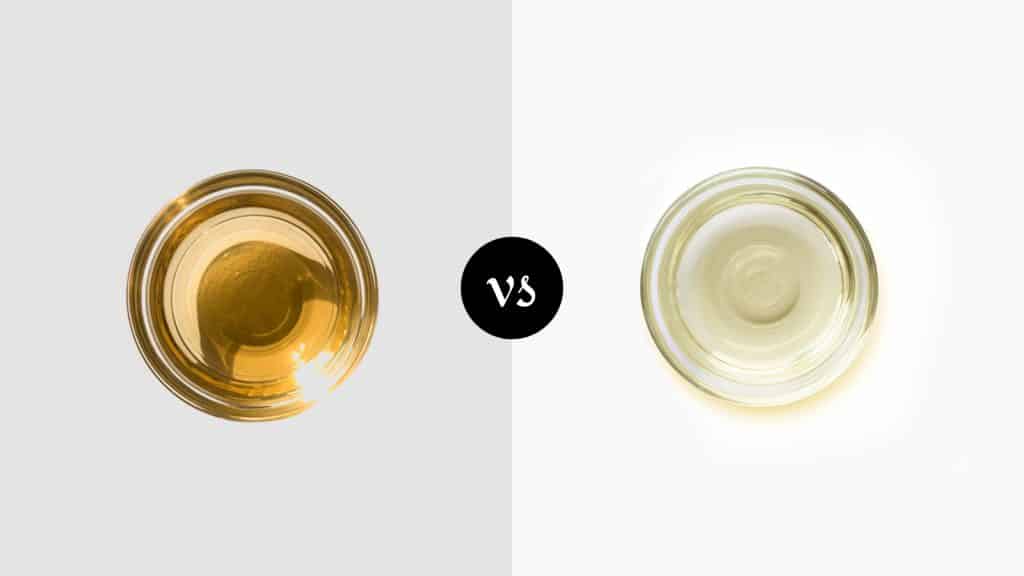
I’ve always been fascinated by the small bottles of acid that sit on the kitchen shelf, because they can transform a bland dish into something bright and memorable. White wine vinegar and white cooking wine are two pantry staples that many home cooks reach for when they need a quick lift of flavor. Both are affordable, easy to find, and versatile, yet they serve slightly different roles in the cooking process. Understanding how each works helps you decide which one to reach for when you’re stirring a sauce, dressing a salad, or deglazing a pan.
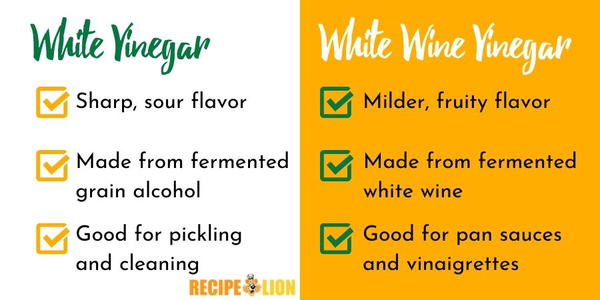
White wine vinegar is a clear, sharp acid derived from fermented white wine that has been aged to develop a crisp, slightly tart taste. Its primary purpose is to add acidity and depth without the stronger notes of other vinegars. In everyday cooking it brightens vinaigrettes, adds zing to pickled vegetables, and cuts through richness in creamy dips. A teaspoon of white wine vinegar can also help balance sweetness in tomato sauces, making it an essential tool for home chefs who love to fine‑tune flavor with minimal effort.
White cooking wine is a low‑alcohol, often slightly sweetened liquid that is meant to be used during the cooking process, where the alcohol will evaporate before serving. It provides a subtle grape flavor and a gentle floral note that can mimic the taste of a proper wine without the need for an open bottle. Popular in recipes such as risotto, seafood stews, and pan sauces, it tenderizes proteins, adds complexity, and helps deglaze pans, leaving behind a fragrant fond that enriches the final dish.
Must Read
When you compare the two, the key distinction lies in intensity and intended use. White wine vinegar delivers a pronounced, tangy punch that works best in cold applications or as a finishing accent, while white cooking wine offers a softer, rounded flavor that melds into hot dishes without dominating. In a salad dressing, the vinegar’s sharpness stands up to oil and herbs, while cooking wine would be too subtle. Conversely, a splash of cooking wine in a simmering sauce adds depth that vinegar would overwhelm with acidity.
Imagine you’re preparing a weeknight pasta: you sauté garlic in olive oil, add tomatoes, and then squeeze a little white wine vinegar to brighten the sauce; the result is a lively, fresh flavor that lifts the dish. Now picture the same recipe with a tablespoon of white cooking wine added while the sauce simulates, allowing the alcohol to bubble off and the subtle grape notes to enrich the tomatoes. Both versions taste good, but the choice determines whether you want a crisp edge or a deeper, more integrated taste.
 White Vinegar vs White Wine Vinegar: From Flavors To Uses
To explore these staples on your own, start by tasting them straight from a small spoon; you’ll notice the vinegar’s bright bite versus the wine’s mellow undertone. Try swapping a teaspoon of white wine vinegar for a splash of white cooking wine in a vinaigrette and note how the dressing’s character changes. Keep both bottles within easy reach—one for acidic highlights, the other for gently building flavor during cooking. With a few experiments you’ll quickly learn which liquid earns a permanent spot in your culinary repertoire.
Pro tip: you can also use white wine vinegar and white cooking wine together, letting the vinegar provide the sharp opening and the wine finish with a softer, lingering note. Adjust the ratio slowly—start with one part vinegar to three parts wine—tasting as you go. This layering technique is especially useful in sauces for poultry or pork, where a balanced acidity and subtle depth create a sophisticated, restaurant‑style flavor at home.