White Spots Inside Sweet Potato

There is a quiet, unshakeable comfort in slicing open a sweet potato. Its vibrant orange flesh promises warmth, natural sweetness, and a wealth of nutrients. Yet, for many hom...
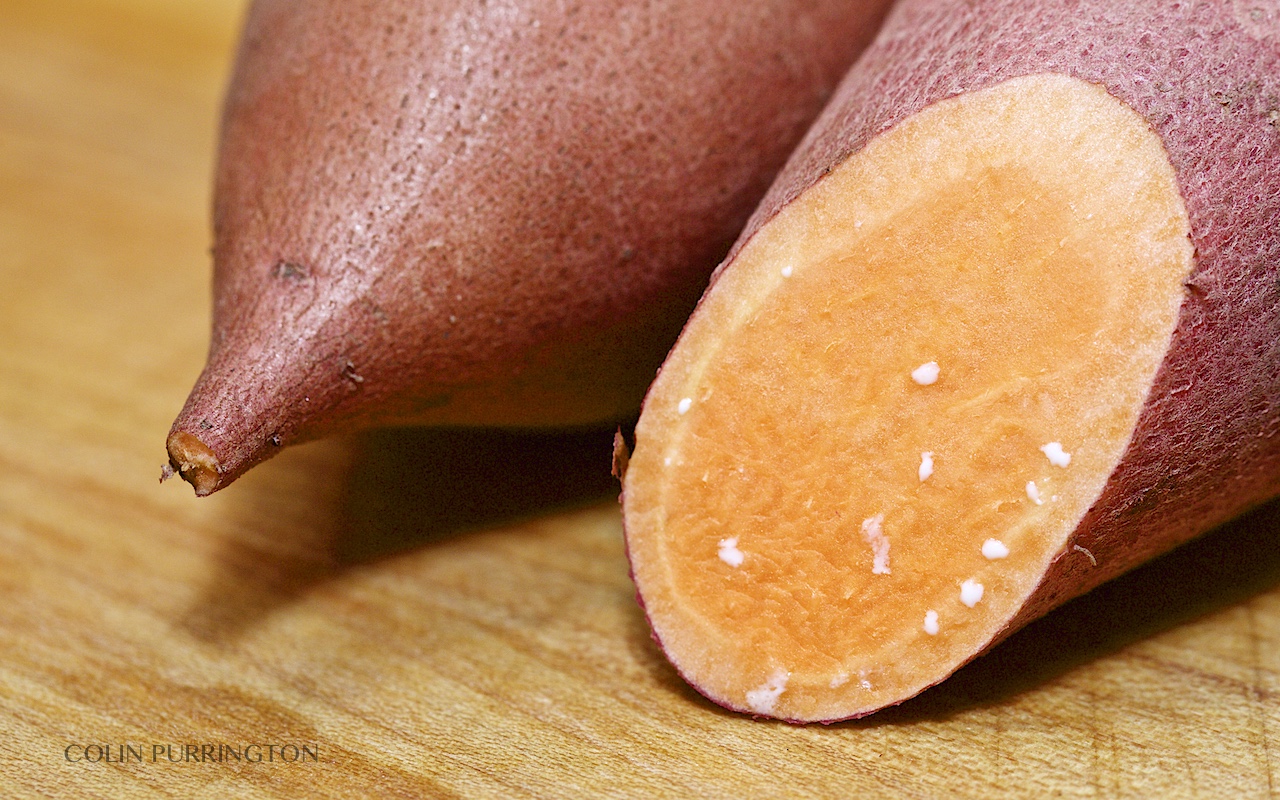
There is a quiet, unshakeable comfort in slicing open a sweet potato. Its vibrant orange flesh promises warmth, natural sweetness, and a wealth of nutrients. Yet, for many home cooks, this moment of anticipation is suddenly interrupted by the appearance of small, white spots or droplets seeping from the cut surface. This common phenomenon can cause confusion, leading some to worry their prized vegetable has spoiled. Understanding these white spots is essential, as it helps you confidently enjoy one of the most versatile and beneficial ingredients in your kitchen.
The key purpose of this article is to demystify those white spots, often called "sap" or "latex." Scientifically, they are a starch-protein complex that the sweet potato naturally excretes. This substance is a sign of freshness and vitality, not decay. When you cut into the tuber, you are breaking cell walls, and the pressure from the internal moisture pushes this milky liquid to the surface. For everyday life, this knowledge is a powerful tool: it prevents the unnecessary waste of a perfectly good food source and empowers you to make smarter, more confident decisions while meal prepping.
Consider a common scenario: you are preparing a batch of sweet potato wedges for a weeknight dinner. You see the white sap oozing from the freshly cut slices. A novice cook might toss them out, fearing a chemical or mold. However, understanding that this is a natural sealant—a substance the plant uses to heal its own wounds—changes the entire experience. In fact, this sap contains healing properties for the tuber itself and is perfectly safe to eat. It may cause a slight stickiness on your hands, but it poses no threat. This knowledge turns a moment of doubt into a moment of trust in the food's integrity.
Must Read
The benefits of recognizing this sap extend beyond avoiding waste. This substance is rich in resistant starch and trace proteins, which contribute to the overall nutritional profile of the sweet potato. For people managing their blood sugar, this is especially relevant. When you cook the sweet potato, the heat transforms that white sap, breaking down the complex carbohydrates, which can lead to a slower release of sugars into the bloodstream. Furthermore, the presence of this sap can actually enhance the final texture. When roasted, the sap can caramelize slightly, adding a subtle, pleasant chewiness to the edges of the flesh, a texture highly valued by seasoned chefs.
For those who enjoy a perfect, crisp exterior, the white sap can be a minor hurdle. A simple tip is to soak your cut sweet potato pieces in cold water for 10–15 minutes. This process leaches out much of the surface starch and the white sap. After soaking, pat the pieces very dry with a clean towel. This step is the secret to achieving the crispiest roasted sweet potatoes, as it removes the sticky residue that can otherwise cause them to steam rather than crisp. For scenarios like making sweet potato fries, this tip is non-negotiable for an optimal result.
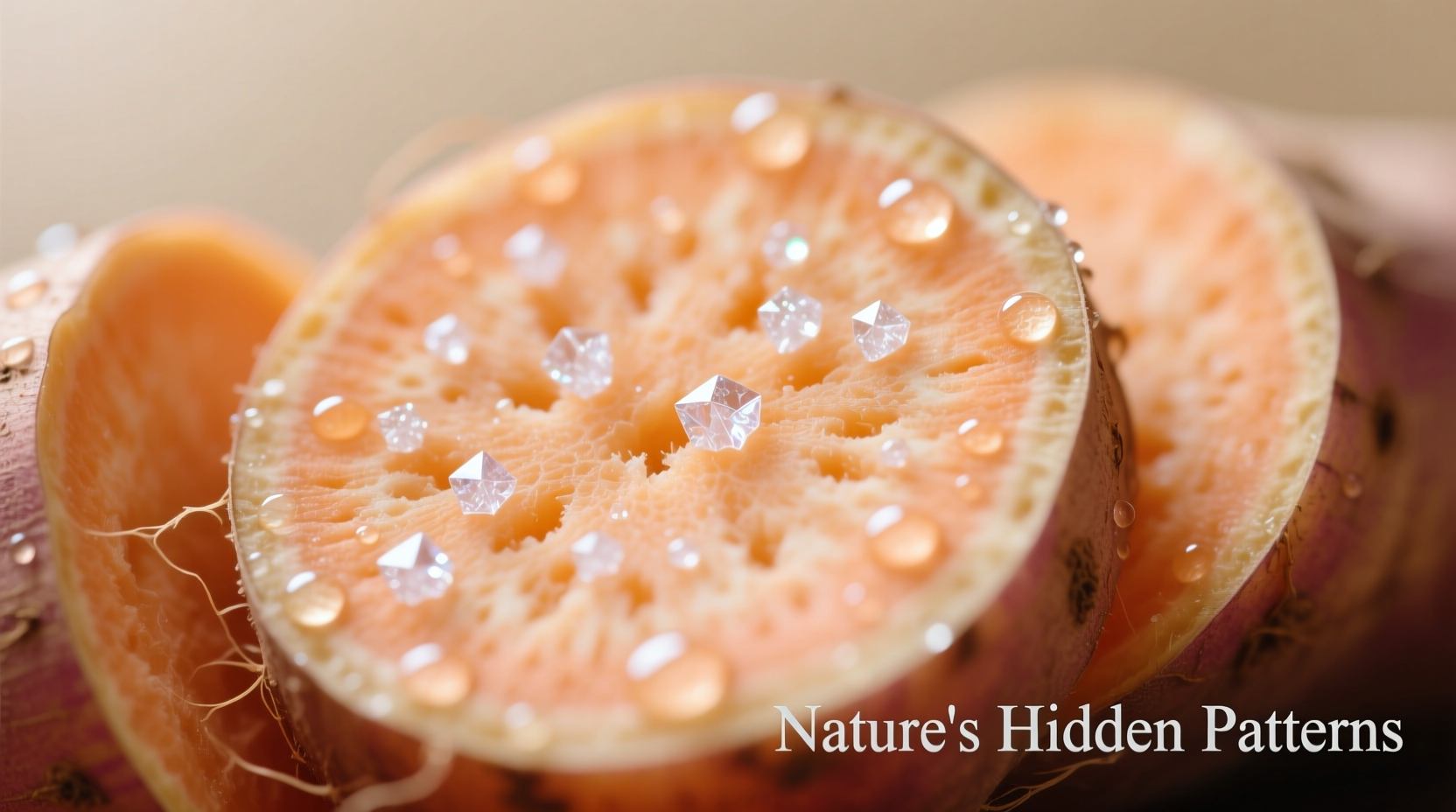 White Spots in Sweet Potatoes: Safe or Spoiled?
Another valuable tip is to select your sweet potatoes with intention. The white sap is most visible in very fresh, high-moisture varieties, particularly the orange-fleshed kinds. If you see a lot of sap, it is a good sign of recent harvest. However, if the sap has dried into a white, crusty patch on the outside of the uncut potato, do not be alarmed. That is simply the sap that has exuded and dried. It indicates robust health in the field. Simply rinse it off before cooking. This small observation turns you into a more informed shopper, able to pick the freshest produce for your favorite recipes.
In conclusion, those white spots inside a sweet potato are not a flaw but a feature. They are a testament to the vegetable's natural vitality and its ability to thrive. By understanding that this sap is a sign of freshness, not spoilage, you unlock a deeper appreciation for one of the world's most nourishing foods. The next time you see that milky residue, remember: it is a confirmation of quality. You can proceed with your cooking, confident that you are handling a living ingredient that offers both flavor and profound nutritional benefits for your everyday life.
![How to Tell if a Sweet Potato Is Bad? [4 Spoilage Signs] - Does It Go Bad?](https://www.doesitgobad.com/wp-content/uploads/Sweet-potato-white-spots-inside.jpg)
