Which Wuthering Heights Movie Is Closest To The Book

If you’ve ever tried to explain the raw, chaotic passion of Wuthering Heights to a friend, you know the real challenge: finding a movie that actually captures the book’s bruta...
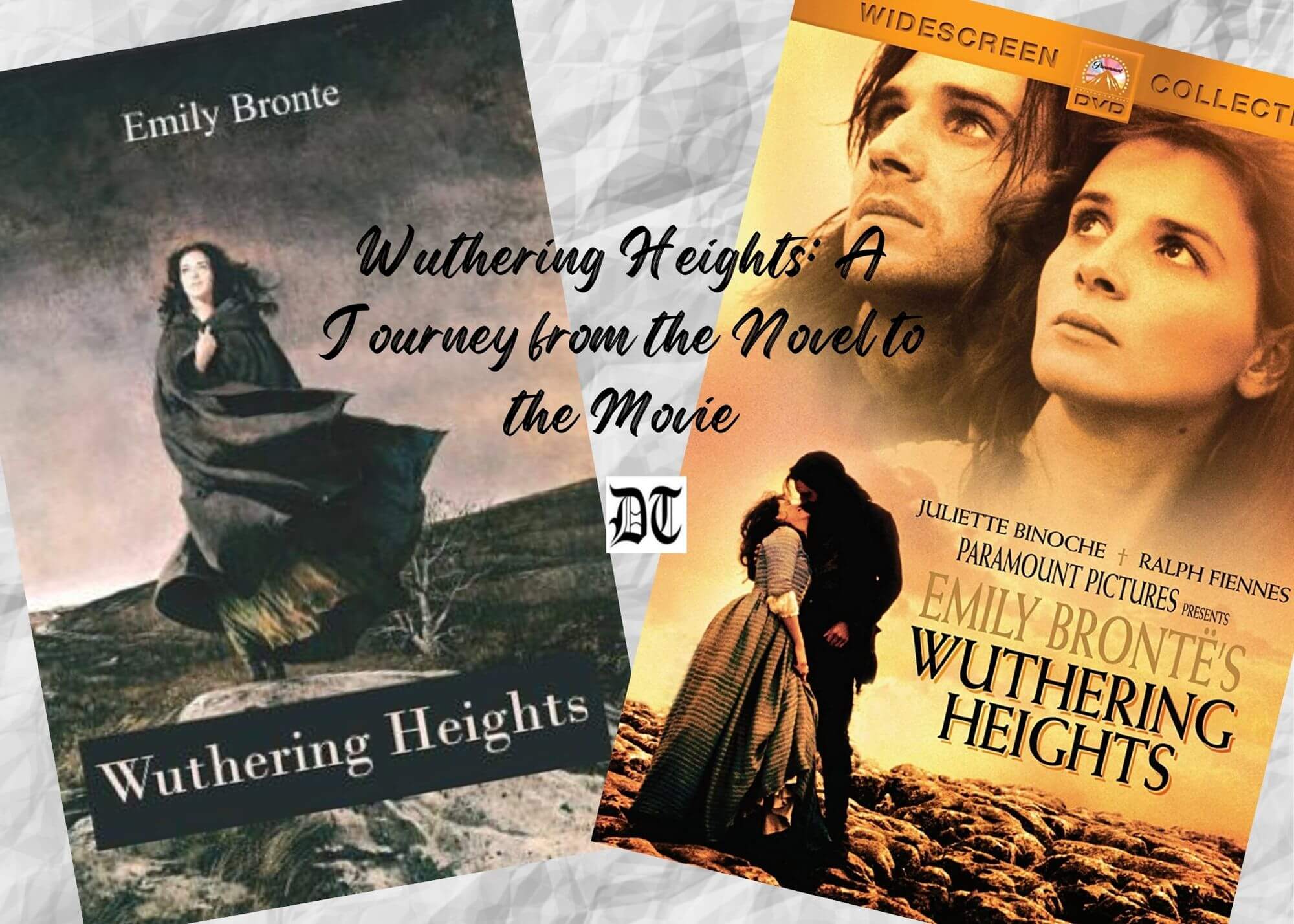
If you’ve ever tried to explain the raw, chaotic passion of Wuthering Heights to a friend, you know the real challenge: finding a movie that actually captures the book’s brutal soul. This isn’t just a nerdy debate; for families or book clubs planning a movie night, it’s the difference between a shared, satisfying experience and a frustrating “that’s not what happened!” argument. Choosing the right adaptation matters because it can unlock the novel’s emotional core for people who might never finish the dense prose. For a community reading group, a faithful film can spark richer discussions about revenge, class, and obsessive love, making literature feel alive and accessible. For individuals, it’s about validating your own reading—seeing Heathcliff’s fury or Cathy’s wildness exactly as you imagined, which is a deeply personal joy.
So, which movie wins? Most fans and critics agree: the 1939 version starring Laurence Olivier and Merle Oberon is beautiful but softens the story. It’s a Hollywood romance, not a Gothic howl. The 1992 film with Ralph Fiennes and Juliette Binoche gets closer to the rawness—Fiennes’ Heathcliff is genuinely menacing and tortured, and the casting of both actors across two generations is brilliant. Yet it still compresses key subplots. The real champion? Many argue it’s the 1978 BBC miniseries. It’s long, low-budget, and feels like a stage play, but it includes nearly every scene from the book, including the ghosts and the full, unsettling family saga. It doesn’t flinch from the violence or the psychological weirdness that modern films gloss over. For purists, it’s the gold standard—at least until someone makes a perfect new one.
You might be thinking, “But I don’t have time for a six-hour miniseries.” Fair point. A practical suggestion is to watch the 1992 film first. It’s widely available on streaming, and its intensity makes a great introduction. Then, if you’re hooked (or annoyed by what they left out), graduate to the 1978 miniseries on YouTube or DVD. Another trick: read the book’s first chapter aloud before the movie starts. That sets the mood—the snowy, bleak, ghostly vibe—so your brain isn’t expecting a normal romance. For families, make it a two-night event: one night for the book discussion, the next for the film. This builds anticipation and turns it into a ritual, not just a passive watch.
Must Read
There’s even a 2011 film directed by Andrea Arnold that tries something bold: it’s almost wordless, with shaky camera and muddy landscapes. Some hate it; others call it the most visceral adaptation. It focuses on the emotion of the moors, not the plot. Use it as a contrast—watch a ten-minute clip after the 1992 film to see how differently the same story can feel. This is a great exercise for book clubs: debate which feeling matches the novel better. Is it the poetry of the text or the grit? That question alone can turn a simple movie night into a memorable conversation.
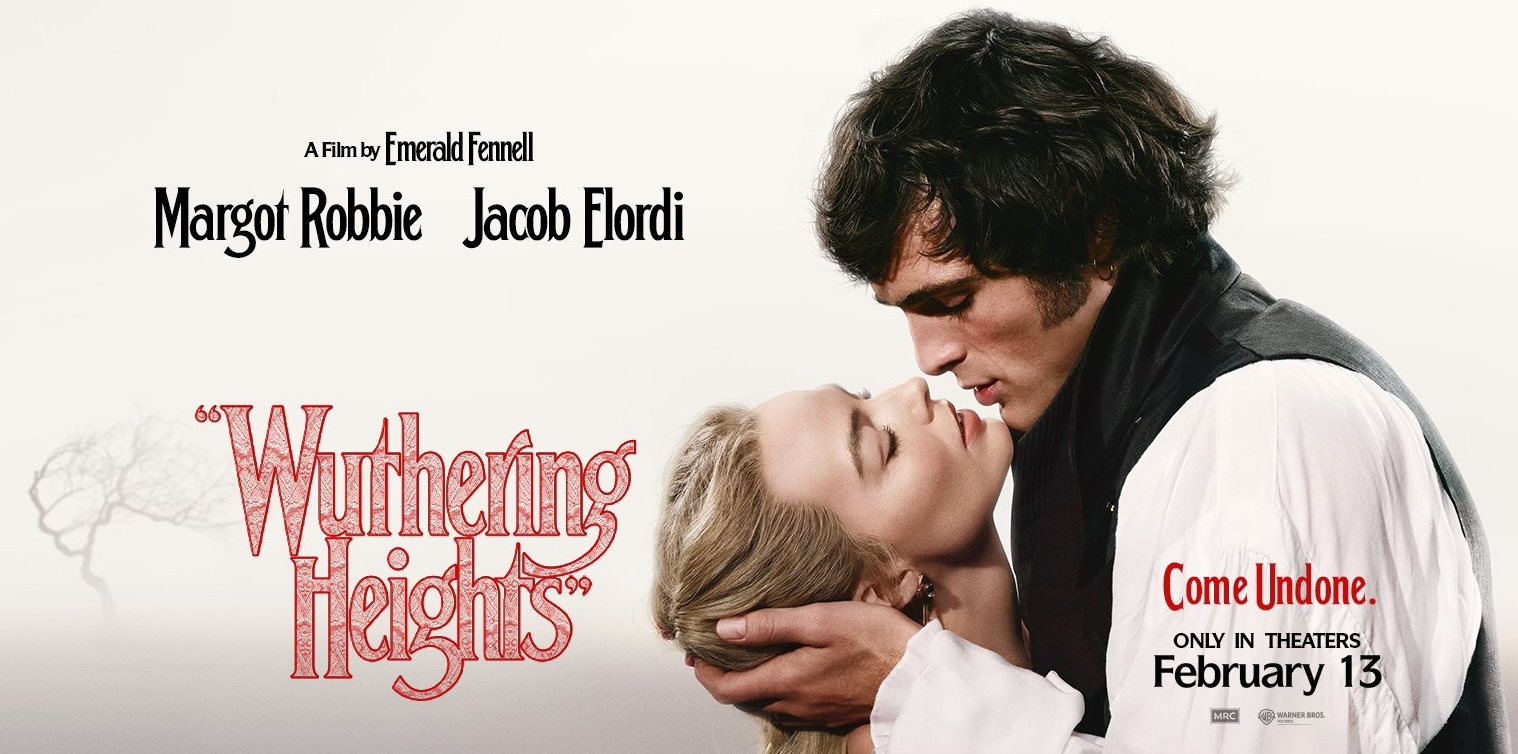 New Book Tie-Ins Coming For New ‘Wuthering Heights’ Movie & Other
Ultimately, no film is perfect—the book is a monster of complexity. But that’s good news. It means you can enjoy multiple adaptations, each highlighting a different shade of the story. The 1992 version gives you passion; the 1978 gives you loyalty; the 2011 gives you ambience. The key is to stop searching for a “perfect” one and start using each as a tool to deepen your own understanding. For a community event, create a simple poll: “Which Heathcliff is your Heathcliff?” and screen the top two. You’ll be surprised how personal the choices are, and how much people love defending their pick.
So grab your copy of Wuthering Heights, pick a movie that matches your mood, and settle in. Whether you prefer the classic black-and-white, the gritty nineties version, or the moody modern take, you’re honoring the book by grappling with it. The best adaptation isn’t the one that copies every word—it’s the one that makes you feel the wind on the moors and the ache of a love that destroys everything. And that’s a win for any reader, any family, any community ready to talk about it.
