Which Teas Are Good For Acid Reflux

Let’s be honest for a second: acid reflux is that uninvited guest who shows up right after you’ve enjoyed a big bowl of spicy chili or a second cup of morning coffee. You know...
Let’s be honest for a second: acid reflux is that uninvited guest who shows up right after you’ve enjoyed a big bowl of spicy chili or a second cup of morning coffee. You know the feeling—that fiery, clawing sensation creeping up your chest, making you regret every delicious bite. It’s like your stomach decided to start a campfire right under your sternum, and you’re the only one who forgot the marshmallows. But before you swear off all warm drinks forever, here’s some good news: the right teas can actually be your stomach’s best friend instead of its worst enemy.
Think of your esophagus like a grumpy, old-fashioned door. When you eat trigger foods, that door swings wide open and lets stomach acid crash the party upstairs. Not cool, right? That’s where certain teas come in—they act like a gentle, calming bouncer who says, “Sorry, acid, you’re not on the list tonight.” The goal isn’t to chug some bitter medicine; it’s to sip something that feels like a warm hug for your insides.
Your Go-To Hero: Ginger Tea
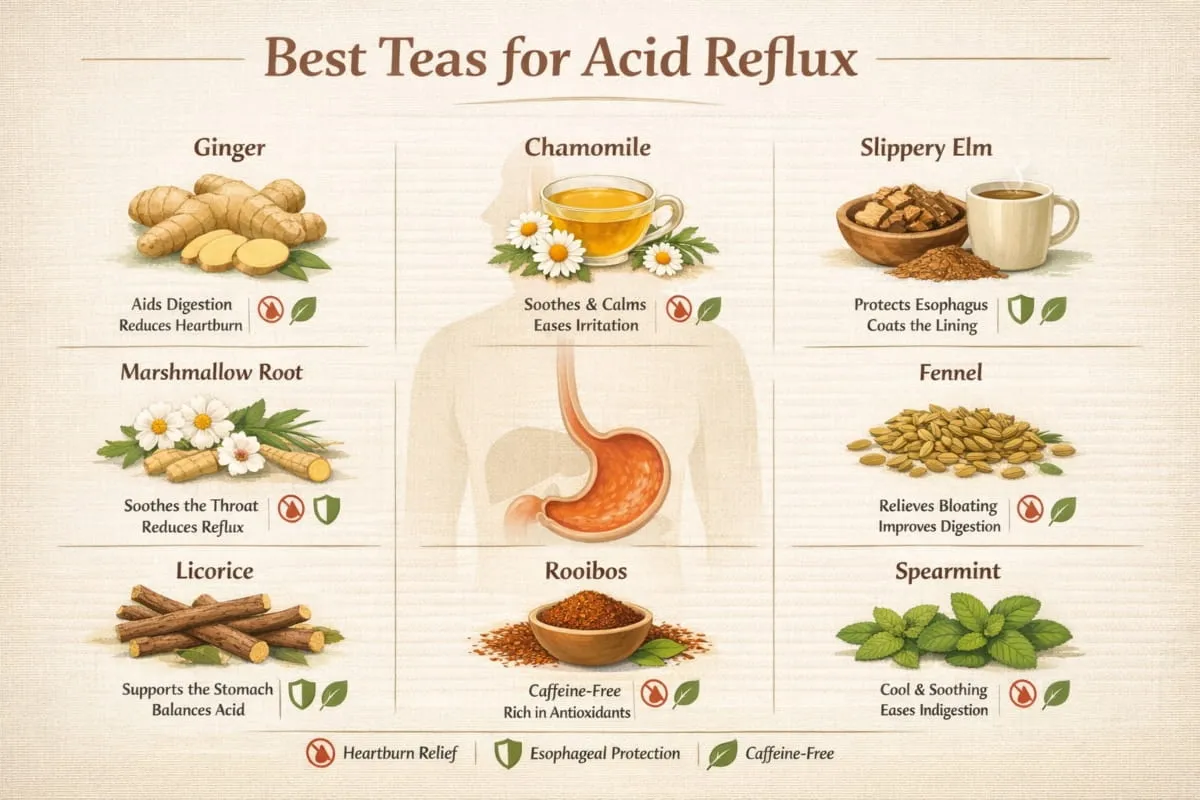
First up is ginger tea, the reliable friend who never lets you down. You know that little nub of ginger you sometimes grate into stir-fry? Well, boil it in water and you’ve got a natural anti-inflammatory powerhouse. Ginger has been shown in studies to reduce the pressure on the lower esophageal sphincter—that’s the fancy name for the “door” I mentioned. It’s like a calming sigh for your gut, and it also fights nausea, which often tags along with reflux.
Must Read
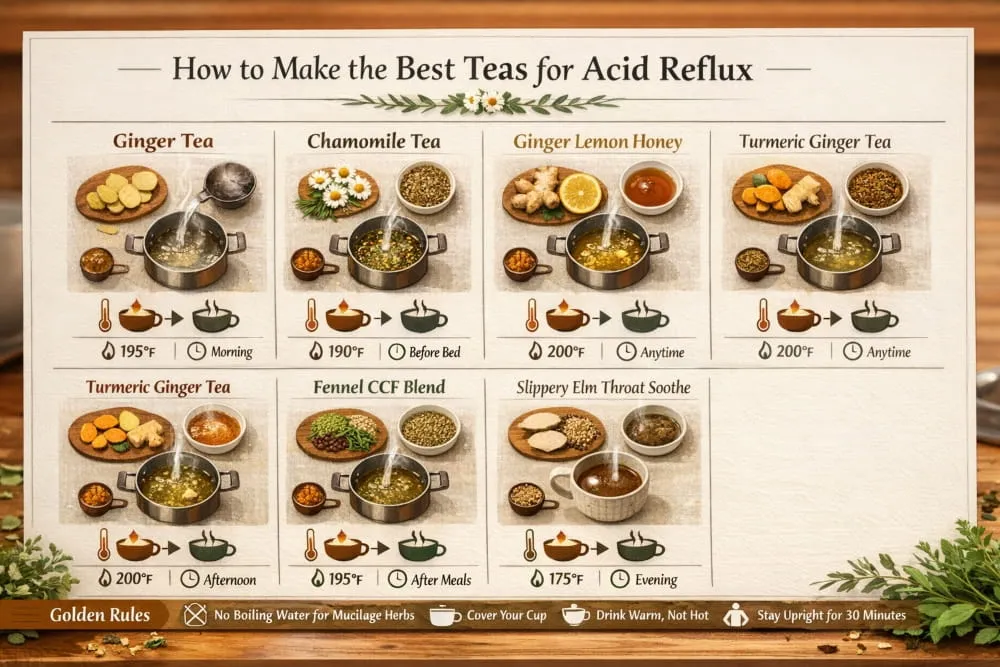
Personally, I like to slice a few rounds of fresh ginger (no need to peel it—who has time for that?) and drop them into a mug with boiling water. Let it steep for five minutes, and if you need a little sweetness, stir in a teaspoon of honey. Honey itself is a mild, natural soother for a scratchy, acid-tinged throat. Just don’t go overboard—too much honey can actually trigger reflux in some folks, so a little goes a long way.
The Gentle Sleepyhead: Chamomile Tea
Next, let’s talk about chamomile tea, the sleepy-eyed teddy bear of the tea world. You’ve probably had it before bed, but did you know it’s also ace for calming acid? Chamomile works by reducing stomach inflammation and relaxing the muscles that can spasm and cause discomfort. Think of it as a lullaby for your digestive tract—shhhh, everything is okay, no more fireworks.
I have a friend who swears by a cup of chamomile after a heavy dinner, and she says it stops the “volcano” before it even starts. It’s caffeine-free, too, which is a massive plus because caffeine is often a reflux trigger—it relaxes that lower esophageal door more than a tired hotel clerk on a night shift. So skip the green or black tea after 4 p.m. and reach for chamomile instead. Your insides will thank you.
The Licorice Stick: DGL Tea
You might raise an eyebrow at licorice, but hear me out: deglycyrrhizinated licorice (DGL) tea is a special kind of magic. Regular licorice candy is a sugar bomb, but DGL is a processed form that removes the compound that can raise blood pressure. This tea works by coating your esophagus with a protective, mucus-like layer—imagine slipping a fuzzy blanket over your sore throat. It’s like armor for your insides, especially after a spicy meal you couldn’t resist.
 Best Tea for Acid Reflux & GERD | What Actually Works (2026)
I’ll be real with you: DGL tea doesn’t taste like a fruity fruit punch. It’s naturally sweet but a little… earthy. My trick is to mix it with a bit of chamomile for a smoother sipping experience. Just don’t chug it like you’re at a party—sip it slowly, like you’re savoring a quiet Sunday morning.
A Word on the “Don’ts” (Sorry, Mint Lovers)
Now, I hate to break this to you, but if you’re a peppermint tea fan, you might need a break. Peppermint is a double agent—it’s great for indigestion and gas, but it relaxes that esophageal door even more, which is exactly what you don’t want with reflux. It’s like giving a sleepy guard a soft pillow and a lullaby. Same goes for spearmint and any strong, minty brews. For the same reason, skip high-caffeine teas like matcha or Earl Grey when your chest feels fiery.
One more tip: always drink your tea warm, not scalding hot, and never with milk or cream. Dairy can increase acid production in some people, and no one wants a reflux monster wearing a milk mustache. Just plain tea, a gentle steeping, and maybe a dollop of honey if you’re feeling fancy.
The Bottom Line? Your Stomach Wants Sips, Not Gulps
At the end of the day, herbal teas like ginger, chamomile, and DGL licorice are your gentle allies against the acid dragon. They won’t cure a chronic condition, but they’ll make your evening so much more comfortable than chugging a glass of orange juice (reflux nightmare, by the way). Start with a single cup after a meal you’re nervous about, and see how you feel. Your body is smart—listen to it.
So go ahead, brew yourself a cup, put your feet up, and let that warm liquid do its quiet, soothing work. You’ve got this. And your stomach just got a brand new best friend.
