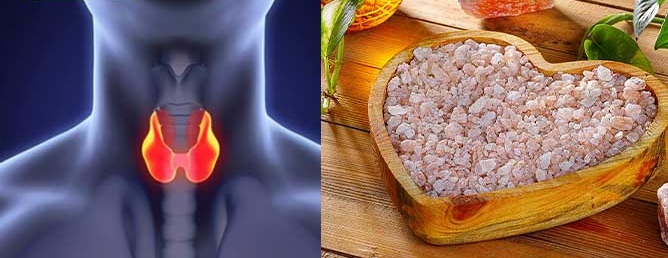
Which Salt Is Good For Hypothyroid Patients

Daily life has brought issues for both houses and families with hypothyroidism, as the need for the right kind of salt catches more attention from health-conscious people. Wit...

Daily life has brought issues for both houses and families with hypothyroidism, as the need for the right kind of salt catches more attention from health-conscious people. With thyroid disorders becoming increasingly common around the world, people are naturally curious about whether the salt they use every day supports or harms their thyroid health. Understanding which salt benefits hypothyroid patients can truly reshape the way households shop, cook, and care for themselves.
Before diving into which salt to choose, it helps to know why it matters so much. The thyroid gland is highly sensitive to iodine levels in the body, and many types of salt either offer no iodine at all or provide it in insufficient amounts. People with hypothyroidism need a steady, healthy supply of iodine, selenium, and zinc to keep their thyroid functioning as well as possible. Choosing the wrong salt means silently cutting off a key nutrient source every time someone sits down to eat, which can worsen symptoms like fatigue, weight gain, and brain fog over time.
Iodized table salt remains one of the most straightforward options for hypothyroid patients, as it was specifically designed to deliver a consistent dose of iodine with each serving. For families in many developing countries, this has long been the go-to recommendation from doctors and public health programs. However, not everyone handles processed table salt well, and some people prefer more natural alternatives. This is where Himalayan pink salt and sea salt enter the conversation — both are widely celebrated as healthier, less refined choices available in stores today.
Must Read
Here is a quick look at popular options and what they bring to the table. Iodized salt delivers about 45 micrograms of iodine per gram, which can cover a significant portion of daily needs. Himalayan pink salt naturally contains small amounts of iodine, along with minerals like potassium and magnesium, but the iodine content is quite low and inconsistent. Sea salt from the ocean offers trace minerals but usually lacks reliable iodine levels. For this reason, many doctors suggest pairing a natural salt with other iodine-rich foods such as fish, dairy, seaweed, or eggs to ensure the thyroid gets what it needs without relying solely on one source.
Real-life usage of this knowledge often starts at the grocery store end of the week. Imagine a mother shopping with her daughter — they pick up iodized salt for daily cooking while also placing Himalayan pink salt on the table as a finishing touch. A hypothyroid father might enjoy grilled fish sprinkled with sea salt, knowing the seaweed shaker on the counter gives his meal an iodine boost. Restaurants have even begun labelling their salts and offering guests options, showing how deeply this conversation has reached everyday dining culture.
 Are Epsom Salts Good for Hypothyroidism?
To make things easier at home, consider a few practical steps. Always read labels when buying salt and look for the word "iodized" if hypothyroidism runs in your family. Keep two salt shakers — one iodized and one natural — so you can choose based on the meal you are preparing. Cook with iodine-rich ingredients regularly, such as fish, eggs, yogurt, cheese, and leafy greens. Avoid goitrogens in massive quantities, because foods high in goitrogens like raw cruciferous vegetables can interfere with thyroid function when consumed excessively alongside an already-sensitive thyroid disease. Finally, track your blood work with a doctor so that changes in your salt routine can be monitored and adjusted.
The right choice of salt can quietly support better thyroid health every single day without requiring expensive treatments or major lifestyle overhauls. By staying informed and making even small changes at home, hypothyroid patients and their families can enjoy meals that are both delicious and genuinely beneficial. Choosing wisely at the salt shaker is a simple, positive step toward feeling more energetic, balanced, and confident in managing thyroid wellness in the long run.