Which Property Of Water Allows A Paper Towel To Pick Up A Puddle Of Water?

There’s something oddly satisfying about watching a paper towel drink up a spilled puddle of water. It’s one of those everyday moments that feels almost magical—until you real...
There’s something oddly satisfying about watching a paper towel drink up a spilled puddle of water. It’s one of those everyday moments that feels almost magical—until you realize it’s actually a perfect example of physics and chemistry working together in your kitchen. The property at play here is capillary action, a quiet superpower of water that makes paper towels, sponges, and even plant roots so effective. This topic is enjoyable because it turns a simple chore into a tiny science experiment. Whether you’re a curious kid, a busy parent wiping up a mess, or a gardening enthusiast trying to understand how water moves through soil, knowing how capillary action works can make your life easier and more interesting.
The main purpose of capillary action is to allow water to flow against gravity through narrow spaces. In a paper towel, this happens because millions of tiny fibers create a network of small gaps. When you press the towel onto a puddle, water molecules are pulled into these gaps by adhesion—the attraction between water and the towel’s cellulose fibers. Then, cohesion kicks in: water molecules cling to each other, so as the first molecules get stuck to the fiber, they yank their neighbors along for the ride. This chain reaction continues until the towel is saturated. For people who hate wasting paper towels, this means you can actually pick up more water per sheet if you press firmly and let the towel sit for a second—giving capillary action time to work its magic.
You probably encounter variations of capillary action every day without thinking about it. For example, consider how a sponge soaks up a spill, or how a napkin wicks away grease from a fried chicken leg (though oil works a bit differently). Even in nature, trees rely on capillary action to pull water from their roots all the way up to the highest leaves. It’s the same principle that explains why you can dye a white flower by placing its stem in colored water. Recognizing these patterns helps you appreciate why some materials—like cotton cloth or porous ceramics—are better at absorbing liquids than others, like plastic or glass.
Must Read
For anyone who’s ever struggled with a particularly stubborn puddle on the counter, here’s a simple tip: use a thicker, more textured paper towel. Brands with quilted patterns or added layers have more air pockets and fiber surface area, which boosts capillary action. Also, avoid rubbing the puddle—that just spreads the water around. Instead, place the towel flat over the puddle and gently press for a few seconds. This lets cohesion and adhesion work without interruption. If you’re dealing with a large spill, start from the edges and work inward to prevent the water from escaping.
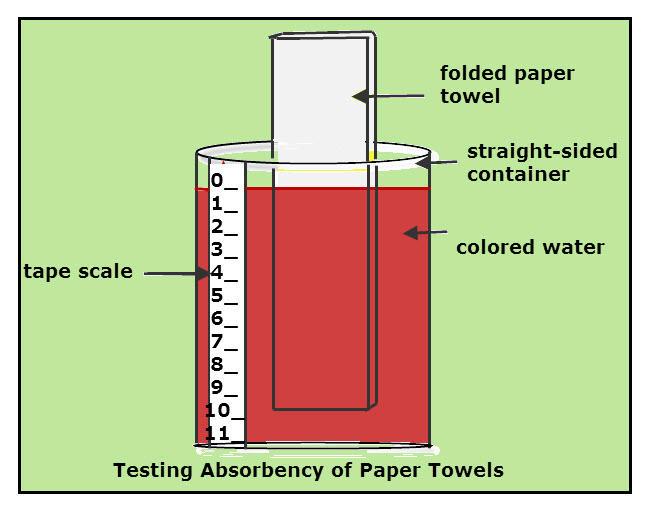 Science Project: Paper Towel Water Absorbency Rate - VanCleave's
Another practical takeaway is that temperature matters. Warm water has slightly weaker cohesion than cold water, which can actually make it flow faster through a paper towel. So if you’re cleaning up a hot tea spill, the towel might absorb it more quickly than a cold juice spill. Conversely, if you want to maximize absorption for a big clean-up, use room-temperature water or even a splash of warm water on the towel first—just not so much that it’s dripping. This trick works well for wiping down counters after cooking, where a slightly damp towel can attract and trap crumbs and grease more effectively.
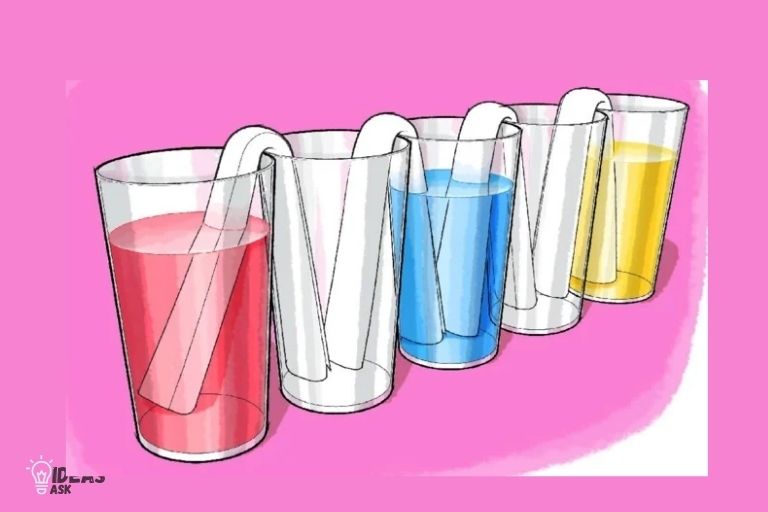
Finally, if you want to make the most of capillary action in other areas of life, think about gardening. When you water a plant, the soil’s structure determines how well water spreads to the roots. Mixing in materials like perlite or coconut coir creates tiny channels that mimic the fibers in a paper towel, improving water distribution. For a fun at-home experiment, fold a paper towel into a strip, dip one end into a glass of colored water, and watch the water crawl upward. It’s a simple demonstration of why this property is so useful—and a reminder that even the messiest spills can teach us something cool about the world.