Which Part Of A Leek Do You Use

Welcome to the wonderful, slightly mysterious world of leeks! If you’ve ever stood in your kitchen holding one of these elegant, pale-green vegetables, you might have felt a f...

Welcome to the wonderful, slightly mysterious world of leeks! If you’ve ever stood in your kitchen holding one of these elegant, pale-green vegetables, you might have felt a flicker of confusion. Which part do you actually use? The dark green fronds look so leafy, while the white base seems almost like a giant spring onion. It’s a question that has stumped many a home cook, but fear not—the answer is not only simple, it’s also a gateway to some seriously delicious cooking. Leeks are a culinary superhero, offering a milder, sweeter, and more refined flavor than onions, and once you know how to handle them, you’ll wonder how you ever lived without them. Learning which part to use isn’t just about avoiding waste; it’s about unlocking a whole new world of texture and taste in soups, stews, and stir-fries. Let’s dive in and turn that confusion into confidence!
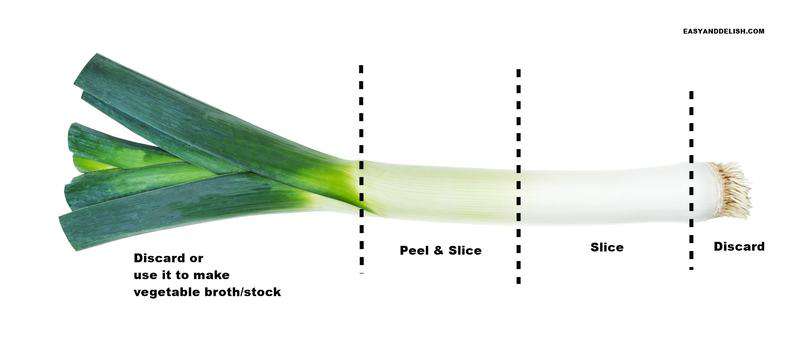
To understand which part of a leek you use, you first need to get to know its anatomy. A leek is essentially a tall, layered vegetable with three distinct zones. The root end is a small, fuzzy beard of tough fibers—definitely not for eating. Moving upward, you have the white and pale-green stalk, which is the tender, succulent part that most recipes crave. Then comes the dark green leaves, which are fibrous, tough, and sometimes even woody. Think of the leek like a cross between a scallion and a cabbage: the white and pale-green parts are your star players, soft and sweet when cooked, while the dark green tops are tougher and need a different approach. The key takeaway? You use the entire leek, but you use different parts for different jobs. This isn’t a waste-free philosophy in theory—it’s a practical, delicious strategy in action.
So, let’s talk about the white and pale-green stalk, the part everyone dreams of. This is the workhorse of the leek world. Slice it crosswise into delicate rings, and it turns into liquid gold when sautéed in butter. Use this part for classic recipes like potato-leek soup, where the leek’s gentle onion flavor blends seamlessly with creamy potatoes. Or try it in a simple risotto, where the slices soften into a silky, sweet base. For a quick weeknight win, chop the white stalk into half-moons and stir-fry them with garlic and spinach—they become tender and juicy in minutes. Pro tip: Because dirt loves to hide between the layers, always split the leek lengthwise and rinse it thoroughly under cold water, fanning the layers apart. A little patience here saves you from a gritty mouthful!
Must Read
But what about those tough dark green leaves? Don’t toss them! They’re not as tender as the base, but they’re flavor bombs in disguise. Their robust, grassy character makes them perfect for infusing stocks, broths, and braises. Tie a bunch of the green tops into a neat bundle with kitchen twine and simmer it in a pot of chicken stock with aromatics like bay leaf and parsley. After 20 minutes, you’ll have a broth with a deep, savory backbone. Even better: chop the dark greens finely and use them as a flavorful bed for roasting chicken or fish—they’ll char slightly and release a lovely, mellow onion essence. Some adventurous cooks even shred them into thin strips and blanch them for a minute to use as a noodle substitute in low-carb dishes. The green tops are not waste; they’re your secret weapon for adding depth without the sharpness of regular onions.
Now for a little creative inspiration: try a “whole leek” dish that celebrates every part. Imagine a sheet pan dinner where you roast the white stalk halves with olive oil and thyme until caramelized, then toss the chopped green tops into the same pan during the last five minutes for a crispy, almost seaweed-like finish. Or make a leek and goat cheese frittata: use the tender white and light-green parts for the fluffy egg base, and scatter the dark green strips on top as a crunchy garnish. Another brilliant trick is to grill or braise whole leeks. Trim off the roots and the very tip of the dark greens, then cook the whole stalk—the white part becomes buttery, while the green part softens into a smoky, slightly charred treat. It’s a one-ingredient marvel that screams, “I know what I’m doing in the kitchen!”
 Instant Pot Potato Leek Soup (Vegan) - Easy and Delish
Before you charge into leek-land, here are some practical tips to make your life easier. First, size matters: smaller leeks are generally more tender throughout, so if you find pencil-thin ones, you can use almost the entire length. Large, thick leeks have tougher greens, so reserve those for stocks. Second, cleanliness is next to leekiness: after trimming the root end and the dark green tips, slice the leek lengthwise, then chop it into half-rings and wash in a bowl of cold water. Let the dirt settle to the bottom, then scoop out the leek with a slotted spoon. This method guarantees grit-free results. Finally, storage wisdom: keep leeks in the fridge wrapped in a damp paper towel inside a plastic bag; they’ll stay crisp for about a week. Don’t store them near apples or pears, as the ethylene gas can make them bitter.
In the end, the question “which part of a leek do you use” has a wonderfully flexible answer. The white and pale-green stalk is your tender darling for soups, sautéed sides, and creamy sauces. The dark green leaves are your flavor powerhouse for stocks, roasts, and creative garnishes. And the whole leek, when treated with respect, can become a star act all on its own. So next time you bring home a leek, give it a confident smile. You’re now equipped to turn every single inch of this elegant vegetable into something delicious. No waste, no fuss—just pure, flavorful cooking. Go ahead, leek up your kitchen game!
