Which Oil Has The Highest Smoke Point

Welcome to a sizzling adventure into the world of cooking oils! If you’ve ever wondered which oil can handle a blazing hot pan without turning into a bitter mess, you’re in th...

Welcome to a sizzling adventure into the world of cooking oils! If you’ve ever wondered which oil can handle a blazing hot pan without turning into a bitter mess, you’re in the right place. Understanding the smoke point—the temperature at which oil starts to break down and release smoke—is not only fun because it’s a science‑eats test, but it also saves you from ruining a perfectly good dinner. Knowing the right oil for high‑heat cooking can give you crispier stir‑fries, golden fried foods, and a healthier kitchen environment, making every meal a little more impressive.
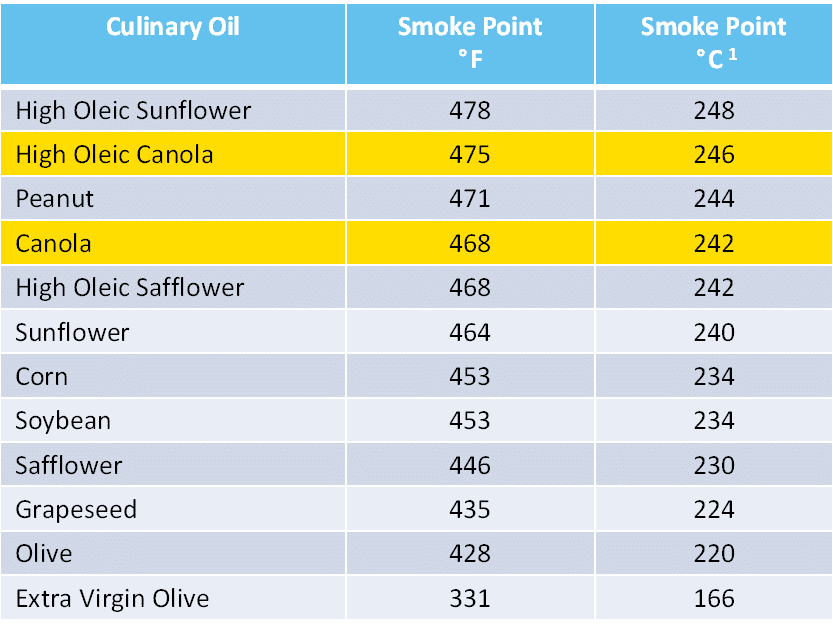
So why does the smoke point matter? When oil is heated beyond its stable temperature, it oxidizes, producing off‑flavors and even harmful compounds. A high smoke point means the oil stays stable, preserving its nutritional value and keeping the food tasting bright and clean. For example, a delicate extra‑virgin olive oil may smoke at around 375°F (190°C), which is fine for medium‑heat salads but not ideal for searing a steak. By contrast, oils engineered for high‑heat cooking can endure temperatures up to 500°F (260°C) or more, giving you the confidence to crank up the heat without a smoky kitchen.
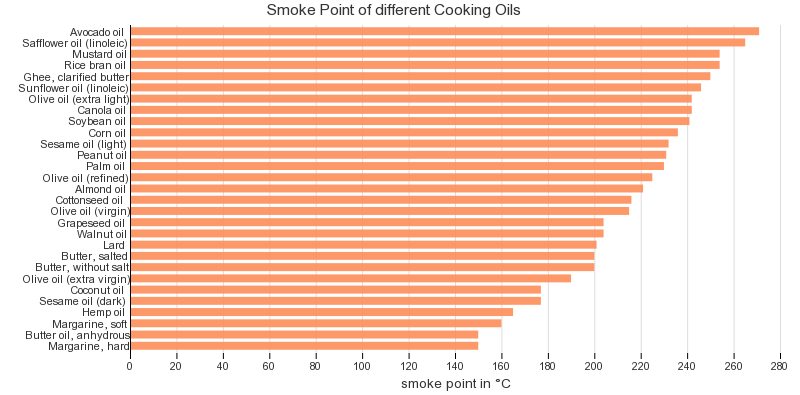
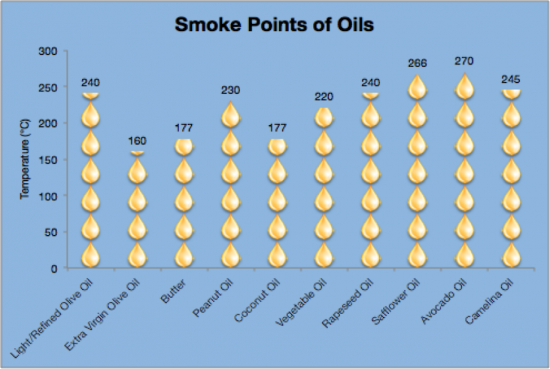
When it comes to the highest smoke points, a handful of oils consistently rise to the top of the list. Avocado oil takes the crown with a reported 520°F (271°C), making it perfect for deep‑frying and high‑temperature roasting. Right behind it, saflower oil reaches about 510°F (266°C), offering a mild flavor that won’t overpower delicate dishes. Refined coconut oil follows at 450°F (232°C), while rice bran oil sits at 490°F (254°C) and light olive oil tops out near 465°F (241°C). These numbers are not just trivia; they tell you which oils can safely handle a screaming hot skillet or a roaring oven.
Must Read
Imagine a sizzling stir‑fry where the avocado oil lets you sear vegetables in seconds, locking in crunch without a hint of bitterness. Or picture a batch of golden sweet‑potato fries that stay perfectly crisp because you used saflower oil at its 510°F limit. For baking lovers, refined coconut oil can replace butter in a high‑heat cookie recipe, delivering a subtle tropical note while still handling the oven’s fury. Even a simple drizzle of rice bran oil over a hot pan‑seared fish creates a glossy finish that stands up to the heat, proving that the right oil can turn everyday meals into culinary triumphs.
 Boiling Point For Oils at Mildred Wilkinson blog
To get the most out of these powerhouse oils, start by checking the label for unrefined versus refined versions—refined oils generally give a higher smoke point but milder flavor. Store them in a cool, dark cupboard to preserve their stability, and avoid reusing oil more than a few times, especially after it has reached its smoke point. When you’re ready to cook, pre‑heat the pan, add a thin layer of oil, and watch for that first shimmer; that’s your cue the oil is ready for the heat. Finally, pair the oil’s smoke point with the cooking method: use avocado oil for searing, saflower oil for frying, and rice bran oil for sautéing to achieve consistently excellent results.
Now that you know which oil can bravely face the flames, you’re equipped to elevate every dish with confidence. Whether you’re a weekend griller, a weeknight stir‑fry champion, or a baking enthusiast chasing that perfect golden crust, choosing an oil with a high smoke point is a simple yet powerful upgrade. Experiment, taste, and enjoy the difference—your palate (and your kitchen) will thank you for the extra sizzle! Feel free to share your favorite high‑oil creations on social media and inspire fellow cooks to keep the heat right.