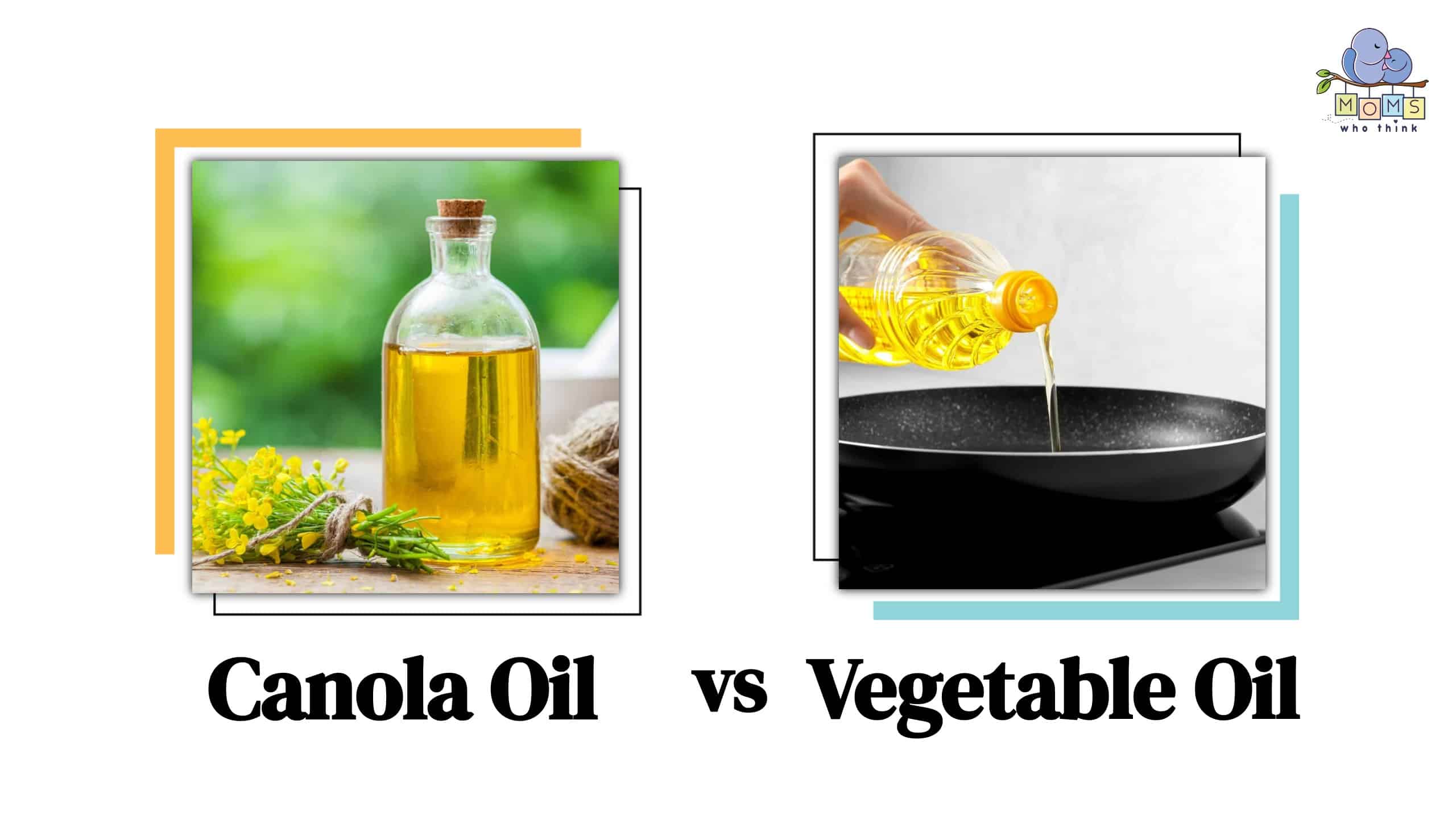
Which Is Healthier Vegetable Oil Or Canola Oil

Welcome, kitchen explorers! If you’ve ever stood in front of a wall of shiny bottles at the grocery store, wondering whether to grab the vegetable oil or the canola oil, you’r...
Welcome, kitchen explorers! If you’ve ever stood in front of a wall of shiny bottles at the grocery store, wondering whether to grab the vegetable oil or the canola oil, you’re not alone. This isn’t just a boring debate about fats—it’s a fun little detective story where you get to be the nutrition sleuth. Why is this helpful? Because the choice you make can affect your heart health, your cooking results, and even your wallet. The best part? You don’t need a lab coat to figure it out. By the end of this article, you’ll feel like a true oil expert, ready to drizzle, fry, and bake with total confidence.
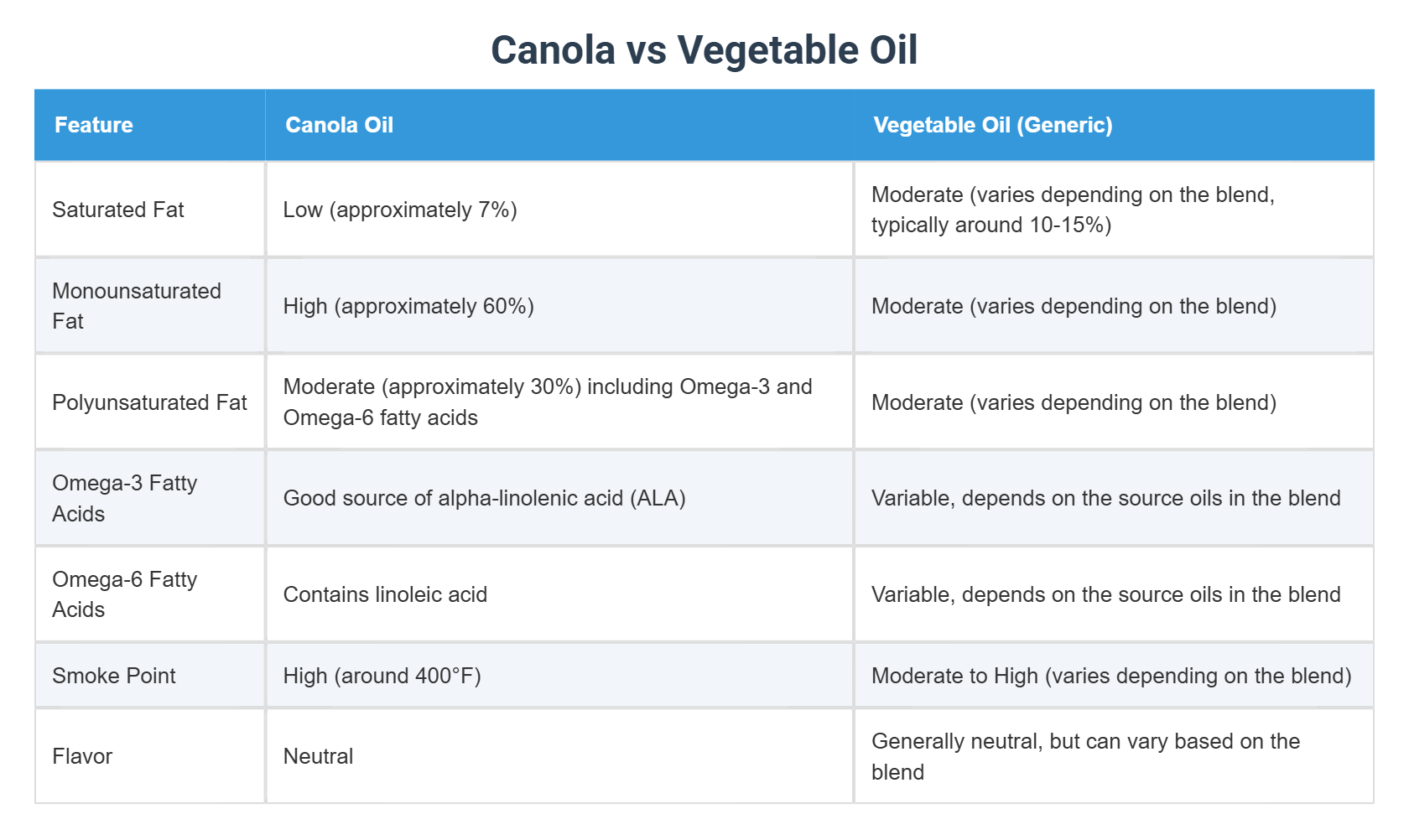
Let’s start with a quick, friendly truth: vegetable oil and canola oil are not the same thing. Vegetable oil is a catch-all term for a blend of oils—usually soybean, sunflower, corn, or palm—while canola oil is a specific oil made from a specially bred rapeseed plant. Imagine vegetable oil as a mystery mix at a party, and canola oil as the guest who shows up with a clear name and a résumé. This distinction matters because it affects everything from smoke points (how hot the oil can get before it burns) to nutritional profiles. For example, canola oil typically has less saturated fat than many vegetable oil blends, making it a popular choice for heart-conscious cooks. But don’t write off vegetable oil yet—its versatility and lower cost make it a superstar for everyday stir-fries and deep-frying.
Now, let’s get creative with science! Picture this: you’re making crispy french fries. You want an oil that can handle high heat without breaking down into weird compounds. Canola oil’s smoke point is around 400°F (204°C), which is excellent for deep-frying. Vegetable oil varies wildly—if it’s mostly soybean oil, it’s also good up to about 450°F, but if it’s blended with flaxseed or walnut oil, it might smoke at a much lower temperature. Here’s a fun experiment: next time you bake a cake, try swapping the vegetable oil for canola oil. Notice how the cake is a bit lighter and has a neutral flavor? That’s because canola oil is often less “oily” tasting. Or, if you’re making a vinaigrette, try a virgin vegetable oil (like one rich in sunflower oil) for a nuttier, more aromatic dressing. Think of your kitchen as a flavor laboratory, and these oils are your ingredients for delicious experiments.
Must Read
Let’s talk about the health headline that really matters: heart health. Both oils contain mostly unsaturated fats, which are the good guys for your cholesterol levels. But here’s the twist: canola oil has more alpha-linolenic acid (ALA), a type of omega-3 fatty acid that your body can’t make on its own. That’s a big plus for reducing inflammation and supporting brain function. Vegetable oil, on the other hand, often has more polyunsaturated fats, which are also good, but some blends (especially those with palm oil) can sneak in higher saturated fat. A 2018 review in the journal Lipids in Health and Disease even suggested that canola oil can lower LDL (“bad”) cholesterol better than many vegetable oil mixes. But don’t panic—if you use vegetable oil moderately, it’s still a perfectly fine choice for most people. The key is balance and variety.
Now, practical tips for your real kitchen life. First, check the label! If a bottle says “vegetable oil” but doesn’t list the specific oils inside, be a little suspicious—it might be mostly soybean oil, which is safe but less exciting. Second, store your oils properly. Both canola and vegetable oil can go rancid if exposed to light and heat for too long. Keep them in a dark cupboard, not next to your stove. Third, think about your cooking method. For high-heat searing (like steak), use canola because of its stability. For low-heat baking or sautéing, vegetable oil is perfect. And here’s a pro tip: if you’re making a recipe that calls for “vegetable oil,” but you only have canola, go ahead and swap it—the texture and taste will be nearly identical.
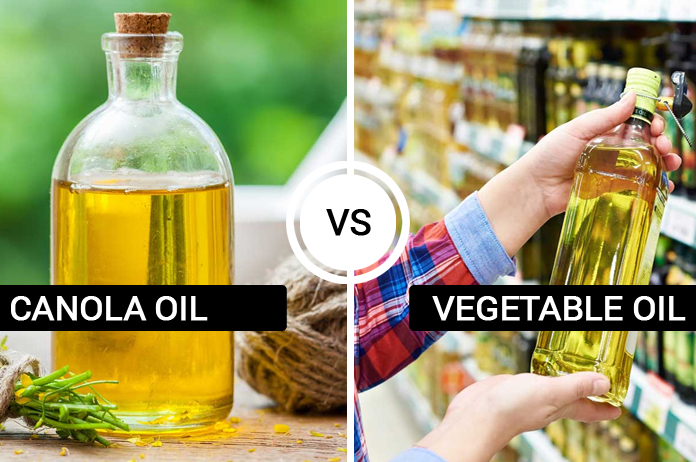 Learn Canola Oil Vs. Vegetable Oil: Which is a Healthier Option?
Let’s not forget the environmental angle, which is a fun talking point for your next dinner party. Canola oil is often grown in Canada and parts of Europe, while vegetable oil (especially soybean oil) is a huge crop in the United States and Brazil. Both have carbon footprints, but canola requires less pesticide use in many conventional farming systems. However, if you can find organic, non-GMO versions of either oil, you’re already making a healthier choice for you and the planet. For example, an organic sunflower-based vegetable oil might be as good for your health as canola, and it supports more sustainable farming. Your choice can be a small but meaningful vote for the kind of agriculture you believe in.
So, which is healthier? If you had to pick just one, canola oil edges out the win due to its lower saturated fat content and higher omega-3 levels. But here’s the real secret: the healthiest oil is the one you use in moderation and as part of a varied diet full of whole foods. Don’t stress over this decision! Instead, have both oils in your pantry—use canola for high heat and neutral flavor, and keep a bottle of high-quality vegetable oil for when you want a touch of nutty richness or a cheaper option for big batches. The bottom line? You’re already ahead of the game by thinking about it. Now go ahead, pour with confidence, and enjoy the delicious journey of cooking smarter, not harder.