Which Is Healthier Black Beans Or Refried Beans

Let’s be real: beans are a kitchen MVP. From a quick weeknight burrito bowl to the star of a backyard potluck, both black beans and refried beans get a lot of love. But when y...

Let’s be real: beans are a kitchen MVP. From a quick weeknight burrito bowl to the star of a backyard potluck, both black beans and refried beans get a lot of love. But when you’re staring down a can of each, wondering which one is actually the healthier choice for you and your family, the answer isn’t just about taste. It matters because smart food choices ripple out—they can mean better energy for your kids, lower sodium for your aging parents, and more room in your budget for other staples. Your plate is the starting point for community health, one meal at a time.
The biggest, most immediate reason this question matters is sodium. A half-cup of canned refried beans can pack around 500–600 mg of sodium—that’s almost a third of your daily limit in one tiny scoop. Black beans, straight from the can (rinsed and drained), usually hover around 100–200 mg. For anyone watching their blood pressure, or just tired of feeling bloated after dinner, that’s a massive difference. Your heart thanks you when you choose the simpler bean.
But it’s not just about salt. Fiber and protein are where both shine, but black beans often pull ahead because they’re less processed. A cup of cooked black beans gives you about 15 grams of fiber and 15 grams of protein—a solid foundation for a filling, blood-sugar-stable meal. Refried beans, while still good, lose some bite in the mashing and frying process; they often have added fats (like lard or oil) that can bump up calories fast. A family dinner with black beans keeps everyone fuller longer, which means fewer snack attacks an hour later.
Must Read
Here’s a real-life example: Friday taco night at my cousin’s house used to be a slippery slope of refried beans loaded with cheese and sour cream. She switched to whole black beans seasoned with cumin and garlic. The result? Kids ate them without complaints, her husband’s energy stayed steady, and they all cut about 400 mg of sodium from one meal. Another friend uses black beans as a base for “power bowls”—with rice, avocado, and grilled veggies—while saving refried beans for a rare, indulgent dip with chips. Small swaps add up to big wins over a week.
So, how do you apply this without feeling deprived? First, choose whole black beans 80% of the time for everyday meals—soups, salads, tacos. When you crave that creamy, refried texture, make a quick version at home: mash cooked black beans with a little olive oil, garlic, and a pinch of cumin. You control the salt and fat. If you’re buying canned refried beans, look for “no-salt-added” or “vegetarian” varieties, and always check the label for lard.
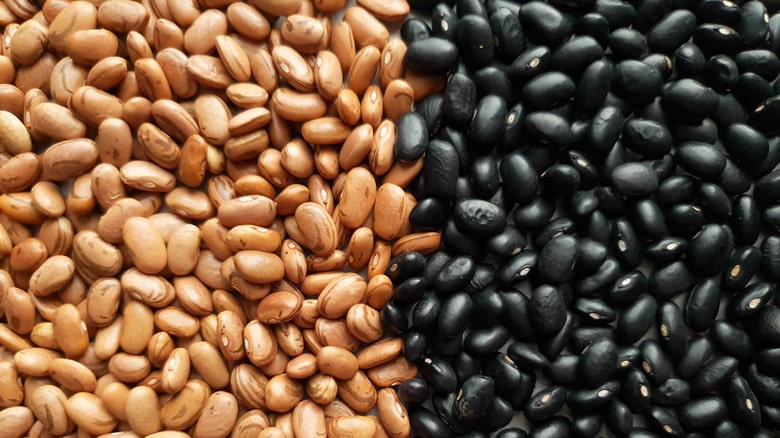 Black Beans Vs Tempeh: Which Is Healthier? – JCDAT
Second, embrace the batch-cooking method. Cook a big pot of dried black beans (soak overnight, then simmer for an hour) and freeze portions. You’ll have a cheap, low-sodium, high-fiber staple ready to go for under $1 per serving. Families on a budget can stretch this across three dinners and a lunch. Communities benefit, too—more home-cooked meals mean less reliance on processed, high-sodium fast food that affects everyone’s long-term health.
In the end, black beans are the clear winner for everyday health, but refried beans don’t have to be the villain. The key is moderation and intention. When you choose black beans most often, you’re voting for your body’s resilience, your family’s energy, and a kitchen that feels less heavy. Go ahead, scoop that black bean goodness into your next burrito, and know you’ve made a choice that’s simple, delicious, and quietly powerful.

