Which Is Healthier Albacore Or Yellowfin Tuna

So, you're standing in the seafood aisle, staring down two cans of tuna. One says "Albacore," the other says "Yellowfin." It's a classic tuna showdown, but which one is actual...
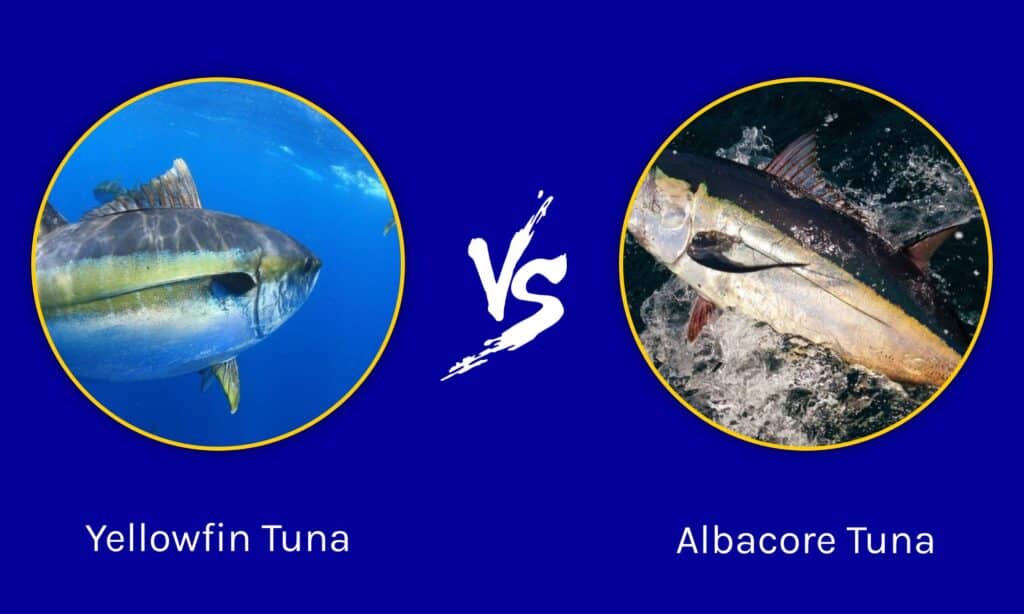
So, you're standing in the seafood aisle, staring down two cans of tuna. One says "Albacore," the other says "Yellowfin." It's a classic tuna showdown, but which one is actually better for you? Let’s dive in like we’re snorkeling through a kelp forest, but with fewer wet socks and more fun facts.
First off, both are fantastic choices if you're looking for lean protein, omega-3s, and a quick lunch. But here’s the thing: they’re not twins. They’re more like cousins—one’s the fancy, white-collar cousin who drives a hybrid, and the other is the sporty, sun-kissed cousin who surfs before brunch. Curious yet? Good.
The Basics: What’s in a Name?
Albacore tuna is the only fish that can legally be labeled "white tuna" in the U.S. It’s lighter in color, with a firm, flaky texture and a milder flavor. Think of it as the gentleman of the tuna world, polite and reliable in a tuna salad sandwich.
Must Read
Yellowfin tuna, on the other hand, is darker and richer, with a bolder taste. It’s often called "light tuna" on cans. If Albacore is a gentleman, Yellowfin is the adventurous friend who talks you into hiking a volcano at dawn. Both are cool, but they’re built for different vibes.
The Mercury Situation: Let’s Get Real
Okay, here’s the big, slightly uncomfortable topic: mercury levels. Albacore is a larger, longer-living fish, so it tends to have higher mercury concentrations. The FDA recommends limiting albacore to one 6-ounce serving per week for adults. That’s not a scare tactic—it’s just biology. Bigger fish eat smaller fish, and mercury builds up over time.
Yellowfin is smaller and younger when caught, meaning it typically has less mercury. You can safely eat it two to three times a week. So if you’re pregnant, nursing, or just someone who eats tuna like it’s a core food group, Yellowfin might be your chill buddy. But don’t stress—a can of Albacore now and then won’t turn you into a sci-fi mutant. Rhetorical question: Wouldn’t that make a cooler story, though?
Omega-3s: The Heart-Happy Fats
Here’s where it gets interesting. Albacore packs more omega-3 fatty acids per serving than Yellowfin. These are the good fats that support your brain, heart, and mood. If you’re trying to boost your omega-3 intake without swallowing a fish oil pill, Albacore is the star student.
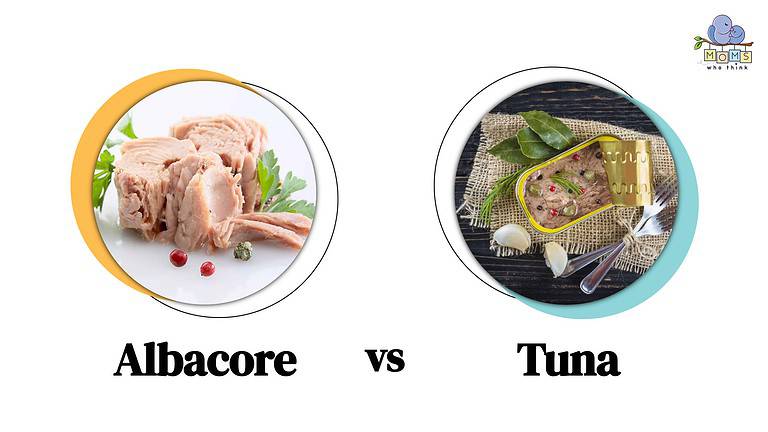 Albacore vs. Tuna: Uncovering Key Differences You Need to Know
Yellowfin still has plenty of omega-3s, but it’s a bit leaner. It’s like comparing a full-fat yogurt to a low-fat one—both are good, but one feels a little more indulgent. So if healthy fats are your main goal, reach for Albacore. But hey, if you’re adding avocado anyway, Yellowfin is totally fine.
Texture, Taste, and Tuna Tantrums
Let’s talk about the mouthfeel. Albacore is firmer and flakes into nice, meaty chunks. It’s almost like shredding cooked chicken. This makes it perfect for classic tuna melts, pasta salads, or eating straight out of the can when you’re too tired to cook. No judgment.
Yellowfin is softer and more moist, with a darker, reddish tone that screams “I’m a real fish, bro.” It’s excellent for poke bowls, seared steaks, or any dish where you want the tuna to be the star. Fun comparison: If Albacore is a comforting jazz tune, Yellowfin is a lively reggae beat. Both make you bob your head, just differently.
Sustainability: The Eco-Conscious Bite
Now, let’s peek behind the can. Albacore fishing methods vary. Pole-and-line caught Albacore is great for the ocean because it reduces bycatch (accidentally catching dolphins, turtles, etc.). But some Albacore is caught using longlines, which can be less friendly. Look for labels like "pole and line" or "MSC-certified" to sleep better at night.
 Comparing Albacore, Skipjack, Yellowfin and Bigeye,which one for your
Yellowfin is often caught using similar methods, and some populations are overfished. But if you buy skipjack tuna (often called "light tuna"), you’re usually getting Yellowfin or a mix, and it’s pretty abundant. Check the can: if it says “light tuna” and not “white tuna,” it’s likely Yellowfin. Rhetorical question: Isn’t it awesome that your lunch choice can help save the seas?
So, Which One Wins?
Here’s the friendly, non-committal truth: It depends on your priorities. Want to lower your mercury risk and eat tuna more often? Go with Yellowfin. Want a bigger omega-3 boost and a firmer texture? Albacore is your pal. Just watch your weekly portions—think of Albacore as a special treat, like a fancy coffee, and Yellowfin as your everyday go-to.
Also, don’t forget about taste. If you’re making a zesty Mediterranean salad, Yellowfin’s bolder flavor shines. If you’re whipping up a creamy tuna casserole, Albacore’s mildness blends beautifully. Fun comparison: Choosing between them is like picking between a cozy sweater and a breathable tee—both keep you covered, but for different weather.
Final Catch: The Best Tuna Is the One You Enjoy
In the end, the healthiest tuna is the one you actually eat—not what’s perfect on paper. Whether you grab a can of Albacore or Yellowfin, you’re getting a lean, low-calorie, high-protein source of goodness. So, go ahead, mix it up. One week, go for the white chunk. The next, dive into the light flake. Your taste buds and your body will thank you.
And remember: a little tuna with some whole-wheat crackers, a squeeze of lemon, and a sprinkle of curiosity is always a great meal. Now, isn’t that a win-win?
