Which Is Bigger Soft Taco Or Fajita Tortillas

There is a quiet joy in the preparation of a perfect taco night. The sizzle of seasoned meat, the vibrant crunch of fresh pico de gallo, the cool dollop of sour cream—but for...
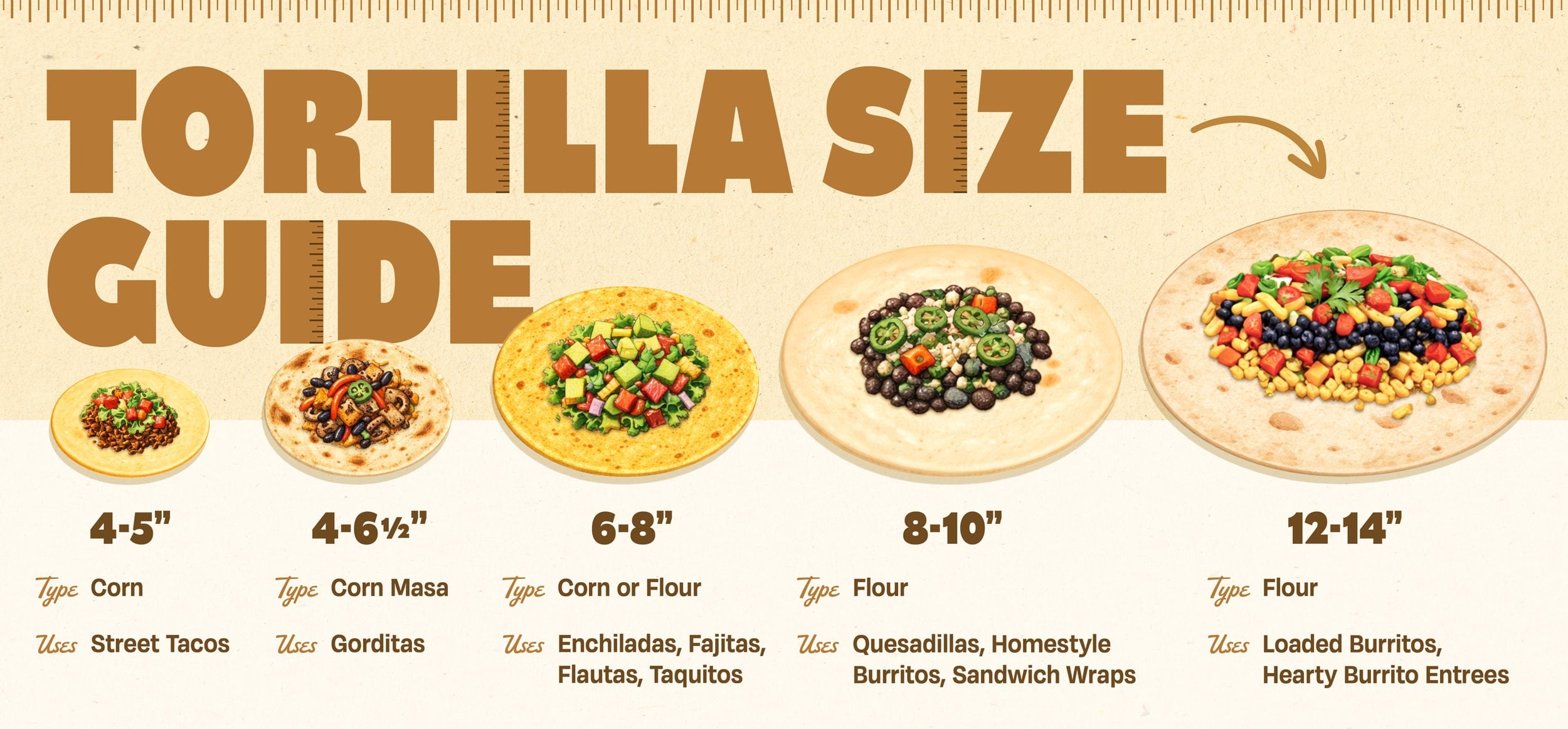
There is a quiet joy in the preparation of a perfect taco night. The sizzle of seasoned meat, the vibrant crunch of fresh pico de gallo, the cool dollop of sour cream—but for many, the true foundation of this experience lies in the choice of the vessel. The debate between a soft taco and a fajita tortilla is not one of superiority, but of purpose. Understanding their sizes and intended use unlocks a new level of control in the kitchen, transforming a simple meal into a personalized, balanced, and satisfying experience. It’s about knowing exactly which wrapper best suits the treasure it is meant to hold.
At the heart of the distinction is a fundamental difference in size and diameter. A standard soft taco tortilla, typically made from corn or flour, measures around 6 to 7 inches across. In contrast, a fajita tortilla—almost always flour-based—is significantly larger, ranging from 8 to 10 inches or more. This isn’t a minor variation; it is a deliberate design choice. The smaller soft taco is engineered for a single, handheld portion, ideal for a few generous spoonfuls of filling. The larger fajita tortilla, however, is built to accommodate a full spread of grilled proteins, peppers, onions, guacamole, and rice, often rolled or folded into a substantial burrito-style package.
The key purpose of this size difference is to match the structural demands of the dish. Consider a classic taco al pastor: a soft, double-stacked 6-inch corn tortilla is the ideal companion. It withstands the juicy pork, a splash of salsa, and a squeeze of lime without overwhelming the delicate balance of flavors. Now imagine the same filling inside an 10-inch fajita tortilla. The ratio would be off; you would have a massive, empty blanket of bread around a modest core. Conversely, imagine trying to stuff a massive fajita—loaded with carne asada, bell peppers, cheese, and sour cream—into a 6-inch tortilla. It would burst, leaking its delicious contents onto your plate. The soft taco prioritizes intimacy of flavor, while the fajita tortilla prioritizes capacity and structure.
Must Read
The benefits for everyday life become clear when you apply this knowledge. If you are hosting a casual gathering where people want to make their own plates, providing a mix of both sizes is a strategic move. Set out a stack of 6-inch soft taco tortillas for those who want a lighter, two-bite snack, and a stack of 10-inch fajita tortillas for those who prefer a hearty, all-in-one meal. This prevents waste and ensures everyone leaves satisfied. For meal prep, the larger fajita tortilla is a champion of convenience: you can wrap leftover stir-fry, beans, and rice into a portable, freezer-friendly burrito for a quick lunch. The smaller soft taco is better for a single-serving dinner or a quick breakfast taco with scrambled eggs and cheese.
A simple example helps ground this in reality. Picture a Tuesday night family dinner. You have seasoned chicken, charro beans, shredded lettuce, and a variety of salsas. If you use a 6-inch soft taco tortilla, each family member might eat three or four individual tacos, creating a rhythmic, shareable experience. If you use a 10-inch fajita tortilla, each person might make one large burrito-like wrap, focusing on layering ingredients for a single, satisfying cylinder. The choice influences not just the taste, but the pacing and social dynamics of the meal—smaller tacos encourage sampling and conversation, while larger wraps promote a focused, individual feast.
 Unterschiede Zwischen Einem Fajita Tortilla ___ Ein Burrito – OIWRNZ
For those eager to explore this on their own, start by reading the package labels carefully at the grocery store. Look for the diameter listed in inches or centimeters. Next, experiment with your fillings: try using a 6-inch tortilla for wetter, saucier fillings like carnitas or barbacoa, as the smaller size helps contain the moisture. Use the 8- to 10-inch tortilla for drier, chunkier ingredients like grilled steak strips or roasted vegetables, which need the extra surface area for even distribution. A useful tip is to warm both sizes on a dry skillet or comal for 30 seconds per side—this makes them pliable and prevents cracking, regardless of which you choose.
Ultimately, the question of which is bigger is answered with a simple measurement, but the real value lies in applying that knowledge to your own needs. The soft taco tortilla is bigger in its ability to deliver a pure, focused flavor in a modest package. The fajita tortilla is bigger in its capacity to hold a complete, robust meal in a single wrap. Neither is superior; each is a tool designed for a distinct purpose. By understanding this, you empower yourself to cook with intention, reduce food waste, and tailor every meal to the moment—whether it’s a quick snack or a sprawling feast. So next time you plan taco night, measure twice, fill wisely, and enjoy the perfect bite every time.
