Which Is Better Tuna In Water Or Oil

Let’s be real for a second. You’re standing in the grocery aisle, and it’s just you and a wall of canned tuna. Water or oil? It’s a small question, but it feels oddly huge, ri...

Let’s be real for a second. You’re standing in the grocery aisle, and it’s just you and a wall of canned tuna. Water or oil? It’s a small question, but it feels oddly huge, right?
The thing is, there’s no single “right” answer. It’s more like choosing between a crisp, clean morning and a rich, cozy evening. Which one sounds better to you right now?
The Water Pick: Lean and Clean
Tuna packed in water is the gym buddy of the seafood world. It’s lean, it’s simple, and it doesn’t mess around. You get the pure, straightforward taste of the fish itself.
Must Read
This is your go-to if you’re counting calories or just want a lighter bite. A 3-ounce serving of water-packed tuna has about 100 calories and less than a gram of fat. It’s basically a blank canvas.
Think about a salad, a wrap, or a simple tuna bowl. Water-packed tuna shines here because it doesn’t drown your other ingredients. It lets the crunch of the celery or the tang of the lemon really pop.
But—and this is a big but—it can be a little dry. You know that feeling? Like you’re chewing on a fluffy, slightly sad cloud. If you hate that, you’ll need to add mayo, yogurt, or a splash of olive oil anyway.
So, is water-packed tuna boring? Not really. It’s more like that friend who’s always up for anything. It’s reliable, versatile, and never shows up overdressed.
The Oil Pick: Rich and Succulent
Now, flip the can over. Tuna packed in oil is the luxurious cousin who brings a bottle of good wine to the party. It’s already seasoned, it’s already moist, and it tastes decadent right out of the can.
Most brands use olive oil, soybean oil, or sunflower oil. That oil isn’t just a filler—it’s a hug for the tuna. It keeps the flakes tender, silky, and incredibly flavorful. You don’t even need to add anything else.
Here’s where it gets interesting: the oil itself is a bonus. Drizzle that leftover herby olive oil over a piece of crusty bread. Or toss it with some pasta and garlic. You just got a free flavor bomb.
The downside? Calories and fat. A 3-ounce serving of oil-packed tuna can clock in at around 200 calories and 10 grams of fat. That’s not a bad thing unless you’re watching those numbers closely.
But honestly, for a tuna melt or a quick antipasto platter, oil-packed tuna is king. It’s already perfect. It’s the “I don’t need to change a thing” option. Isn’t that nice sometimes?
Texture Showdown: Flakes vs. Firm
Let’s talk about the mouthfeel, because that’s half the fun. Water-packed tuna tends to flake into smaller, softer pieces. It can almost crumble in your hands.
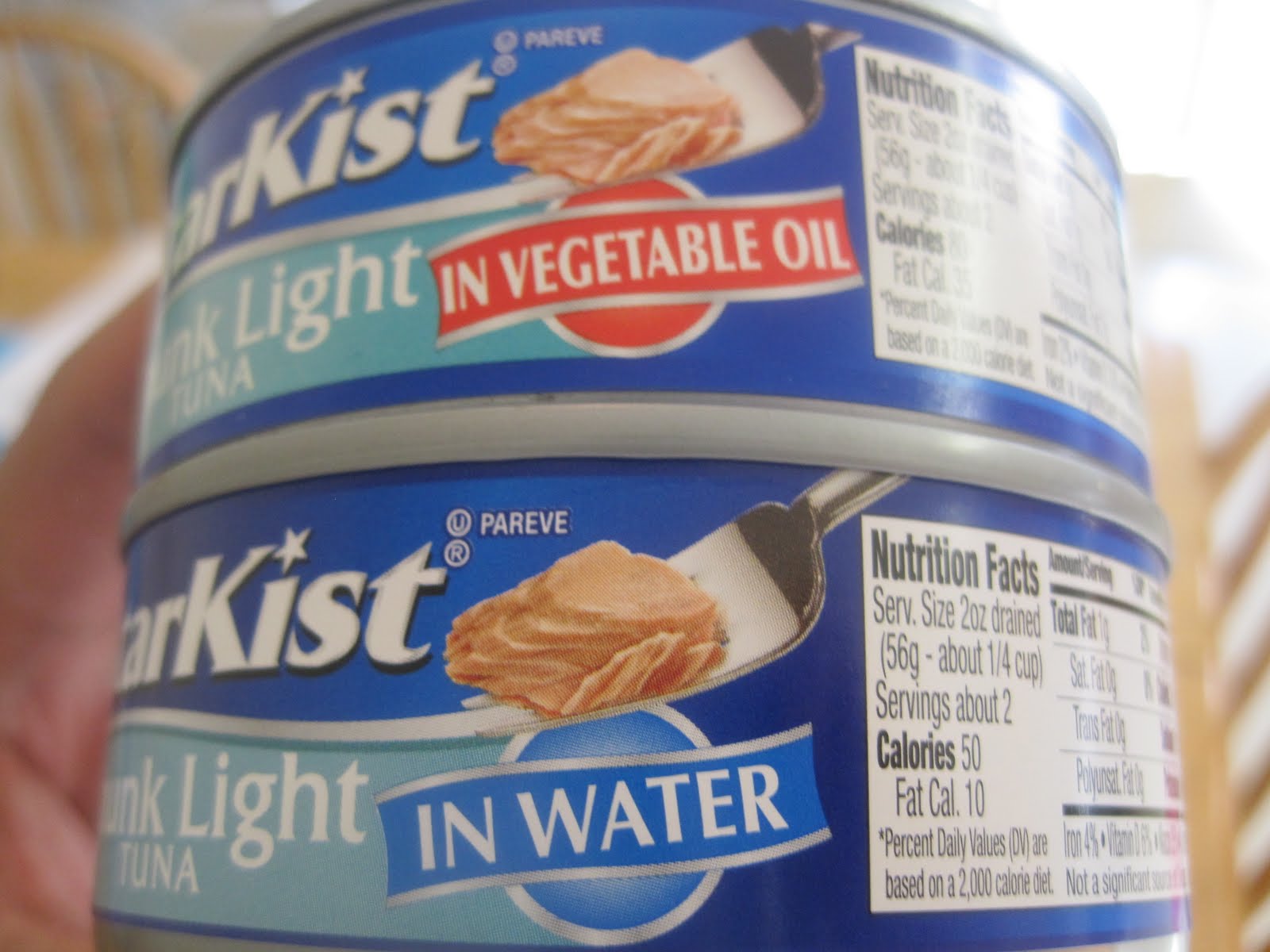 the mixed stew: Wednesday's Helping: Tuna in Water vs. Tuna in Oil
Oil-packed tuna, on the other hand, stays in bigger, firmer chunks. It feels more like a real piece of fish. It has a satisfying, almost meaty bite to it.
Imagine a delicate, airy croissant versus a dense, buttery brioche. Both are bread, right? But they hit completely different spots. Do you want light and fragile, or rich and substantial?
The Omega-3 Question
Here’s a fun science bit. Tuna is famous for omega-3 fatty acids, which are great for your heart and brain. But here’s the twist: when tuna is packed in oil, some of those omega-3s can leach out into the packing liquid.
If you drain the oil, you’re pouring away some of those good fats. Water-packed tuna keeps more of its omega-3s locked inside the fish itself. So if you’re eating it for the health halo, water might win this round.
But wait—if the packing oil is high-quality olive oil, you’re adding healthy monounsaturated fats, too. It’s kind of a trade-off. Do you want the tuna’s omega-3s, or do you want a double dose of good oil?
How to Pick Your Perfect Can
Let’s make this stupid simple. Are you making a salad or a dip? Go water-packed. It won’t fight your other ingredients. It plays nice.
Are you eating it straight from the can with a fork, or putting it on crackers? Go oil-packed. It’s already seasoned, and it tastes like a tiny indulgence. You’ll feel like a fancy cat, and I mean that as a huge compliment.
Are you on a low-calorie or low-fat kick? Water is your buddy. Are you on a low-carb or keto diet? Oil is your friend because the fat will keep you full and happy.
My personal rule? Keep both in your pantry. Water for the weekday lunches, oil for the weekend nibbles. You’re not committing to a lifestyle—you’re just opening a can of fish. Have fun with it.
At the end of the day, neither is “better.” It’s like asking if coffee is better with or without milk. It depends on the moment, the mood, and the meal. So next time you’re in that aisle, ask yourself: What kind of tuna adventure am I in the mood for today?
Your taste buds will thank you. And honestly, you can’t go wrong either way.
