Which Fruit Has The Highest Sugar Content

Fruit is nature’s candy, a vibrant and refreshing source of sweetness that we reach for when a sugary craving strikes. Whether it’s a juicy slice of watermelon on a hot summer...
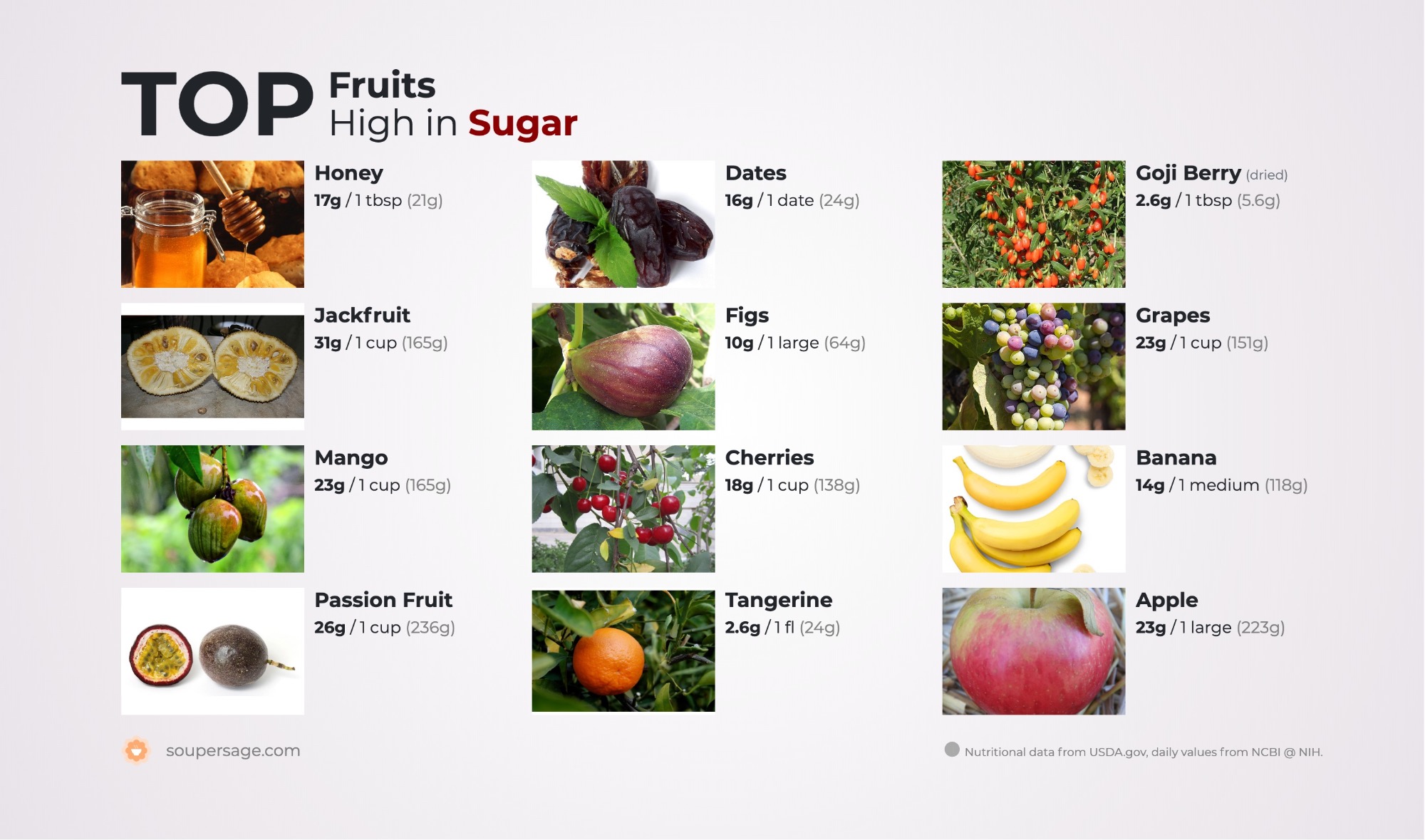
Fruit is nature’s candy, a vibrant and refreshing source of sweetness that we reach for when a sugary craving strikes. Whether it’s a juicy slice of watermelon on a hot summer day or a handful of grapes to fuel an afternoon slump, fruit offers a unique pleasure: a guilt-free treat that also delivers essential vitamins and fiber. The key purpose of fruit in our diet is to provide quick, natural energy, vitamins like C and A, and antioxidants that combat inflammation. For everyday life, incorporating fruit is a simple way to satisfy a sweet tooth while staying hydrated and nourished—like grabbing a banana before a morning jog or adding berries to oatmeal for a fiber boost. However, not all fruits are created equal when it comes to sugar content, and understanding which ones pack the most can help you make smarter choices for energy balance or blood sugar management.
When we talk about sugar in fruit, we’re referring to fructose, a natural sugar that your body metabolizes differently than refined sugar. While fruit is generally healthy, some varieties are surprisingly high in sugar, rivaling the sweetness of candy. Take grapes, for instance: a single cup contains about 23 grams of sugar. But the crown for the highest sugar content belongs to the date. Dates, particularly Medjool dates, are small but mighty; one dried date can contain 16 grams of sugar, and a typical serving of three dates delivers nearly 50 grams—more than a can of soda. Mangoes are another contender, with a single fruit housing up to 46 grams. For context, a person running for 30 minutes burns roughly 200–300 calories, but consuming a mango would require nearly that entire run just to process its sugar load. This isn’t to scare you off, but to highlight a key scenario: if you’re on a low-sugar diet or managing diabetes, knowing that a single date or a slice of watermelon (another notable source) can spike your blood glucose is a crucial insight.
Why should we care about fruit sugar if it’s natural? The benefit lies in balance. Fruits like dates and mangos are calorie-dense and provide a rapid energy source, making them ideal for athletes before a workout or for someone needing a quick pick-me-up. The natural sugar in fruit comes packaged with fiber and water, which slows down absorption and prevents the sharp insulin spikes of processed sweets. For example, if you eat a whole apple (about 19 grams of sugar), the fiber helps your body process it steadily, whereas a glass of apple juice with the same sugar content hits your system like a rush. The crucial distinction is that whole fruit’s high-sugar varieties, like lychee or cherries, still offer antioxidants and anti-inflammatory compounds—like the anthocyanins in cherries that aid muscle recovery. So, while you should be mindful of portion sizes, you don’t need to fear them; an occasional mango is a vibrant treat that supports immunity and digestion.
Must Read
To gain perspective, consider a typical day: You start with a smoothie made with a banana and a handful of grapes. That’s roughly 30 grams of sugar—about 75% of the daily added sugar limit recommended for women. Yet, because it’s whole fruit, you also get potassium and vitamin C. The scenario changes if you’re snacking on dried fruit, like raisins or dried figs: a quarter-cup of raisins (about 40 grams) contains 29 grams of sugar. Dried fruits are significantly more concentrated, so the same volume packs three to four times the sugar of fresh fruit. This is a common pitfall for health-conscious people who grab a bag of dried mango thinking it’s a healthy snack. The practical takeaway is that while all fruits are nutritious, those with the highest sugar content—dates, mangoes, grapes, cherries, and lychee—should be eaten in moderation, especially if you’re active or monitoring your carb intake.
 Top 21 High Sugar Fruits Chart | Sugar content in fruit, Chicken wire
Here are a few simple tips for exploring this topic on your own. First, read nutrition labels on dried fruits: you’ll be surprised that a small package of dried dates can have as much sugar as a candy bar. Second, pair high-sugar fruits with protein or fat—like mango with Greek yogurt or dates with almond butter—to slow sugar absorption and keep you full longer. Third, if you crave sweetness, choose berries or citrus as your go-to fruits; a cup of strawberries has only 7 grams of sugar, while an orange has about 12. Finally, experiment with ripeness: a ripe banana has nearly twice the sugar of a green one because starches convert to sugar. By tracking how these fruits affect your energy and appetite, you can tailor your choices to your lifestyle—maybe using dates as a pre-run fuel and strawberries for dessert.
Ultimately, the fruit with the highest sugar content—the date—is not an enemy but a concentrated source of energy and nutrients. Its purpose is to provide a quick, natural lift, and its benefits shine when you respect its potency. In everyday life, a date can be a better alternative to refined sugar in baking or a perfect sweetener for oatmeal. The key to enjoying it is to treat high-sugar fruits as occasional treats rather than daily staples, while leaning on lower-sugar options like apples, berries, and melons for regular snacking. Awareness, not avoidance, is the path to eating fruit wisely—so you can savor every sweet, natural bite without the guilt or the sugar crash.
