Which Fabrics Shrink The Most

Have you ever pulled a favorite cotton t-shirt out of the dryer, only to find it now fits your neighbor’s cat? It’s a classic laundry-room tragedy, isn’t it? We’ve all been th...

Have you ever pulled a favorite cotton t-shirt out of the dryer, only to find it now fits your neighbor’s cat? It’s a classic laundry-room tragedy, isn’t it? We’ve all been there, staring at a shrunken sweater and wondering, “Why me?” But here’s the fun part: not all fabrics are created equal when it comes to shrinking. Some are practically begging for a hot water bath, while others barely budge.
Why do fabrics shrink anyway?
Think of fabric like a bundle of tiny, stretched-out springs. When you wash or dry them with heat, the tension from the factory relaxes, and those springs snap back to their natural shape. That’s why your brand-new jeans might feel a little tighter after a spin in the machine.
The real culprit is something called relaxation shrinkage – the fibers literally un-stress themselves. It’s not magic, it’s physics, but way more frustrating. So, which fabrics are the biggest drama queens in the laundry basket?
Must Read
Cotton: The king of shrinking
Let’s be honest: cotton is the fabric world’s most famous shrinker. It’s a natural fiber that absorbs water like a sponge, which makes it swell and contract when heated. Have you ever dried a 100% cotton shirt on high? It’s like watching a magic trick you didn’t ask for.
A typical cotton T-shirt can lose up to 5% of its size after one hot wash and dry. That’s almost a whole inch in the chest! If you’re a fan of fitted clothes, maybe stick with cold water and air-drying.
But here’s a cool twist: preshrunk cotton exists. Some brands treat it to shrink before it hits the store, so you get fewer surprises. Still, never trust a cotton blend blindly—it’s always a gamble.
Wool: The dramatic cousin
Now, let’s talk about wool. This fuzzy friend isn’t just a shrinker—it’s a felter. When wool fibers rub together with heat and moisture, they lock into a tight, matted mess. Remember that sweater you accidentally tossed in the washer? It’s now a tiny rug for a dollhouse.
Wool can shrink up to 50% in the dryer if you’re not careful. That’s like turning a size Large into a dog sweater. It’s fascinating, honestly, how aggressive wool can be about it.
The secret? Always hand-wash wool in cool water and lay it flat to dry. Or just accept that your future is full of miniature sweaters. Your choice.
Linen: The wrinkly, silent shrinker
Linen is cool and breezy, but it’s also a stealth shrinker. It behaves a lot like cotton—it loves water—so it can shrink by 3% to 5% on the first wash. The difference? Linen looks elegant while doing it.
 Men's Shirts That Survive the Wash: Shrink-Proof Picks Tested – COOFANDY
You might not notice the shrinkage until your favorite linen pants ride up your ankles. Is it a fashion statement or a wash-day oops? You decide. For less drama, wash linen in cold water and take it out of the dryer while it’s still damp.
Fun fact: some people intentionally shrink linen to create a softer, lived-in feel. So, if you want that “I just came from a vineyard in Provence” vibe, go ahead and shrink it a little.
Polyester and synthetics: The rebels
Here’s a relief: polyester barely shrinks. It’s a plastic-based fiber, so it doesn’t absorb water the way natural fibers do. You can practically throw a polyester dress in a volcano and it’ll come out the same size—not recommended, but you get the point.
Nylon and spandex are similar; they’re synthetic rebels that resist heat. But be careful: if a fabric is blended with cotton (like a “poly-cotton” mix), it can still shrink, just less. It’s like a shy kid at a party—still affected, but not the main event.
If you hate surprises, check the tag for words like “100% polyester” or “synthetic.” Those are your low-shrink friends.
Rayon and bamboo: The dramatic wannabes
Rayon is a semi-synthetic made from wood pulp, and it’s a total wildcard. It can shrink up to 10% if you look at it wrong. Seriously, washing rayon on warm is like inviting a mischievous gremlin into your laundry room.
Bamboo fabric is similar—it’s often processed into rayon-like fibers. It feels silky and eco-friendly, but it’s very sensitive to heat. One hot cycle, and your bamboo pajamas become crop tops.
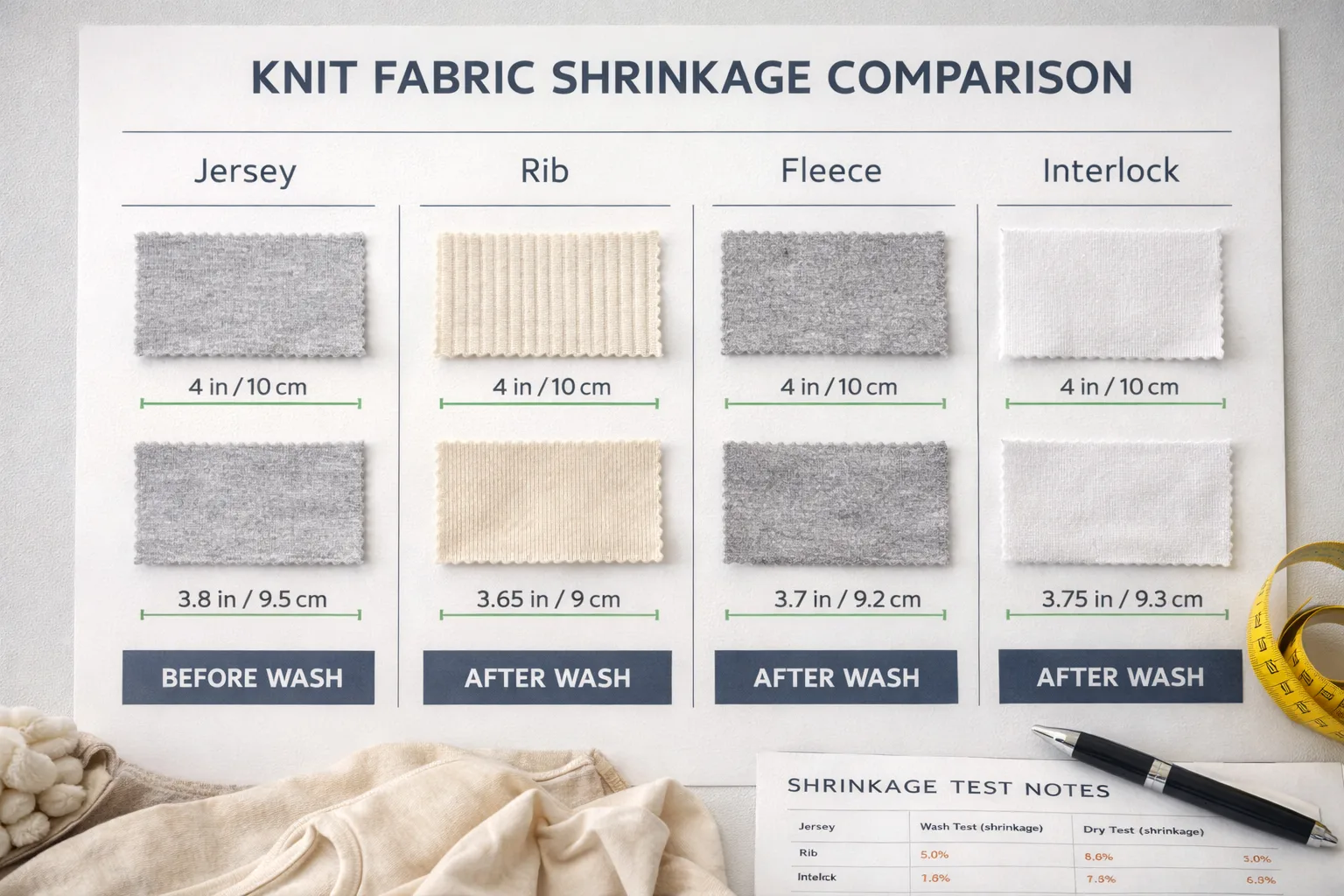 Understanding Fabric Shrinkage: Standards and How to maintain Fabric
The takeaway? Treat rayon and bamboo like ancient artifacts: cold wash, low heat, or air dry. Your future self will thank you.
Denim: The tough guy with soft spots
Denim is heavy-duty, but it’s still made from cotton, so it can shrink—usually by 1% to 3%. That might not sound like much, but try fitting into jeans that are half an inch too short in the inseam. Ouch.
Here’s a pro tip: raw denim shrinks a lot more than pre-washed denim. Some denim heads actually buy jeans two sizes too big, then shrink them to a perfect fit. It’s like tailoring, but with hot water and hope.
If you don’t want that drama, wash your jeans inside out in cold water and skip the dryer. Or just embrace the “high-water” look. It’s trendy this year, right?
So, which fabric shrinks the most?
The champion of shrinkage is wool, by a landslide. It can lose half its size in extreme conditions. Cotton comes in second, then rayon and linen as strong contenders. Synthetics like polyester are the chill ones who barely move.
It’s kind of cool when you think about it: these fibers have a memory. They remember their original shape and try to return to it when stressed. Next time your favorite top shrinks, you can blame the fabric’s personality.
In the end, knowledge is power. Check your care labels, use cold water, and maybe invest in a good steamer. Or just learn to love smaller clothes—they’re very eco-friendly, right? Happy shrinking, or not shrinking—your call.
