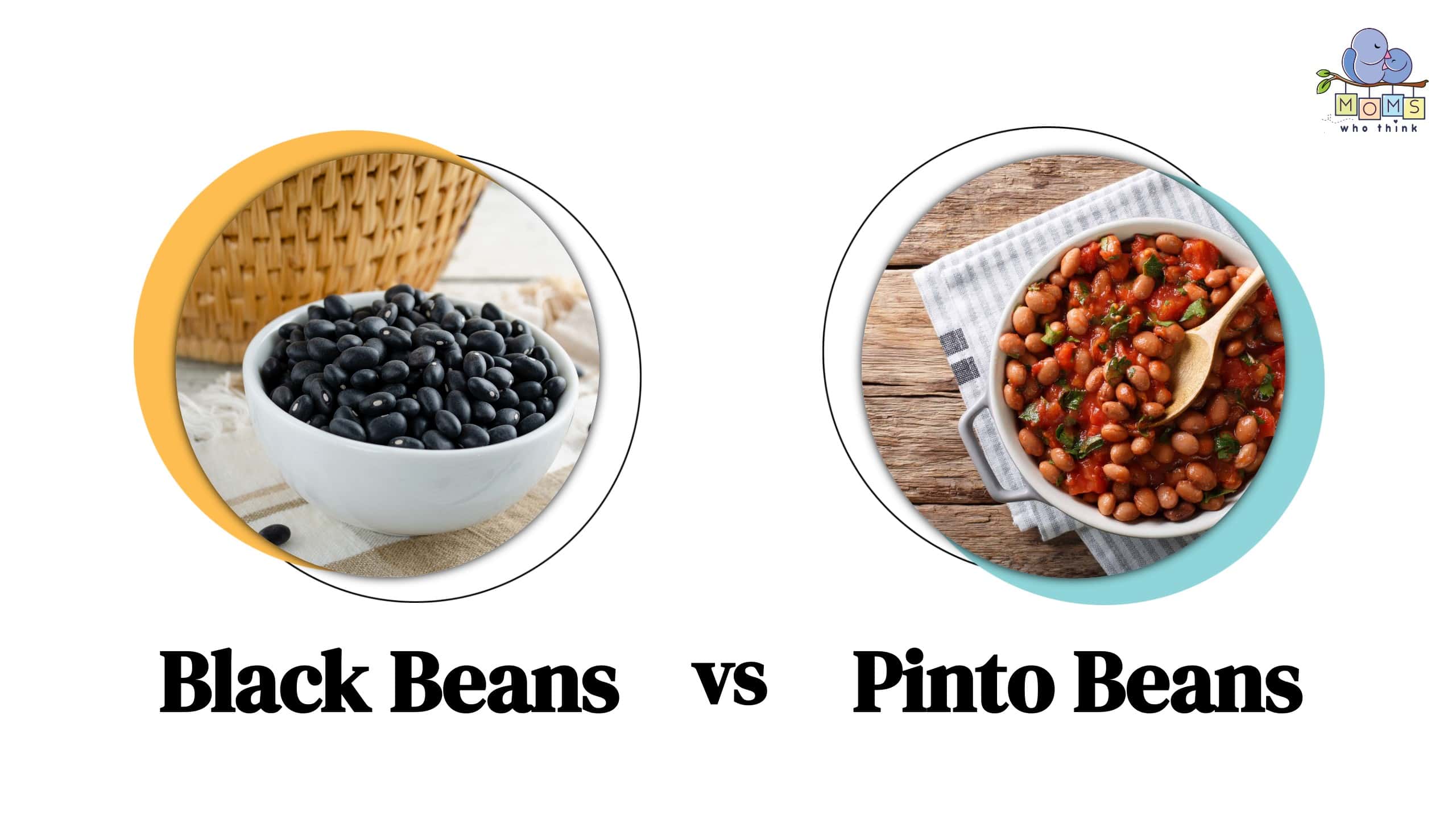
Which Are Healthier Pinto Or Black Beans

Beans have been a cherished part of cuisines around the world for centuries, and for good reason. They are affordable, versatile, and packed with nutrients that support a heal...
Beans have been a cherished part of cuisines around the world for centuries, and for good reason. They are affordable, versatile, and packed with nutrients that support a healthy lifestyle. People value them not only for their taste but also for the way they can turn a simple dish into a satisfying meal. Whether you are looking to boost your fiber intake, add plant‑based protein, or simply enjoy a comforting side, the choice of bean can make a noticeable difference. In this article we will explore which are healthier: pinto or black beans.
The main purpose of this comparison is to give you a clear picture of how each bean aligns with common health goals as weight management, heart health, and sustained energy. By looking at macronutrients, micronutrients, and antioxidant content, you can decide which bean fits your dietary plan best. Both pinto beans and black beans are excellent choices, yet they respond differently to cooking methods and flavor profiles. Understanding these nuances helps you make an informed decision for everyday meals, from a quick weeknight stew to a nutritious bowl of salad. Both also provide a modest amount of iron and B‑vitamins, essential for energy metabolism.
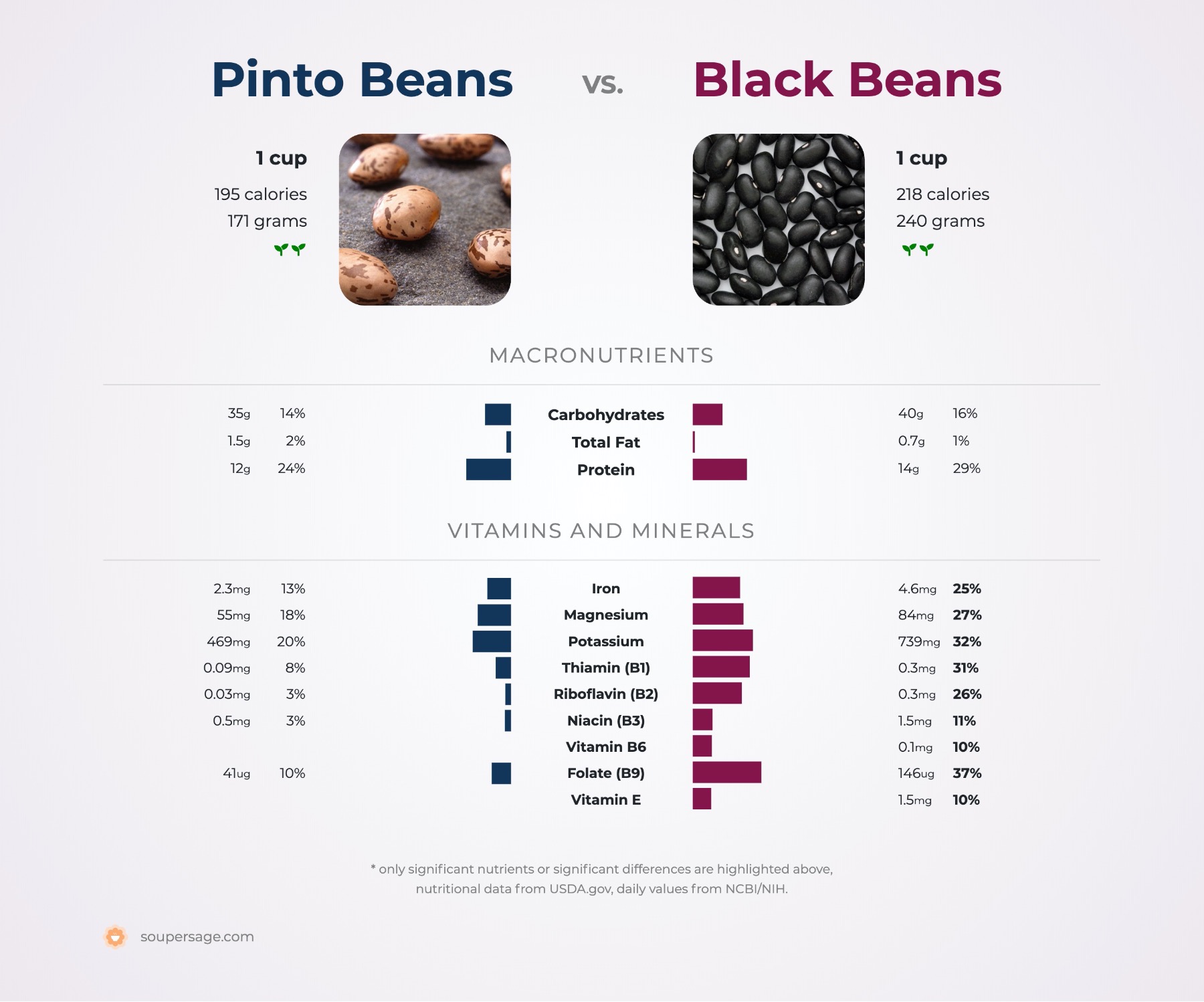
Pinto beans have a creamy texture and mild flavor, making them a favorite in chili, refried dishes, and rice bowls. Nutritionally, they deliver a solid dose of complex carbohydrates that release energy slowly, helping you stay full longer. A half‑cup serving supplies about 200 calories, 8 g protein, 6 g fiber, and important minerals such as magnesium and potassium. Their high fiber content supports digestion and can help lower cholesterol. They also contain folate, vital for cell repair, and a modest amount of omega‑3 fatty acids that reduce inflammation.
Must Read
Black beans stand out with their deep color, which signals a high level of flavonoids and antioxidants. These compounds can help neutralize free radicals, protecting cells from oxidative stress. A half‑cup serving offers about 190 kcal, 9 g of protein, 7 g of fiber, and a richer profile of iron than most other beans. Their protein quality is close to that of lean meat, making them an excellent protein source for vegetarians and vegans. Moreover, black beans have a lower glycemic index, so they cause a steadier rise in blood sugar, which can be beneficial for those managing diabetes. They also contain generous amounts of magnesium, which supports muscle function and nerve signal transmission.
:max_bytes(150000):strip_icc()/HDC-blackbeans-vs-pintobeans-d8cdc8a3a3e84e6d824585a6dfcb6f67.png) Black Beans vs. Pinto Beans: Which Are Better for Protein and Fiber?
Black Beans vs. Pinto Beans: Which Are Better for Protein and Fiber?
Consider a typical Tuesday night when you are short on time. A quick bowl of chili made with pinto beans delivers creamy texture and mild spice, while a black bean salad with avocado and lime offers a burst of antioxidants and chewy contrast. If your goal is to keep satiety high and blood‑sugar spikes low, the lower glycemic index of black beans may serve you better. Conversely, if you want a richer source of folate for a growing family, pinto beans could be the smarter pick. By aligning the bean’s strengths with your specific health objective, you create meals that are both nutritious and enjoyable.
To explore these beans on your own, start by buying small portions from a local grocery store and comparing labels for sodium and added sugars. Try preparing each bean in the same simple way—boil or use a pressure cooker—to taste how their flavors develop. Record how you feel after each meal: note energy levels, digestion, and satiety. You can also mix them in a 50/50 ratio in soups or salads to experience the combined benefits. Finally, experiment with spices and herbs to see which bean better complements your preferred seasoning profile, turning nutrition into a enjoyable culinary experiment and compare the results with your taste preferences.