Which Airline Has The Most Crashes

There’s something oddly fascinating about pondering which airline has the most crashes. It’s a topic that mixes a bit of morbid curiosity with a deeply practical purpose: peac...
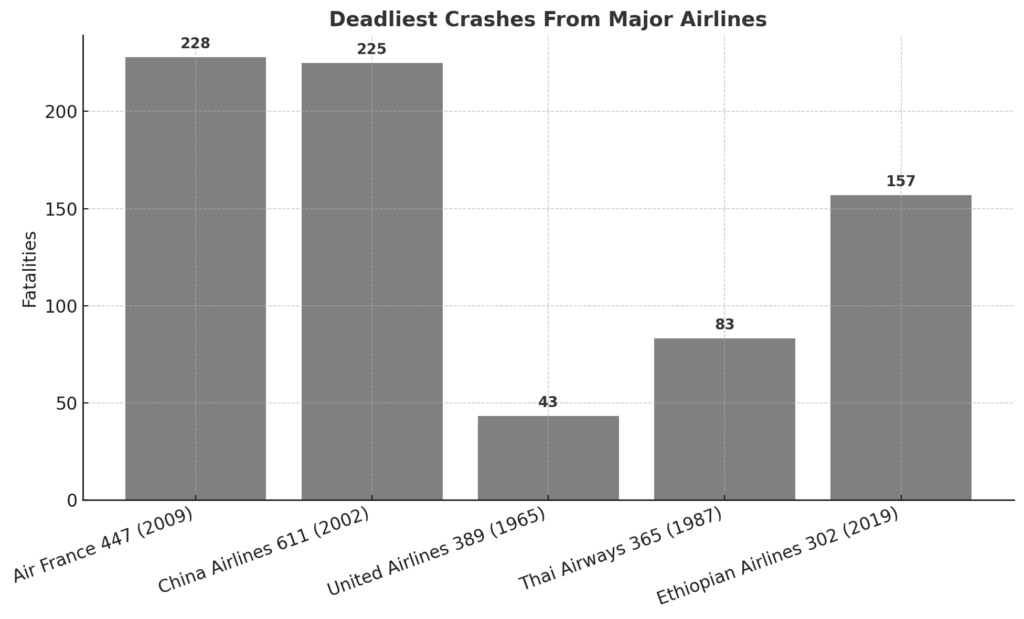
There’s something oddly fascinating about pondering which airline has the most crashes. It’s a topic that mixes a bit of morbid curiosity with a deeply practical purpose: peace of mind. For nervous flyers, it’s a way to confront a common fear with data; for frequent travelers, it’s a tool for smarter booking decisions. The main benefit is context—understanding that air travel is statistically the safest mode of transport, but that some carriers have cleaner records than others. Think of it like checking a restaurant’s health score: you don’t expect to get sick, but you’d rather eat at the place with a perfect rating. For example, many people assume older, budget airlines in developing regions might have more incidents, but the reality often surprises you. The goal isn’t to scare anyone—it’s to inform and reassure with hard numbers.
First, let’s clear up a common misconception: the “most crashes” isn’t the same as the “least safe” airline. Crashes are often tallied over decades, and airlines with huge fleets or long histories—like American Airlines or Delta—naturally appear higher on raw lists. According to data from the Aviation Safety Network, the airline with the most fatal crashes is Aeroflot, the Russian flag carrier, with over 80 incidents since the 1970s. But that statistic is heavily weighted by the Soviet era, when safety standards were lax and the airline operated a massive domestic network. Today, Aeroflot has improved dramatically, yet the historical shadow lingers. For contrast, consider Qantas, which has a perfect record of zero fatal jet crashes since the jet age began—earning it the nickname “the world’s safest airline.” These examples show that a simple count can be misleading without context.
If you’re looking for the most current and practical data, focus on incident rates per million flights rather than raw totals. This metric levels the playing field. For instance, carriers like Ryanair or Southwest handle thousands of flights daily with few accidents, while smaller regional airlines in Asia or Africa may have higher rates but far fewer flights. A useful resource is the JACDEC (Jet Airliner Crash Data Evaluation Centre) ranking, which combines factors like fleet age, maintenance audits, and accident history. When you look at recent decades, the airline with the most accidents per flight is often a cargo operator or a low-cost carrier in a challenging environment—like TAAG Angola Airlines or Pakistan International Airlines. For passengers, this means choosing airlines with strong safety ratings is more about research than guessing.
Must Read
So, how do you make this knowledge actionable without becoming paranoid? Start by checking the airline’s safety rating on sites like AirlineRatings.com, which considers crash history, audits from the International Air Transport Association (IATA), and pilot training. Look for airlines that are IATA Operational Safety Audit (IOSA) certified—it’s a gold standard. For example, most major European and North American carriers (Lufthansa, British Airways, United) have robust records, despite occasional incidents. If you’re booking a flight to a remote region, prioritize airlines that fly newer aircraft and belong to global alliances (Star, SkyTeam, oneworld). And remember: the pilot’s experience and the airline’s maintenance culture matter more than the airline’s name alone.
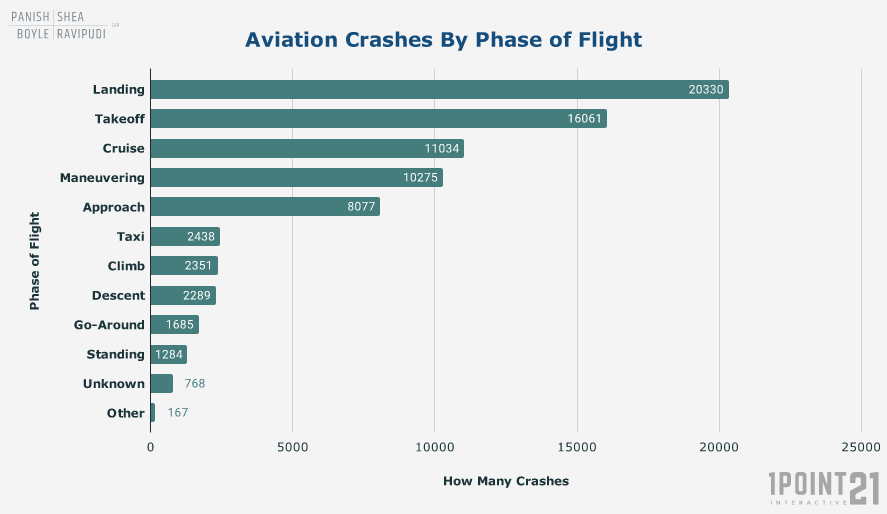 How many flights have crashed this year | Insiderpuj.com
A simple tip: avoid airlines on the EU’s air safety blacklist, which bans carriers that don’t meet European safety standards. This list, updated regularly, includes airlines from countries like Nepal, Indonesia, and Venezuela that have had multiple crashes or safety lapses. For example, Lion Air from Indonesia gained notoriety after the 2018 Boeing 737 MAX crash, but its safety record has since seen improvements. Similarly, Air India has a mixed history, with several notable incidents, though it’s now under new management. The key is not to panic—just to be informed. After all, your chance of dying in a car crash is 1 in 107, versus 1 in 11 million for a plane crash. So, while it’s fun to geek out on crash stats, the real benefit is worrying less by knowing more.
In the end, the airline with the most crashes is a story of context, history, and improvement. Aeroflot may top the list, but its modern fleet is far safer. Qantas shines, but even it has had non-fatal incidents. The most practical takeaway? Don’t overthink the “most crashes” list—focus on choosing airlines with transparent safety reports, modern planes, and strong regulatory oversight. Book your ticket, buckle up, and enjoy the journey. The data shows you’re in good hands, and that’s something worth smiling about as you sip your inflight coffee.
