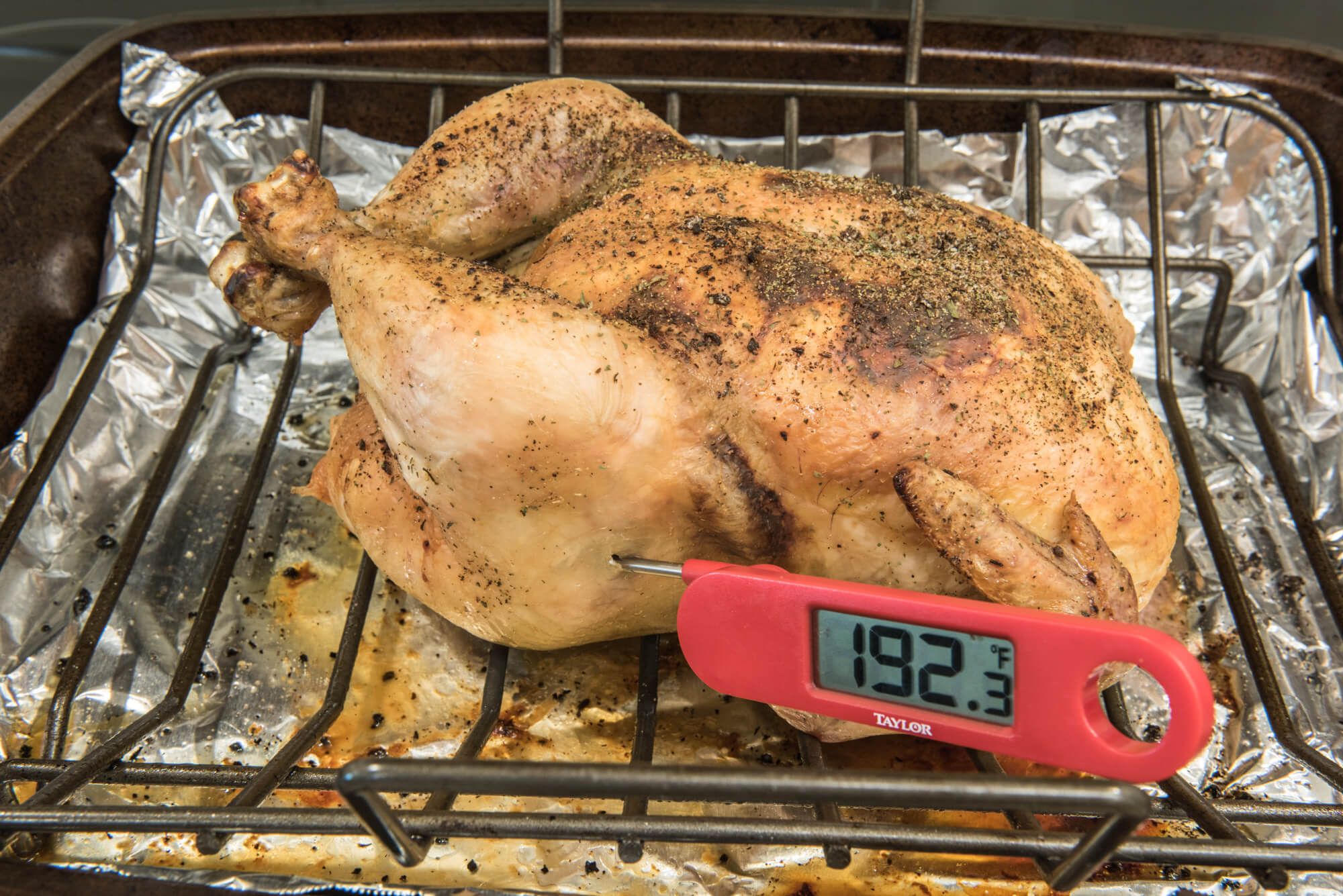
Where To Place The Thermometer In A Chicken

There’s something deeply satisfying about pulling a perfectly roasted chicken from the oven—golden skin, juicy meat, and that incredible aroma filling the kitchen. But if you’...

There’s something deeply satisfying about pulling a perfectly roasted chicken from the oven—golden skin, juicy meat, and that incredible aroma filling the kitchen. But if you’ve ever carved into a bird only to find pink near the bone or, worse, dry-as-dust breast meat, you know the heartbreak. That’s where the humble thermometer becomes your best friend. Figuring out exactly where to place the thermometer in a chicken is a small skill with big rewards: it takes the guesswork out of cooking, keeps your family safe from foodborne illness, and ensures every meal feels like a win. Whether you’re a novice cook or a seasoned home chef, mastering this one trick makes you look like a pro and saves you from the dreaded “is-it-done-yet?” panic.
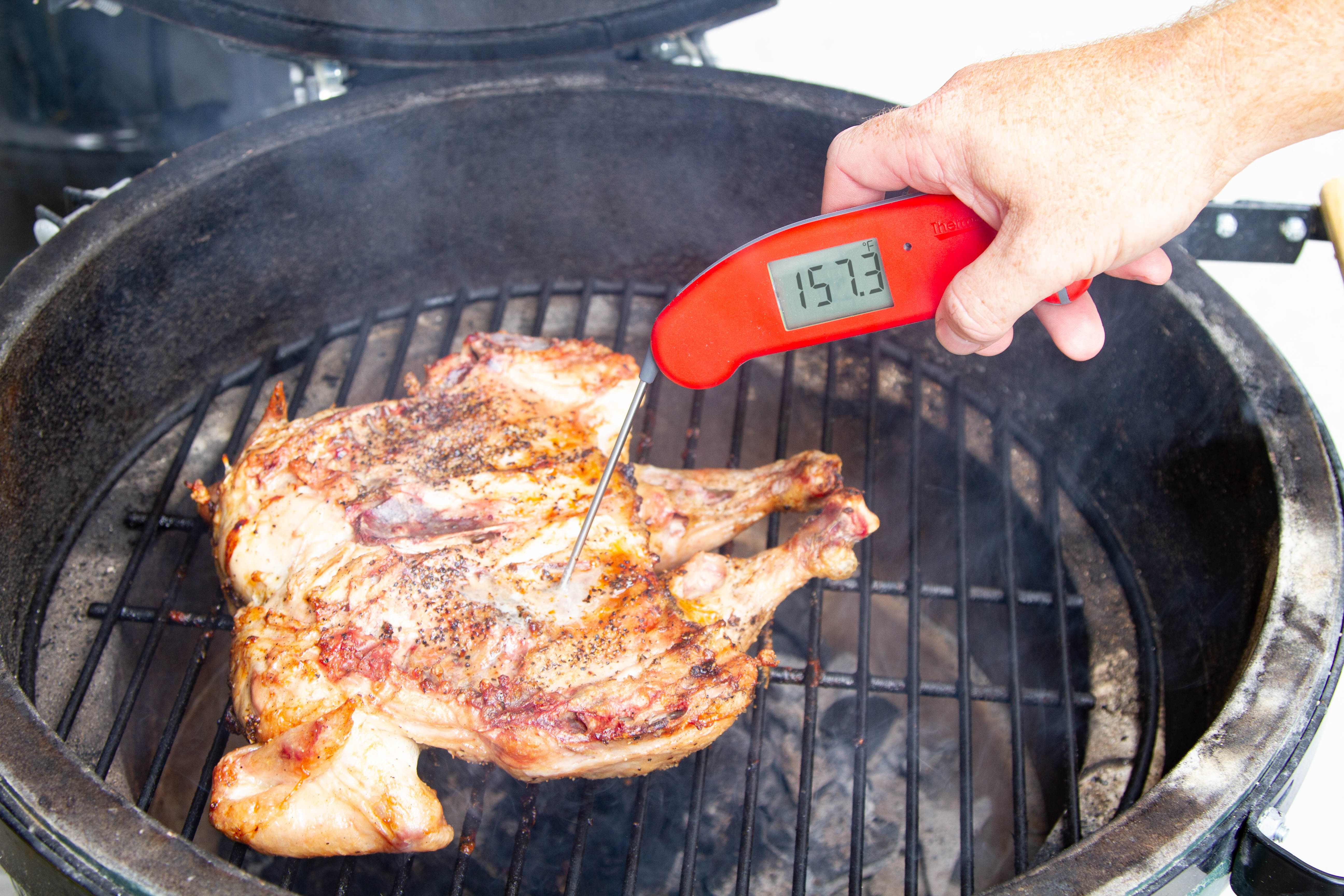
The main purpose of the thermometer placement is simple: you want to read the internal temperature of the thickest part of the chicken, without touching bone or the cavity. Why avoid bone? Because bone conducts heat differently and can give you a falsely high reading, tricking you into thinking the bird is done when it’s not. The safest and most accurate spot is the innermost part of the thigh, near the joint where the leg meets the body. That area cooks slower than the breast, so if it’s at a safe 165°F (74°C), the rest of the chicken is ready too. This method works for a whole roast chicken, a spatchcocked bird, or even individual legs and thighs.
Think about the common variations you might encounter. For a whole chicken, you’ll insert the thermometer from the side of the thigh, angling it toward the bone but not touching it. For a breast-heavy bird (like a butterflied one), you’ll also check the thickest part of the breast—but remember, the breast cooks faster, so the thigh is still your final judge. And if you’re grilling thighs or legs separately, aim for the thickest muscle away from the bone. Some folks love to probe the wing joint too, but that’s a smaller area and less reliable. Stick with the thigh as your primary target, and you’ll never go wrong.
Must Read
Why does this matter so much for different people? If you’re a busy parent, it means you can confidently serve dinner without cutting into the bird and drying it out. For the health-conscious cook, it guarantees safety without overcooking. Even competitive barbecue enthusiasts use this trick to hit that perfect 165°F mark for smoky, tender meat. And let’s be honest—there’s a universal joy in hearing that satisfying beep of the thermometer, knowing you’ve nailed it. It turns a stressful task into a calm, almost meditative moment.
 Where To Put The Thermometer In A Whole Chicken | Detroit Chinatown
Getting started is easier than you think. First, buy a reliable instant-read thermometer (digital is best) and keep it clean. When your chicken is in the oven or on the grill, resist the urge to open the door too often—just wait until near the end of the estimated cook time. Then, insert the probe into the thickest part of the inner thigh, going in from the side, about an inch deep, and hold steady for 10–15 seconds. If it reads 165°F, you’re golden. If not, give it another 5–10 minutes and check again. Repeat in two spots if you’re nervous—consistency builds confidence.
A few actionable tips to make the most of it: always let the chicken rest for 10–15 minutes after pulling it from the heat. The temperature will rise another 5–10°F (called carryover cooking), so don’t panic if it’s a degree or two under. Also, clean your thermometer between checks with hot soapy water to avoid cross-contamination. And if you’re cooking a stuffed chicken, remember to check the center of the stuffing too—it needs to hit 165°F separately. But for most of us, the thigh rule is all you need to remember.