Where To Place A Thermometer In A Chicken

Chicken Thermometer: The Goldilocks Zone Alright, folks, let's talk turkey... I mean, chicken! We've all been there, standing in the kitchen, eyes squinted, trying to deciphe...
Chicken Thermometer: The Goldilocks Zone
Alright, folks, let's talk turkey... I mean, chicken! We've all been there, standing in the kitchen, eyes squinted, trying to decipher if that chicken is 'done' or not. It's like playing a high-stakes game of chicken (pun intended), and nobody wants to end up with a side of food poisoning. That's where our trusty thermometer comes in, and today, we're going to chat about where to place it in our feathered friend to get the most accurate reading.
Why Should You Care?
You might be thinking, "I've been cooking chicken for years, I know when it's done!" And to that, I say, "Bravo, you're a kitchen rockstar!" But even the most seasoned chefs can benefit from a little extra insurance. Cooking chicken to a safe temperature isn't just about avoiding that dreaded 'undercooked' label from your dinner guests; it's about keeping your loved ones safe from harmful bacteria like salmonella.
Think of it like going to the doctor for a check-up. You might feel fine, but a quick once-over can catch any hidden issues before they become big problems. That's what a thermometer does for your chicken - it gives you a quick, accurate read on whether it's safe to eat or not.
Must Read
So, Where Does the Thermometer Go?
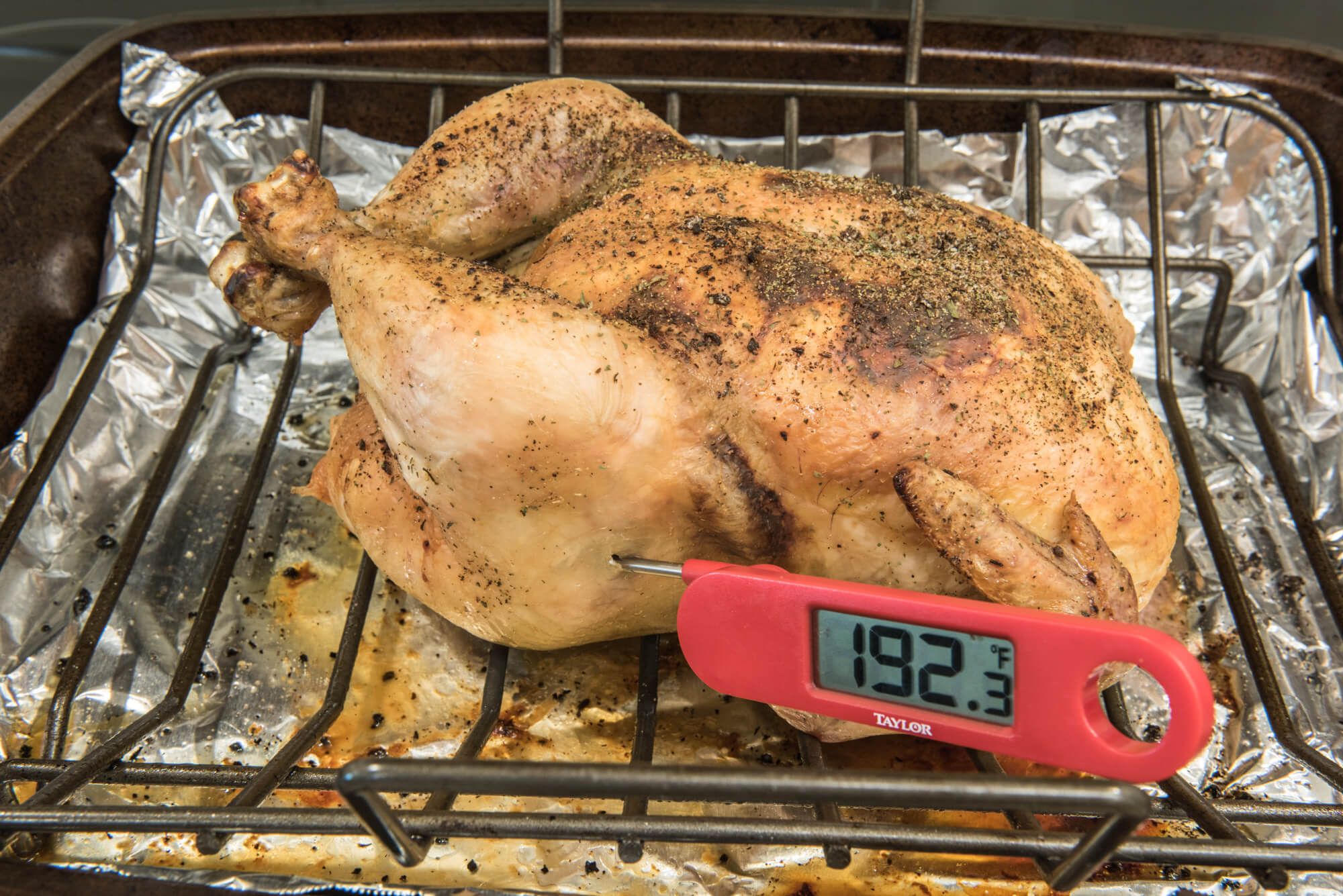
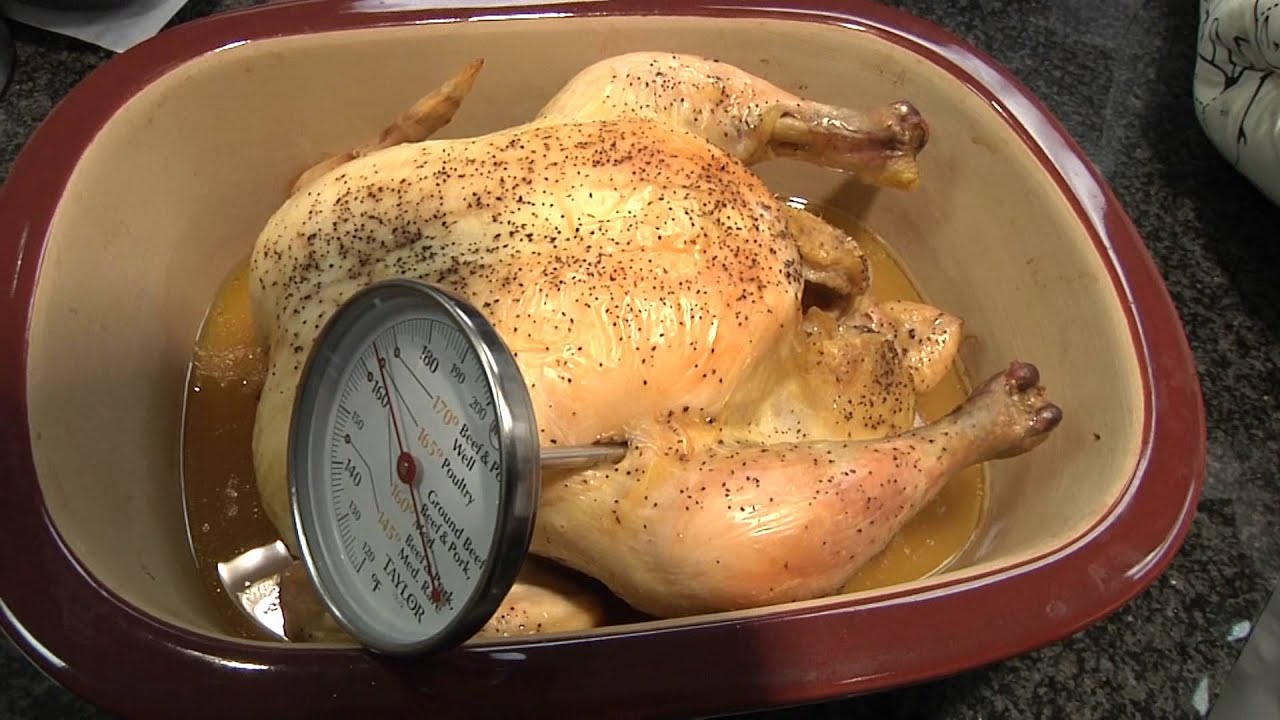
Now that we've established why we need a thermometer, let's talk about where to stick it. The USDA recommends checking the thickest part of the chicken, which is usually the breast, thigh, or the innermost part of the wing. But here's the thing - not all parts of the chicken reach the same temperature at the same time. It's like a Goldilocks situation: some parts are too hot, some are too cold, and one is just right.
The breast is the leanest part of the chicken, which means it cooks the fastest. Stick your thermometer in there, and you might find it's already reached a safe temperature while other parts are still cooking. On the other hand, the thighs and drumsticks have more fat and connective tissue, which makes them take longer to cook. If you check the temperature there, you might end up with undercooked chicken in other parts.
The sweet spot? The innermost part of the thigh, where the meat is thickest and most uniform. This is the Goldilocks zone of your chicken - it's not too fast, not too slow, it's just right. Stick your thermometer in there, and you'll get a reading that's closest to the overall temperature of the chicken.
 Where To Put Thermometer In Whole Chicken - lema
But Wait, There's More!
Now, you might be thinking, "I've been cooking chicken all wrong! I've been poisoning my family!" Take a deep breath, grab a thermometer, and let's move forward. The USDA recommends cooking chicken to an internal temperature of 165°F (74°C). That's the sweet spot where bacteria are killed, and your chicken is safe to eat.
But here's a little secret - if you're cooking a whole chicken, you can take it off the heat when the breast reaches 160°F (71°C). The residual heat will continue to cook the chicken to a safe temperature. This helps keep your chicken from drying out, and it's a great trick to have in your culinary toolbox.
The Takeaway
So, there you have it, folks. The next time you're cooking chicken, remember the Goldilocks zone - the innermost part of the thigh. Stick your thermometer in there, wait for that magical 165°F (74°C) reading, and you'll be serving up safe, delicious chicken every time.
And remember, using a thermometer isn't just about cooking the 'perfect' chicken; it's about keeping you and your loved ones safe. So, let's make a pact - no more guesswork, no more games of chicken. Let's cook with confidence and enjoy our meals with peace of mind.
